
NEWS
Data is empty
3 Different Types of Tilt Mechanisms
Ergonomic office seating has evolved far beyond basic height adjustment. Modern workplaces require chairs that support long hours of concentration, smooth movement, and healthy posture. At the heart of this comfort lies one essential component: the office chair mechanism. Whether you're leaning back to think, sitting upright to type, or swiveling to reach nearby items, your movement relies on a well-designed tilt or swivel mechanism for chair stability and balance.
Chapter 1: What Is an Office Chair Mechanism and Why Does It Matter?
1.1 What Does an Office Chair Mechanism Do?
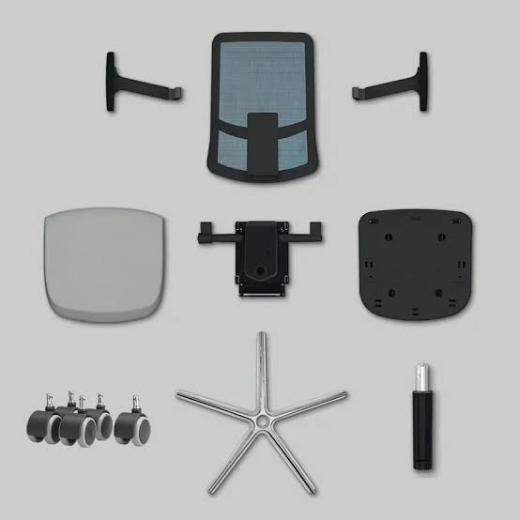
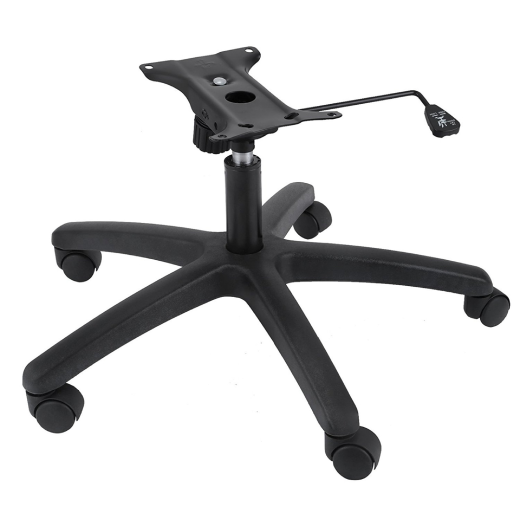
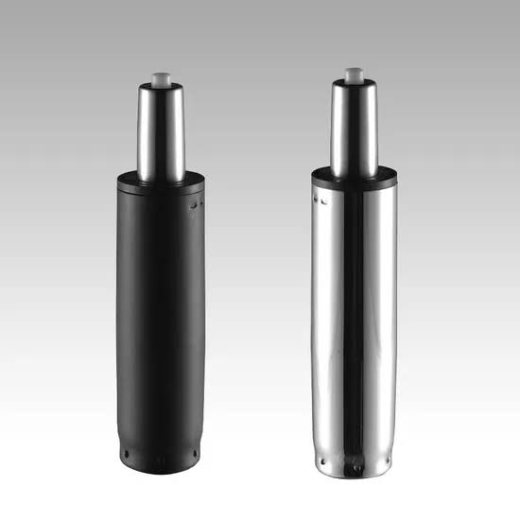
An office chair mechanism is the control system underneath the seat that manages functions such as tilting, reclining, swivel rotation, and tension adjustment. It connects the seat plate, gas lift, and backrest into a coordinated structure that responds smoothly to your movements.
A high quality mechanism allows the user to switch between active work posture, relaxed reclining, and dynamic swiveling without discomfort or instability.
1.2 How Does a Swivel Mechanism for Chair Improve Movement?
A swivel mechanism for chair enables 360-degree rotation. This is essential in modern work environments where multitasking, reaching different equipment, and shifting between screens is common. Smooth swivel movement reduces strain on the lower back and hips by preventing repetitive twisting.
When combined with a tilt mechanism, the swivel function helps distribute pressure evenly and allows the user to move freely without leaving the ergonomic zone of the workstation.
1.3 What Role Does the Chair Tilt Lock Mechanism Play?
The chair tilt lock mechanism provides the ability to lock the chair in various angles, from upright to reclined positions. This is especially helpful for:
Maintaining focus during precise tasks
Supporting the back during reading or resting
Keeping the seat stable when typing at high speed
Creating ergonomic variety throughout the day
A reliable tilt lock mechanism enhances comfort and safety by keeping the seat angle under your control.

Chapter 2: What Are the 3 Different Types of Tilt Mechanisms?
2.1 Type 1: Simple Tilt Mechanism — What Is It and Who Needs It?
A simple tilt mechanism tilts the seat and backrest as a single unit around a central pivot point. When you lean back, the front of the seat rises.
Advantages
Cost effective
Easy to operate
Suitable for short-term or occasional use
Limitations
Causes more pressure under the thighs
Less ergonomic support
Not ideal for long sitting hours
This mechanism works best for reception chairs, visitor chairs, and economical task chairs.
2.2 Type 2: Knee Tilt Mechanism — How Does It Support Executive Seating?
A knee tilt mechanism moves the pivot point closer to the front of the seat, near the knees. This design allows smoother reclining while keeping the feet closer to the floor.
Advantages
More natural recline
Less thigh pressure
Suitable for executive offices
Provides a more premium feel
Limitations
More expensive than simple tilt
Still doesn't synchronize the movement of the seat and back independently
Knee tilt mechanisms are widely used in mid- to high end office chairs.
2.3 Type 3: Synchro Tilt Mechanism — Why Is It the Most Ergonomic?
A synchro tilt mechanism reclines the backrest and seat at different angles, following a synchronized ratio (often 2:1). This allows the backrest to recline more deeply while the seat remains relatively stable.
Advantages
Best ergonomic support
Improves posture by opening the hip angle
Reduces thigh pressure
Encourages natural movement and micro-adjustments
Keeps feet flatter on the floor
Limitations
Higher cost due to complex engineering
This is the top choice for task chairs, ergonomic chairs, and professional home-office seating.
Chapter 3: How Should You Choose Among the 3 Tilt Mechanisms?
3.1 Which Mechanism Is Best for Long-Hour Office Work?
For users who spend most of the day seated, the synchro tilt mechanism is the clear winner. It supports dynamic movement, minimizes pressure buildup, and maintains spinal alignment.
3.2 Which Is Best for Executive Offices?
A knee tilt mechanism offers the smooth recline and premium feel that executives prefer, making it ideal for managerial seating.
3.3 Which Fits Budget-Friendly Chairs?
The simple tilt mechanism provides basic movement at an accessible price point, ideal for visitor seating, entry-level chairs, or short-duration use.
3.4 What About the Swivel Mechanism for Chair Use?
Regardless of which tilt system you choose, a high-quality swivel mechanism enhances comfort by allowing smooth 360-degree rotation. This helps reduce repetitive twisting and supports a more fluid working style.
3.5 When Is a Chair Tilt Lock Mechanism Essential?
Tilt lock is crucial when:
You alternate between upright typing and leaning back
You need stable seating for detailed tasks
You want to control your recline posture precisely
Chairs without tilt lock often feel unstable or too loose for proper ergonomics.
Chapter 4: Why Choose FSGROWING for Office Chair Mechanisms?
4.1 What Makes FSGROWING's Mechanisms Different?
FSGROWING is known for producing high-quality office chair mechanisms that focus on durability, safety, and smooth performance. Their engineering emphasizes stability, weight endurance, and precise movement control.
Their product line includes:
Advanced synchro tilt mechanisms
Heavy duty knee tilt designs
Reliable chair tilt lock mechanism systems
Smooth swivel mechanism for chair applications
Each system is designed to meet the demands of modern work environments and ergonomic standards.
4.2 Why Are FSGROWING Tilt Mechanisms Highly Trusted?
Because they offer:
Strong metal structure and long lifespan
Smooth synchronized recline
Multi position tilt lock options
Adjustable tension for customized resistance
Compatibility with various gas lift and base designs
FSGROWING mechanisms help chair manufacturers create comfortable, safe, and professional seating that enhances work performance.
4.3 Where Are FSGROWING's Mechanisms Commonly Used?
Their components are widely used in:
Ergonomic office chairs
Executive seating
Home office chairs
Task and conference chairs
Heavy duty swivel chairs
No matter the application, their mechanisms are built for consistency and durability.
FAQ
Q1: Which tilt mechanism is best for everyday office use?
The synchro tilt mechanism offers the best ergonomic support and movement for long periods of sitting.
Q2: Do all office chairs need a swivel mechanism?
Most modern chairs benefit greatly from 360-degree swivel because it reduces strain from twisting and reaching.
Q3: What is the purpose of a chair tilt lock mechanism?
It locks the seat at chosen angles, helping maintain stable posture for typing, concentrating, or relaxing.
Q4: Is a knee-tilt mechanism more comfortable than simple tilt?
Yes, because it provides a smoother recline and reduces pressure on the thighs.
Q5: Why are FSGROWING mechanisms considered reliable?
Their engineering quality, durability, smooth motion, and ergonomic design make them a strong choice for chair manufacturers.
Difference Between Frog Mechanism And Butterfly Mechanism
How Does The Tilt Mechanism Work?
Latest Blog