
NEWS
Data is empty
Why Do Premium Ergonomic Chairs Cost More? A Deep Dive into Core Components
Premium ergonomic chairs often cost several times more than entry-level models, even when their external appearance seems similar. The difference is rarely explained by upholstery or appearance alone. It usually comes from component engineering, material selection, adjustment mechanisms, manufacturing tolerances, and long-term performance.
1. What Makes Premium Ergonomic Chairs More Expensive Than Standard Office Chairs?
The main difference is how effectively a chair maintains comfort, stability, and functionality during repeated daily use.
A basic office chair may provide height adjustment and simple backrest movement. A premium ergonomic model may incorporate synchronized tilt, adjustable lumbar support, multi-directional armrests, and more precise resistance control. Each additional function introduces engineering requirements, moving interfaces, assembly steps, and quality-control considerations.
However, more features do not automatically mean better ergonomics. A chair should accommodate different body dimensions, working positions, and usage patterns without creating excessive pressure or unstable movement.
For B2B buyers, the more useful question about office chair components is whether the additional cost improves measurable performance, reduces maintenance requirements, or extends the chair's service life.
2. Which Office Chair Components Have the Greatest Impact on Cost?
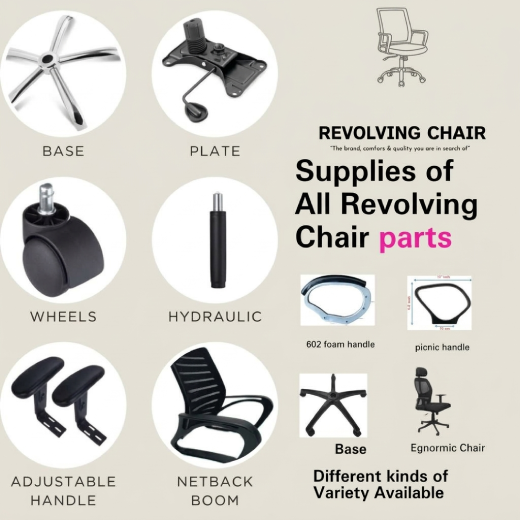
A practical chair parts list includes the seat shell, backrest, armrests, headrest, mechanism plate, gas lift cylinder, chair base, casters, and associated hardware. These office chair components perform different functions, and their quality affects both individual performance and the reliability of the complete chair.
2.1 How Does the Tilt Mechanism Affect Price and Ergonomic Performance?
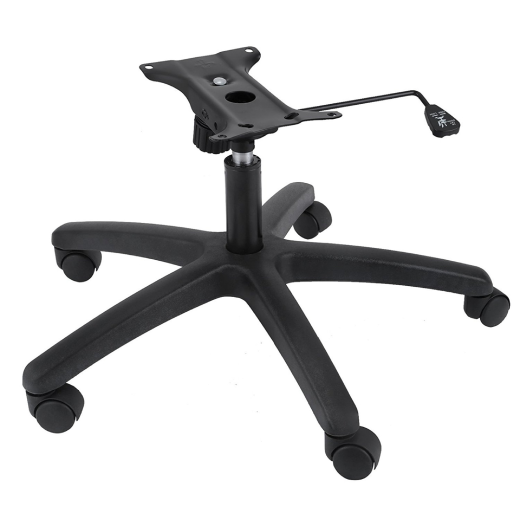
The mechanism plate is one of the most important functional components in an ergonomic chair. Depending on its design, it may control reclining, tilt resistance, locking positions, and synchronized seat-and-backrest movement.
A basic mechanism typically offers fewer adjustment options. More sophisticated designs require additional moving parts, more demanding dimensional tolerances, and reliable control of movement under different user loads.
The critical issue is not the number of functions alone. Buyers should evaluate whether the mechanism moves smoothly, locks securely, maintains consistent resistance, and withstands repeated operating cycles.
Poorly controlled clearances can cause looseness, noise, or inconsistent reclining. These problems may become more noticeable after extended use, even if the chair initially feels satisfactory.
2.2 Why Does a Premium Gas Lift Cylinder Cost More?
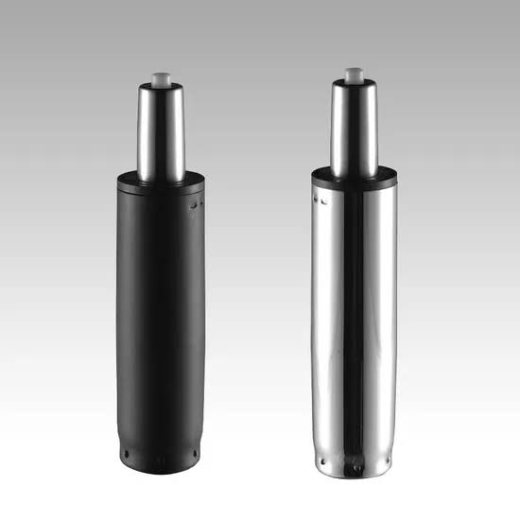
The gas lift cylinder controls seat-height adjustment and connects the upper chair assembly to the base. Its specifications influence the available height range, adjustment behavior, and compatibility with other components.
When comparing gas lifts, buyers should examine stroke length, extended and compressed dimensions, mounting interfaces, load requirements, and relevant durability or safety test documentation.
A cylinder that gradually sinks, develops excessive play, or fails to maintain consistent adjustment can generate replacement costs and warranty claims. Conversely, selecting a premium-priced cylinder without confirming the chair's actual requirements may add unnecessary expense.
The best purchasing decision is based on verified performance and application compatibility rather than price or appearance alone.
2.3 How Do Chair Bases and Casters Influence Durability?
The chair base transfers loads from the gas lift to the floor through its supporting arms and casters. Its material, geometry, construction, and connection interfaces affect stability and structural performance.
Metal bases may offer a premium finish and suitable structural properties, while reinforced engineering plastics can provide weight and cost advantages when properly designed for the application. Neither material is automatically superior in every chair configuration.
Casters also deserve careful evaluation. Wheel material, diameter, bearing design, floor compatibility, and rolling resistance influence mobility, noise, and surface protection.
A caster designed for carpet may not perform equally well on polished wood or hard commercial flooring. For large office furniture orders, these seemingly minor differences can influence user satisfaction and maintenance costs across hundreds or thousands of chairs.
3. Why Do Seat Shells, Backrests, and Armrests Matter More Than Their Appearance?
Visible components strongly influence a buyer's first impression, but their engineering determines how well they perform over time.
3.1 How Does Seat Shell Design Affect Comfort and Structural Reliability?
The seat shell provides the foundation for the cushion or upholstered seat. Its geometry, stiffness, mounting points, and dimensional consistency influence pressure distribution, assembly accuracy, and the interaction between the seat and mechanism.
A well-designed seat should support the intended cushion structure without excessive deformation. Poorly controlled dimensions can also create gaps, misalignment, or assembly difficulties when the seat shell is connected to the mechanism plate.
Backrests require a similar balance between support and flexibility. Their frame construction, shape, and connection points influence how the chair supports the user's torso during different sitting positions.
3.2 Are Adjustable Armrests and Headrests Worth the Extra Cost?
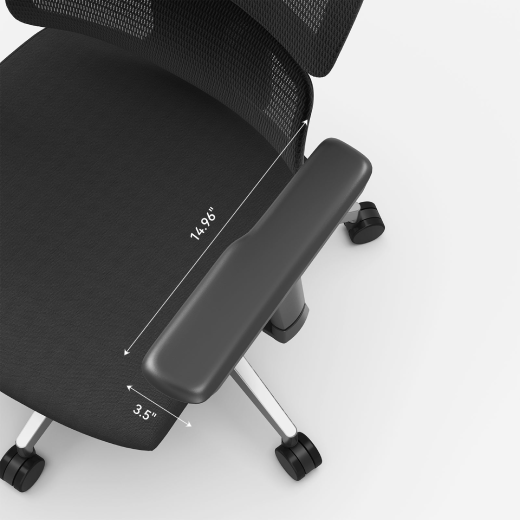
Adjustable armrests can support different desk heights and user dimensions through vertical, lateral, forward-backward, or angular adjustment. However, every additional adjustment function introduces more joints, locking points, and potential wear locations.
A premium armrest should therefore be evaluated for adjustment range, stability, locking reliability, pad durability, and resistance to unwanted movement.
Headrests serve a more specific purpose. They can provide additional head and neck support when the user reclines, but their usefulness depends on adjustability and alignment with the user's body.
For commercial buyers, the priority should be functional suitability rather than maximizing the number of adjustable features.
4. How Do Manufacturing Quality and Component Compatibility Increase Chair Costs?
Two chairs can use similarly named office chair components but deliver very different results because material grades, dimensional tolerances, production consistency, and assembly quality are not necessarily equivalent.
A mechanism may fit beneath a seat but produce an unsuitable reclining angle. A gas lift may connect to the base but provide an inappropriate height range. Casters may fit their mounting sockets yet perform poorly on the intended floor.
These office chair components issues demonstrate why premium chair development requires system-level engineering rather than simply purchasing expensive individual parts.
Manufacturing consistency is equally important for office chair components. Variations between production batches can cause assembly difficulties, inconsistent finishes, increased rejection rates, and customer complaints.
FSGROWING illustrates the component-focused approach used in office furniture manufacturing. Its specialized workshops work together to produce different office chair components, including casters, chair bases, gas lift cylinders, mechanism plates, seat shells, backrests, headrests, armrests, and more. This range provides a useful reference for B2B buyers evaluating how different component categories contribute to a complete chair design.
When reviewing a office chair supplier, buyers should ask about dimensional inspection, material specifications, sample approval, batch consistency, and applicable performance testing. These details provide stronger evidence of manufacturing capability than a product catalog alone.
5. How Can B2B Buyers Decide Whether Premium Chair Components Justify the Cost?
The correct approach is to compare total ownership cost rather than purchase price alone.
For example, a chair component that costs slightly more but reduces replacement frequency may offer better value in high-use environments. However, the saving should be supported by credible durability data, warranty experience, or documented performance testing rather than assumptions.
Before approving a office chair components specification, procurement teams should:
- Compare material grades, dimensions, and functional specifications.
- Request samples and verify compatibility with the complete chair assembly.
- Review relevant durability, stability, and load-test documentation.
- Evaluate expected maintenance, replacement, and warranty costs.
- Confirm production capacity and quality consistency for repeat orders.
- Assess whether additional ergonomic features address actual customer requirements.
This process also helps buyers distinguish between genuine engineering improvements and cosmetic upgrades that contribute little to long-term performance.
6. Frequently Asked Questions About Premium Ergonomic Chair Components
Why Can Two Ergonomic Chairs With Similar Features Have Very Different Prices?
Their mechanisms, gas lifts, structural materials, adjustment systems, production tolerances, and quality-control requirements may differ substantially. Similar feature lists do not establish equivalent durability or performance. Buyers should compare technical specifications of office chair components and test evidence before making purchasing decisions.
Which Chair Parts Are Most Likely to Cause Problems After Extended Use?
Potential failure points include gas lift cylinders, tilt mechanisms, casters, armrest adjustment joints, and structural connections. Actual failure rates depend on component design, material quality, usage intensity, maintenance, and assembly accuracy. Reviewing failure data from comparable applications is more useful than assuming one component always fails first.
Can Manufacturers Reduce Costs Without Sacrificing Ergonomic Quality?
Yes. Manufacturers can standardize compatible components across multiple chair models, reduce unnecessary adjustment functions, optimize material use, and improve assembly consistency. The objective is to remove avoidable complexity while preserving the functions and durability required by the target market.
What Should Buyers Include in a Chair Parts List for OEM Projects?
A useful specification should identify each component's name, drawing or reference number, material, dimensions, mounting interface, functional requirements, finish, testing criteria, and approved supplier. Where relevant, it should also define sample approval procedures and acceptable production tolerances. A detailed specification reduces ambiguity during quotation, sampling, and mass production.
7. Is a Premium Ergonomic Chair Worth the Investment?
Premium ergonomic chairs cost more when their additional price reflects better component engineering, more reliable adjustment mechanisms, suitable materials, tighter manufacturing control, and verified durability. However, a higher price alone does not guarantee superior performance.
What Makes an Office Chair Armrest Truly Ergonomic?
Latest Blog