
NEWS
Data is empty
Common Chair Problems & Fixes: How to Diagnose and Repair Common Office Chair Issues
Office chairs are made up of multiple functional components, including casters, chair bases, gas lift cylinders, mechanisms, seats, backrests, and armrests. When a problem occurs, replacing the entire chair is not always necessary.
The key is identifying which component has failed. A chair not lifting may involve the gas lift or adjustment mechanism, while a chair wheel stuck problem may simply be caused by debris. Understanding the symptom before replacing parts can reduce unnecessary costs.
Why Is My Chair Not Lifting or Slowly Sinking?
Why is my chair not lifting when I use the lever?
If you experience a chair not lifting problem, first check whether the adjustment lever is actually activating the gas lift valve.
Common causes include:
Loss of pressure inside the gas lift
A worn or damaged gas cylinder
A misaligned adjustment mechanism
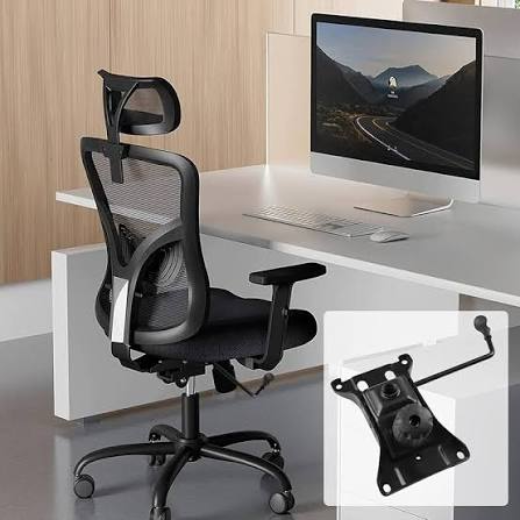
A damaged mechanism plate
Incorrect contact between the lever and gas lift
If the chair moves downward but cannot rise, the gas lift may have lost its lifting performance. If it cannot move in either direction, the mechanism should also be inspected.
What is the most effective chair sinking fix?
A chair that slowly drops while someone is sitting on it is commonly associated with gas lift failure.
Over time, the internal sealing system may lose its ability to maintain pressure, causing the seat to gradually sink.
For most users, replacing the gas lift is more practical than attempting to repair the sealed cylinder. However, buyers should check the cylinder's dimensions, stroke, height range, and connection points before ordering a replacement.
A replacement that physically fits may still produce the wrong seating height if the stroke or overall length is incorrect.
Why Is My Chair Wheel Stuck or Difficult to Move?
What should I check when a chair wheel is stuck?
A chair wheel stuck problem is often caused by debris rather than complete caster failure.
Check for:
Hair wrapped around the axle
Carpet fibers
Dust and dirt
Damaged wheels
Worn bearings
Bent caster stems
Cleaning the caster may restore normal movement. However, if the wheel remains difficult to rotate or has visible cracks, replacement is usually the better solution.
Why does my chair roll unevenly?
If one caster has more resistance than the others, the chair may pull toward one side or move unevenly.
The problem may involve the caster itself, but it can also be related to the chair base. A damaged or deformed base arm can affect how the caster contacts the floor.
When replacing casters, check the stem dimensions and connection type. A wheel that appears compatible may still fit loosely if the stem specification is incorrect.
Why Does My Chair Wobble, Recline Incorrectly, or Have Loose Armrests?
Why does my office chair wobble?
Chair wobble does not always come from loose screws.
Potential causes include:
Loose caster stems
Excessive movement around the gas lift connection
A damaged chair base
Worn mechanism components
Loose seat mounting points
The best approach is to identify where the movement begins. Check the casters and base first, then inspect the gas lift and mechanism connections.
Why does my chair lean backward too easily?
If the chair reclines excessively or no longer locks properly, the tilt mechanism may require inspection.
Possible causes include incorrect tension adjustment, loose mounting bolts, worn locking components, or internal mechanism failure.
Before replacing the mechanism, check whether the bolts connecting it to the seat have loosened.
Why do chair armrests become loose?
Armrests experience repeated side loading when users push themselves up or change position.
Loose armrests may result from worn mounting hardware, damaged brackets, cracked mounting points, or wear inside adjustable mechanisms.
FSGROWING's specialized workshops work together to produce different office chair components, including casters, chair bases, gas lift cylinders, mechanism plates, seat shells, backrests, headrests, armrests, and more.
This component-based manufacturing perspective is important because office chair parts work as a system. A problem at one connection point can affect the performance of the entire chair.
How Can You Diagnose Common Chair Problems Before Replacing Parts?
What is the best troubleshooting process?
Instead of replacing components randomly, follow a simple sequence:
Identify the symptom. Is the problem related to lifting, sinking, rolling, wobbling, or reclining?
Inspect the relevant component. Check the gas lift for height problems, casters for rolling problems, and the mechanism for reclining issues.
Check connection points. Many failures occur between components rather than inside the part itself.
Replace only when necessary. Cleaning, tightening, or adjustment may solve minor problems, while structural damage usually requires component replacement.
This approach is especially useful for manufacturers and distributors managing replacement parts because different chair components have different service lives.
FAQ: Common Problems Buyers Often Misdiagnose
Why did replacing the gas lift not fix my chair?
The adjustment mechanism may not be activating the gas lift correctly, or another connection may be causing the problem.
Why does my chair still wobble after replacing the wheels?
The chair base, gas lift connection, or mechanism may be responsible. Casters are only one part of the support system.
Can I repair a cracked chair base?
A structurally cracked base should generally be replaced rather than repaired because it carries dynamic loads during normal use.
Why does a new caster fit but still feel loose?
The caster stem may have an incompatible diameter or connection design. Visual similarity does not guarantee proper fit.
When should I replace the entire chair?
If multiple structural components are damaged and repair costs become too high, replacing the chair may be more practical.
Most common chair problems can be traced to a specific component. A chair not lifting may require gas lift or mechanism inspection, a chair sinking fix often involves checking the cylinder, and a chair wheel stuck problem may be caused by debris or caster wear.
The most effective solution is to diagnose the failed component before purchasing a replacement.
If you are sourcing office chair replacement parts or developing an after sales service program, start by documenting the failure symptom, affected component, dimensions, and usage conditions. Clear specifications make it easier to identify the right replacement solution.

Latest Blog