
NEWS
Data is empty
Chair Parts Cost Optimization Strategies: How to Reduce it
A sustainable chair parts cost optimization strategy focuses on reducing unnecessary expenses without compromising product performance. By reviewing the bill of materials (BOM), standardizing components, improving manufacturing processes, and optimizing supplier relationships, businesses can reduce chair cost while maintaining consistent quality across large production volumes.
1. How Can BOM Optimization Help Reduce Chair Cost?
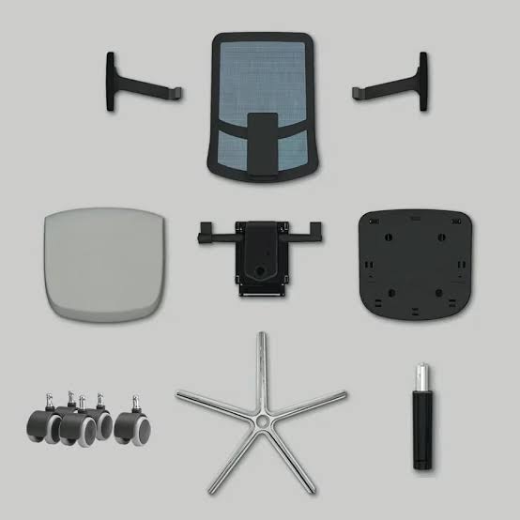
The bill of materials identifies every component required to manufacture a chair, including casters, chair bases, gas lift cylinders, mechanism plates, armrests, seat shells, and backrests. Reviewing the BOM helps manufacturers identify duplicated components, unnecessary specifications, and opportunities for chair parts cost saving.
Which chair components offer the best cost-saving opportunities?
Start by comparing component prices, specifications, quantities, and assembly requirements. Some manufacturers use different casters, fasteners, or gas lifts across several models even when standardized alternatives could meet the same functional requirements.
Consolidating compatible components can increase purchasing volume, simplify inventory, and reduce procurement complexity. These measures help reduce chair cost without requiring a complete redesign.
However, load-bearing components and safety-critical parts should not be downgraded simply to achieve lower prices. The goal is to eliminate unnecessary cost while preserving essential performance requirements.
2. Are Low Cost Chair Parts Worth Buying for Bulk Production?
Low cost chair parts can improve margins, particularly for high-volume office furniture programs. However, a lower purchase price does not automatically translate into lower total manufacturing costs.
For example, an inexpensive gas lift cylinder with inconsistent dimensions may increase assembly time. Poorly molded armrests may generate more rejected units, while low-quality casters can increase replacement and warranty expenses.
How can buyers evaluate low-cost chair parts suppliers?
Compare suppliers using equivalent technical specifications, including materials, dimensions, tolerances, load requirements, surface finishes, and inspection standards.
| Cost factor | Low-price purchasing approach | Better cost optimization strategy |
| Component price | Select the cheapest quotation | Compare equivalent specifications and total cost |
| Material selection | Choose cheaper materials automatically | Match materials to actual performance requirements |
| Quality control | Reduce inspection to save money | Use risk-based inspection and process verification |
| Supplier management | Change suppliers for minor price differences | Evaluate quality, delivery, and corrective-action capability |
| Inventory | Buy excessive quantities for discounts | Balance order volume against carrying costs |
| Product design | Reduce material thickness indiscriminately | Optimize geometry through engineering validation |
Effective chair parts cost saving depends on the cost per accepted component, not simply the quoted unit price. Buyers should also calculate freight, inspection, rework, replacement, and warranty expenses before approving low cost chair parts for mass production.
3. How Can Component Standardization Reduce Chair Cost?
Component standardization is one of the most practical ways to reduce chair cost across multiple product lines.
When several chair models share compatible casters, fasteners, gas lifts, or mounting interfaces, manufacturers can consolidate orders and reduce the number of unique stock-keeping units. This simplifies purchasing, production planning, and spare-parts management.
Should manufacturers use the same chair parts across every model?
Not necessarily. A budget task chair and a premium ergonomic chair may require different adjustment mechanisms, armrests, or support structures. Standardization should focus on components that can meet the requirements of multiple models without compromising functionality.
A common component platform can provide meaningful chair parts cost saving while preserving product differentiation. Before standardizing a component, confirm its dimensions, compatibility, durability, and applicable testing requirements.
The objective is to reduce unnecessary part variations rather than force every product to use identical specifications.
4. How Does Design for Manufacturing Help Reduce Chair Cost?
Design for Manufacturing and Assembly (DFMA) examines how product design influences production complexity, labor requirements, and manufacturing consistency.
A low cost chair part may still create expensive assembly operations if workers must repeatedly adjust its position or use multiple fasteners. Improving component geometry and assembly access can therefore reduce chair cost without lowering material quality.
Which design changes create measurable chair parts cost saving?
Manufacturers can review several opportunities:
- Reduce unnecessary fasteners and simplify assembly sequences.
- Improve locating features to make components easier to align.
- Replace avoidable custom parts with suitable standardized components.
- Optimize plastic wall thickness and reinforcement ribs through engineering analysis.
- Simplify metal stamping, machining, and surface-finishing operations.
- Improve packaging design to reduce transport damage and shipping volume.
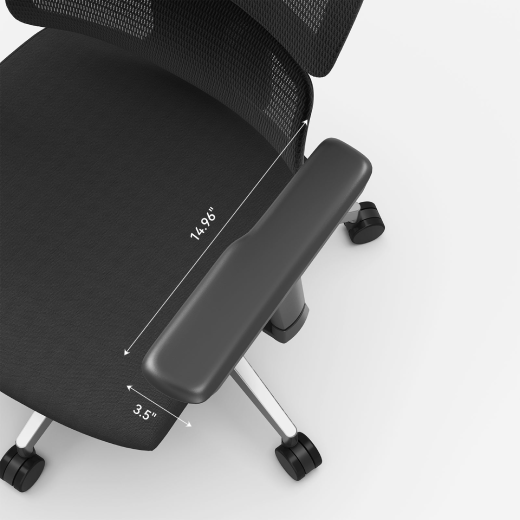
For molded seat shells and armrests, material distribution and mold design influence both resin consumption and defect rates. For metal mechanism plates, sheet thickness, stamping complexity, and finishing requirements affect production costs.
Every proposed change must be validated against structural strength, durability, and applicable safety requirements. Engineering-led optimization is more sustainable than indiscriminate material reduction.
5. How Can Supplier Coordination Improve Chair Parts Cost Saving?
Fragmented sourcing can create hidden expenses when casters, chair bases, gas lifts, and mechanism plates come from suppliers with inconsistent specifications. Compatibility problems can lead to assembly delays, additional inspections, and production interruptions.
Coordinated sourcing can simplify technical communication and improve component consistency. It may also help buyers identify opportunities to consolidate compatible parts and reduce chair cost across a complete product range.
FSGROWING's specialized workshops work together to produce different office chair components, including casters, chair bases, gas lift cylinders, mechanism plates, seat shells, backrests, headrests, armrests, and more. This range is relevant to manufacturers evaluating component compatibility and sourcing coordination across office chair assemblies.
Should buyers prioritize low cost chair parts or supplier reliability?
The decision should consider both purchase price and operational risk. A supplier offering low cost chair parts may provide attractive savings, but inconsistent delivery or quality can disrupt production schedules.
Compare minimum order quantities, lead times, defect rates, technical support, and replacement policies. For critical components, maintaining an approved alternative supplier can reduce dependency and improve supply continuity.
6. How Can Inventory and Logistics Reduce Chair Cost?
Bulk purchasing can lower unit prices, but excessive inventory ties up working capital and increases storage expenses. Buyers seeking chair parts cost saving should consider demand forecasts, minimum order quantities, lead times, and the possibility of future product changes.
Packaging is another important factor. Bulky plastic components may consume valuable container space, while metal components may require protective packaging to prevent scratches or corrosion.
A practical cost model should include purchase price, tooling allocation, freight, duties, inspection, rework, inventory carrying costs, and expected warranty expenses.
This broader calculation helps manufacturers distinguish genuine savings from costs merely transferred to another stage of the supply chain.
7. FAQ: How Can Manufacturers Reduce Chair Cost Without Sacrificing Quality?
What is the most effective way to reduce chair cost?
Begin with a BOM review, identify duplicated components, and analyze high-cost or high-defect items. Standardization, design simplification, and better supplier coordination can reduce chair cost without compromising essential specifications.
How can buyers achieve chair parts cost saving in bulk procurement?
Consolidate compatible component requirements, negotiate based on realistic annual demand, and compare total delivered costs. Larger orders should only be placed when demand forecasts, storage capacity, and cash flow justify the inventory commitment.
Are low cost chair parts suitable for premium office chairs?
They can be, provided they meet the required material, durability, appearance, and performance specifications. Low purchase price alone does not determine suitability; testing and quality consistency remain essential.
Which chair parts should never be downgraded just to save money?
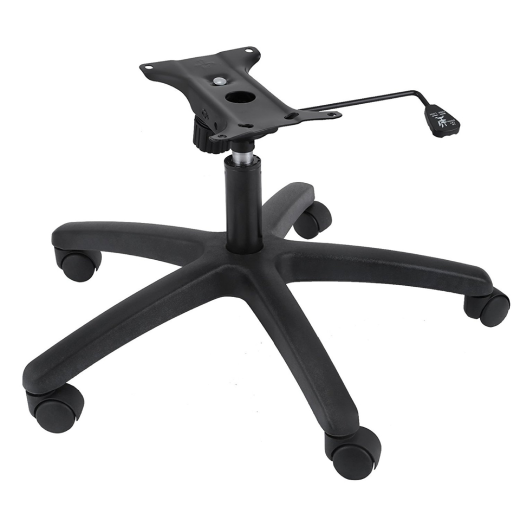
Gas lift cylinders, chair bases, and mechanism plates require particular attention because they contribute to structural support and chair function. Any material or specification change should undergo appropriate engineering evaluation and testing.
How can small manufacturers achieve chair parts cost saving with limited purchasing power?
Start by reducing unnecessary component variations, improving technical drawings, simplifying assembly, and selecting standard components where appropriate. These changes can reduce chair cost without requiring large inventory commitments.
Review your current BOM, identify duplicated components, and compare supplier quotations against consistent technical specifications. When evaluating low cost chair parts for a new product range, FSGROWING's office chair component range can provide a starting point for discussing sourcing requirements and potential opportunities to reduce chair cost.
Latest Blog