
NEWS
Are Chair Gas Lifts Universal?
Office chairs are built for comfort, ergonomics, and adjustability—and at the heart of that adjustability is the gas lift. This hidden component allows a smooth rise and fall of your chair with a simple lever press. But when the cylinder starts to sink or fails, users often ask the same question: “Are chair gas lifts universal?”
The short answer: not completely. While many office chair gas lifters follow similar dimensions, they are not all identical.
Chapter 1: Understanding the Office Chair Gas Lifter System
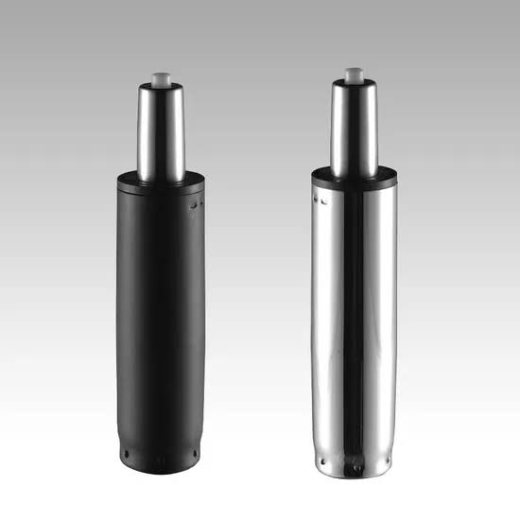
Before diving into compatibility, it's important to understand what a gas lift actually does. A gas lift, also known as a pneumatic cylinder or gas spring, is the vertical column located between the base and the seat of your chair. Inside, compressed nitrogen gas and lubricating oil create pressure that allows the seat height to adjust smoothly when you press the handle.
Each gas lifter performs three key functions:
Height adjustment: It enables you to raise or lower the seat to align with your desk height.
Shock absorption: The pressurized gas softens impact when you sit down.
Weight support: It bears the user's body weight while maintaining stability.
Most office chair gas lifts look similar on the outside, which explains why many people assume they are universal. However, the internal design, pressure rating, and exact dimensions differ from model to model, which directly affects compatibility.
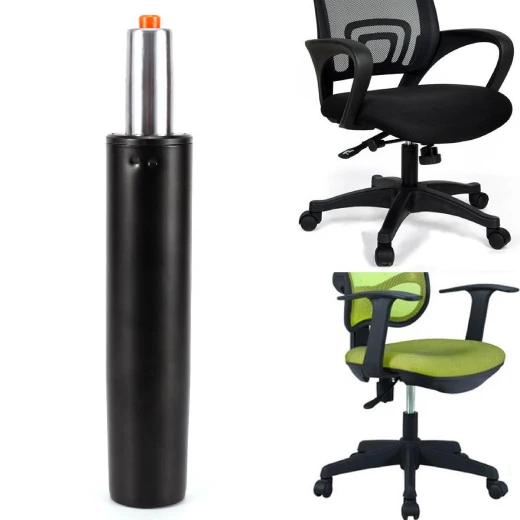
Chapter 2: Are Chair Gas Lifts Universal? Exploring the Truth
At first glance, gas lifts appear interchangeable. Many replacement cylinders are marketed as “universal,” but this description can be misleading. The reality is more nuanced.
1. Common Standards Exist — But Not for All Chairs
Most standard office chairs, especially mid-range models, use cylinders with outer diameters of around 50 mm and inner piston diameters near 28 mm. These have become de facto industry standards. As a result, many “universal” replacements fit the majority of chairs sold in offices, schools, or home setups.
However, not all chairs follow this pattern. Premium ergonomic brands, gaming chairs, or imported designs often use proprietary mechanisms, making it difficult to find a perfect replacement. Even a small deviation in diameter, stroke length, or taper angle can cause instability or height mismatch.
2. The Myth of Total Interchangeability
Technically, the lower part of the gas lift (which fits into the chair base) uses a conical taper. The angle and depth of this taper vary slightly among manufacturers. If the taper fit is loose, the chair may wobble or fail to stay upright. If it's too tight, removal becomes nearly impossible without damaging the base.
Similarly, the upper part of the cylinder connects to the seat mechanism. Some tilt mechanisms or swivel plates require specific locking grooves or piston lengths. Therefore, a “universal” gas lift might physically fit but not perform correctly.
3. Weight Capacity and Stroke Variation
Not all office chair gas lifters are built equally strong. Light-duty cylinders support users up to around 250 pounds, while heavy-duty ones can handle 350 pounds or more. The travel distance (stroke) also differs—standard lifts allow about 4–5 inches of height adjustment, while drafting or bar stools may have 8–10 inches.
These differences highlight why are chair gas lifts universal is such a tricky question. Compatibility often depends on your chair's dimensions, design, and intended use.
Chapter 3: Choosing the Right Replacement – A Guide for Buyers and Suppliers
When it's time to replace a faulty cylinder, careful measurement and selection are critical. Whether you're an individual user or sourcing for clients through office chair gas lift suppliers, here's what you should check before buying.
1. Measure Before You Replace
Remove your existing gas lift and measure:
Outer diameter: Usually around 50 mm, but verify before purchase.
Stroke length: The travel distance between the lowest and highest positions.
Overall length: From the bottom of the base taper to the top of the piston rod.
These measurements determine whether your replacement will maintain the correct seat height and stability.
2. Match the Mechanism
Not all seat mechanisms fit every cylinder. Check if your chair uses a standard tilt, synchro-tilt, or knee-tilt mechanism. The top of the gas lift must fit securely into the receiving socket of the mechanism. This ensures proper weight distribution and smooth operation.
3. Check the Material and Rating
Class ratings (such as Class 3 or Class 4) refer to pressure and durability standards. A Class 4 gas lift offers superior strength and longevity, making it ideal for heavy use environments. Quality suppliers also provide SGS or BIFMA certifications, guaranteeing safety and performance.
4. Work with Reliable Manufacturers
Reputable manufacturers ensure consistent sizing, durability, and testing. For example, FSGROWING supplies high-quality office chair components, including heavy-duty chrome gas lifts engineered for stability and longevity. Their manufacturing process emphasizes precision and safety, ensuring compatibility with a wide range of chair bases and mechanisms.
When you buy gas lift for office chair from reliable office chair gas lift suppliers, you minimize the risk of mismatch and enjoy smoother, longer-lasting performance.
5. Understand Your Needs
If you use a regular desk chair, a standard-height gas lift is sufficient. However, for higher desks, drafting chairs, or industrial workstations, choose an extended-stroke version. Always balance stroke length with stability and ergonomics.
FAQ
1. Are chair gas lifts universal?
Not completely. While most follow similar size standards, slight differences in taper, stroke, and mechanism compatibility mean they are not 100% interchangeable. Always measure before purchasing.
2. How long does a gas lift last?
Typically, a good quality office chair gas lifter lasts between 5 to 10 years depending on usage and weight load. Heavy-duty models, like those offered by reputable suppliers, can last even longer.
3. Can I replace my chair's gas lift myself?
Yes. With basic tools and care, most users can replace the cylinder at home. However, ensure you purchase the correct specification before installation.
4. What happens if I install the wrong size?
The chair may sit too high or too low, tilt unevenly, or feel unstable. Incorrect taper fit can even cause the base to detach under load—making it a safety hazard.
5. What should I consider when buying from office chair gas lift suppliers?
Check for size charts, stroke options, and safety certifications. Reliable suppliers like FSGROWING offer transparent specifications and heavy-duty construction options to fit multiple chair types.
Practical Advice for Selecting Your Next Gas Lift
While many office chair gas lifts appear similar, assuming they are universal can lead to frustration and unsafe results. The best approach is to treat every replacement as a precise mechanical fit rather than a one-size-fits-all solution.
Before you buy:
Measure the existing cylinder dimensions carefully.
Confirm compatibility with the chair base and mechanism.
Choose an appropriate stroke and weight capacity.
Source from experienced manufacturers or suppliers who provide detailed specifications.
FSGROWING's durable, chrome plated gas lifts demonstrate how high quality engineering and standard sizing can simplify replacements for most office chairs—combining strength, safety, and long-term reliability.
Understanding the nuances of gas lift compatibility ensures that your next purchase won't just “fit,” but will restore your chair's comfort and performance for years to come.
Buy gas lift for office chair here! Upgrade your workspace with office chair gas lift suppliers FSGROWING. Engineered to deliver outstanding stability and long lasting performance, this high quality office chair gas lifter is the perfect solution for modern professional environments.
Can You Fix a Gas Lift Chair?
Where to Buy Gas Lift Office Chair?
Latest Blog