
NEWS
Data is empty
Are Rubber Wheels Better Than Plastic for Office Chairs?
Office chair casters are often overlooked during chair design and procurement. Because they are one of the most frequently used components in any office chair, affecting mobility, floor protection, noise levels, user comfort, and long term durability.
When manufacturers, distributors, and end users compare chair caster options, one question appears repeatedly: Are rubber wheels better than plastic for office chairs?
The answer is not as simple as choosing one material over another. The performance of a caster depends on floor type, load capacity, work environment, maintenance requirements, and expected service life.
Understanding the engineering differences between rubber chair wheels and traditional plastic casters can help furniture manufacturers make better product decisions and reduce customer complaints after purchase.
What Is the Difference Between Rubber Chair Wheels and Plastic Chair Casters?
How Are Office Chair Casters Constructed?
Most office chair casters consist of several components:
Wheel tread
Wheel core
Axle
Bearings
Stem
Housing
The primary difference lies in the wheel tread material.
Traditional plastic casters typically use hard nylon or polypropylene surfaces. Rubber chair wheels usually feature a soft polyurethane or elastomer coating bonded to a harder wheel core.
This difference significantly affects how the caster interacts with flooring.
Why Do Rubber Chair Wheels Feel Smoother During Movement?
Soft materials deform slightly under pressure.
When a chair moves across a surface, soft caster wheels absorb minor floor imperfections and distribute weight more evenly.
This creates several advantages:
Reduced rolling noise
Smoother movement
Lower vibration transfer
Improved user comfort
Plastic wheels, on the other hand, transmit more vibration directly through the chair frame. While this may not be noticeable during short periods of use, it becomes more apparent in offices where employees spend eight or more hours at their desks.
Are Rubber Wheels Actually Made of Rubber?
Many so-called rubber chair wheels today use polyurethane rather than natural rubber.
Polyurethane provides:
Better wear resistance
Higher load capacity
Lower rolling resistance
Reduced floor marking
As a result, modern premium office chairs increasingly utilize polyurethane-coated casters instead of traditional hard plastic wheels.

Are Rubber Chair Wheels Better for Hardwood Floors and Premium Surfaces?
Why Are Hardwood Floor Chair Wheels Becoming More Popular?
The growth of home offices and premium commercial interiors has increased demand for hardwood floor chair wheels.
Wood flooring, laminate, vinyl plank flooring, and polished concrete surfaces are more vulnerable to damage than commercial carpet.
Hard plastic casters create concentrated pressure points.
Over time this can cause:
Scratches
Surface wear
Finish deterioration
Visible wheel tracks
Soft caster wheels distribute weight over a larger contact area, reducing floor stress.
This is one reason many flooring manufacturers recommend soft-surface casters instead of traditional plastic wheels.
Can Rubber Wheels Eliminate the Need for Chair Mats?
Many consumers purchase chair mats to protect expensive flooring.
However, high quality rubber chair wheels often reduce or eliminate this requirement.
The softer tread helps prevent:
Surface scratching
Indentation marks
Abrasive wear
This improves aesthetics while reducing additional office equipment costs.
For modern office environments focused on design and employee experience, upgraded casters can be a more elegant solution than large plastic floor mats.
Why Do Luxury Office Chairs Frequently Use Soft Casters?
Premium ergonomic chair manufacturers often invest heavily in caster technology because it directly affects user perception.
When users test a chair, they immediately notice:
Rolling smoothness
Noise levels
Maneuverability
Stability
A high end chair equipped with poor casters can feel cheap despite excellent ergonomics elsewhere.
This is why caster selection has become an important aspect of product development for furniture brands competing in premium markets.
Are Plastic Chair Wheels Still a Better Choice in Certain Situations?
Why Are Plastic Casters Common in Commercial Projects?
Despite the growing popularity of soft caster wheels, hard plastic wheels continue to dominate many commercial installations.
Several factors explain this.
First, plastic casters are generally less expensive to manufacture.
Second, they often perform well on low-pile commercial carpet.
On carpeted surfaces, the harder wheel encounters less rolling resistance because it does not deform significantly under load.
Do Rubber Wheels Wear Out Faster?
One common misconception is that soft wheels always provide longer service life.
In reality, wear depends on usage conditions.
Factors affecting caster lifespan include:
Floor roughness
Daily travel distance
User weight
Environmental contaminants
In warehouses or industrial settings with abrasive debris, softer materials may wear faster than nylon wheels.
For this reason, furniture manufacturers must evaluate the intended application rather than assuming one material is universally superior.
What About Heavy-Duty Office Chairs?
Load capacity remains a critical consideration.
Modern polyurethane wheels can support significant weight, but caster design is equally important.
Performance depends on:
Wheel diameter
Bearing quality
Wheel width
Housing strength
Stem design
A poorly engineered rubber caster may perform worse than a well-designed plastic caster.
Material alone should never be the sole evaluation criterion.
How Should Furniture Manufacturers Choose the Right Chair Wheel Solution?
What Factors Should OEM Buyers Consider?
When sourcing chair casters, manufacturers should evaluate:
Floor compatibility
Noise requirements
Load capacity
Durability targets
Market positioning
Customer expectations
For example:
A gaming chair designed for home offices may benefit significantly from rubber chair wheels because users often have hardwood or laminate flooring.
A task chair intended for carpeted call centers may perform perfectly well with high-quality nylon casters.
The correct solution depends on the application.
Why Is Component Integration Important?
Chair casters do not operate independently.
Their performance interacts with other chair components such as:
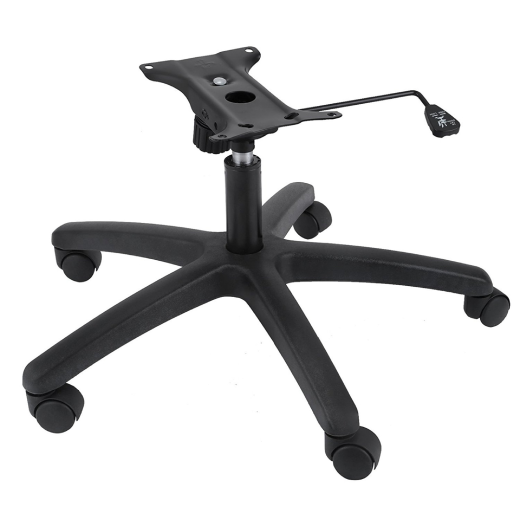
Chair bases
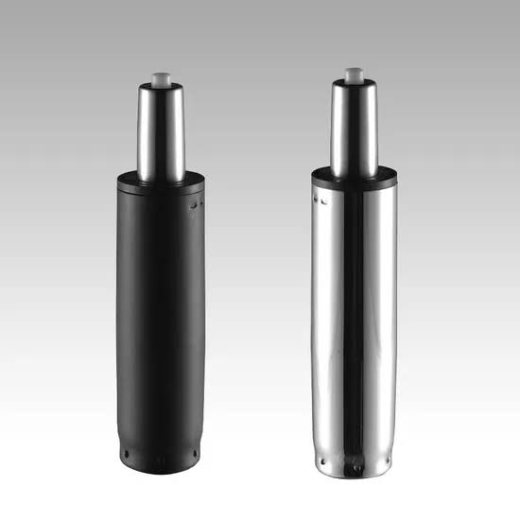
Gas lift cylinders
Mechanism systems
Seat structures
As a result, leading manufacturers increasingly focus on integrated component engineering rather than evaluating individual parts in isolation.
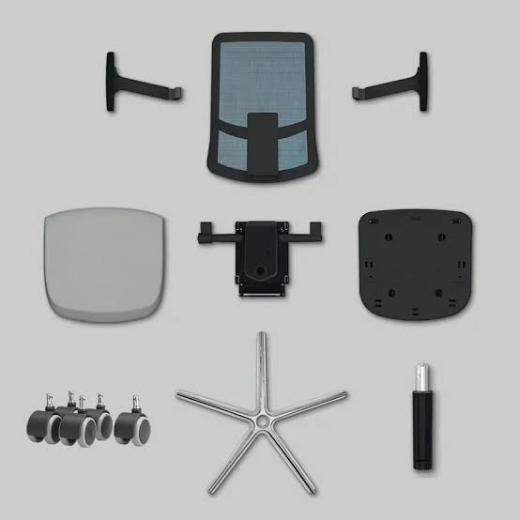
Companies such as FSGROWING follow this integrated manufacturing approach, where specialized workshops work together to produce different office chair components, including casters, chair bases, gas lift cylinders, mechanism plates, seat shells, backrests, headrests, armrests, and more.
This type of coordinated production helps ensure compatibility and consistency across the entire chair system.
What Trends Are Shaping the Future of Office Chair Casters?
Several market trends are influencing caster development:
Increased demand for hardwood floor chair wheels
Growth of remote work environments
Greater emphasis on workplace acoustics
Premium ergonomic chair adoption
Sustainability initiatives
As office furniture becomes more user centric, wheel performance is evolving from a basic functional requirement into an important element of overall chair quality.
FAQ: Common Industry Questions About Office Chair Casters
Are rubber chair wheels always better than plastic wheels?
No. Rubber chair wheels generally provide superior floor protection and quieter operation, while plastic wheels may offer advantages on carpeted surfaces and in cost-sensitive applications.
Why do office chair wheels scratch hardwood floors?
Most floor damage occurs when hard plastic wheels concentrate pressure on small contact areas or trap debris between the wheel and flooring surface.
Are soft caster wheels suitable for heavy users?
Yes, provided they are properly engineered with suitable wheel diameter, load ratings, and bearing systems.
Why do office chair casters become noisy over time?
Noise is often caused by worn bearings, wheel deformation, debris accumulation, or inadequate material quality.
What is the biggest mistake furniture manufacturers make when selecting casters?
Many focus exclusively on price while overlooking floor compatibility, user experience, noise reduction, and long-term durability. Since casters are among the most frequently used components on an office chair, their impact on customer satisfaction is often greater than expected.
So, are rubber wheels better than plastic for office chairs?
For hardwood floors, luxury office environments, home offices, and noise-sensitive workplaces, rubber chair wheels and modern soft caster wheels typically provide significant advantages in comfort, floor protection, and user experience.
However, plastic casters remain a practical solution for many carpeted and cost-driven applications.
The best choice ultimately depends on floor conditions, performance requirements, and overall chair design. By understanding the engineering principles behind caster materials, furniture manufacturers can make smarter product decisions and deliver better long-term value to their customers.
Top Rated Heavy Duty Chair Bases with High Weight Capacity
How to Choose a Reliable OEM Chair Parts Supplier?
Latest Blog