
NEWS
Data is empty
Bulk Packaging Solutions for Chair Parts
Bulk packaging is no longer just a protective layer—it has become a strategic element of global sourcing for office chair components. From carton engineering and pallet optimization to sustainable materials and integrated production planning, effective packaging directly influences logistics costs, operational efficiency, and product quality.
For office chair manufacturers, importers, wholesalers, and OEM brands, packaging is far more than the final production step. It directly influences freight costs, warehouse efficiency, product protection, customer satisfaction, and even sustainability goals. As global sourcing continues to expand, businesses purchasing bulk packaging chair parts are increasingly looking beyond simple cardboard boxes. They want packaging systems that reduce transportation costs while protecting high-value components throughout international logistics.
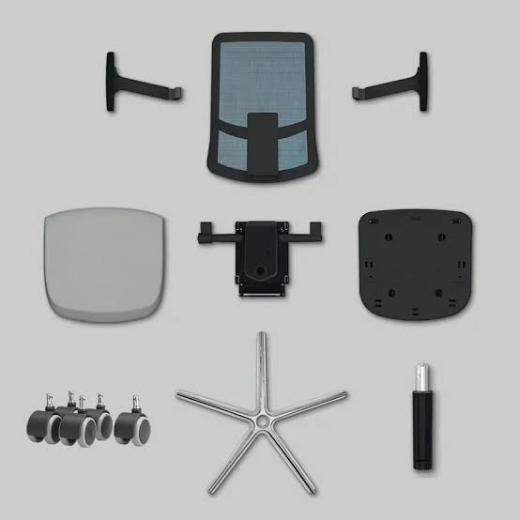
Whether shipping gas lift cylinders, chair bases, armrests, casters, or seat mechanisms, each component has different structural characteristics and packaging requirements. Poor packaging can lead to scratches, deformation, moisture exposure, excessive carton volume, and increased labor during assembly.
Why Is Bulk Packaging for Chair Parts Becoming a Strategic Supply Chain Decision?
Why do packaging costs matter more than many buyers realize?
Many procurement teams initially focus on unit price while overlooking packaging efficiency. However, for international shipments, packaging often affects the total landed cost just as much as manufacturing.
Effective bulk packaging chair parts strategies help businesses:
Reduce freight expenses by improving container utilization
Minimize product damage during ocean and inland transportation
Improve warehouse storage efficiency
Accelerate production line assembly
Lower overall logistics costs
As freight rates fluctuate globally, optimizing carton dimensions and packaging density has become an important competitive advantage.
Which office chair components require different packaging methods?
Not every chair component should be packed the same way.
Large structural bulk packaging chair parts require different protection than precision mechanical components.
Examples include:
Chair Bases
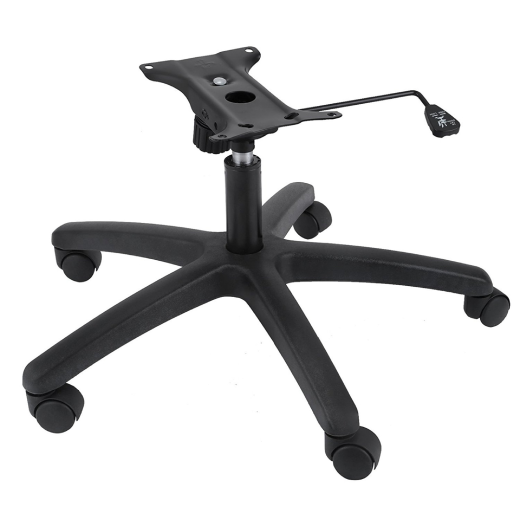
Steel and aluminum bases require protection against scratches while maximizing stacking efficiency.
Gas Lift Cylinders
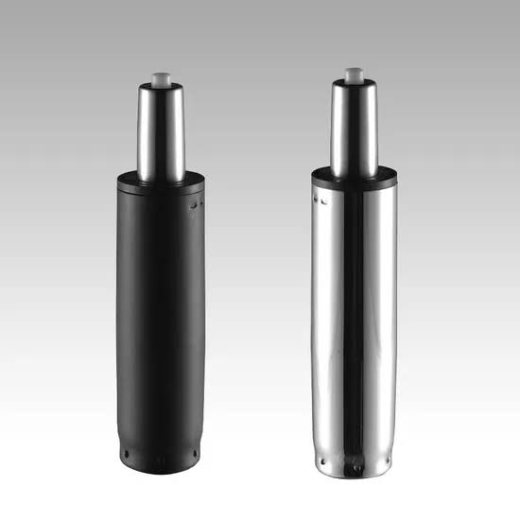
Gas lifts require secure positioning to prevent movement during transport. Protective sleeves or compartment separators are commonly used.
Casters
Casters are small but heavy. Bulk packing without internal separation may cause abrasion or damage to wheel surfaces.
Armrests
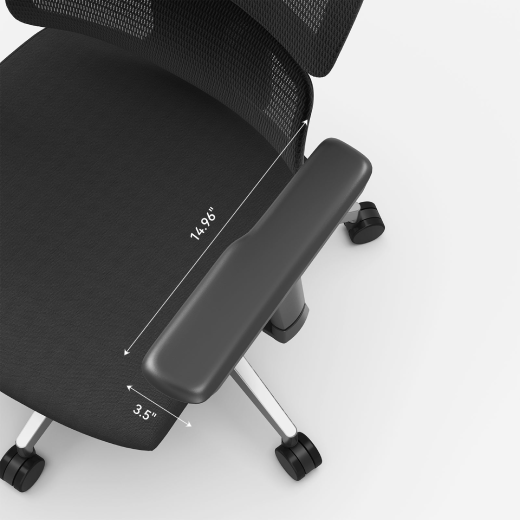
Armrests often include soft PU pads or painted surfaces that require individual wrapping to avoid cosmetic defects.
Mechanism Plates
These precision components need moisture protection and corrosion prevention during long distance shipping.
Understanding these differences helps buyers specify suitable packaging before placing purchase orders.

What Is the Best Industrial Packaging Chair for Different Office Chair Components?
How should heavy metal chair parts be packaged?
Heavy components such as mechanism plates, steel chair bases, and gas lift cylinders require reinforced packaging.
Typical solutions include:
Double wall corrugated cartons
High strength edge protection
Internal cardboard dividers
Stretch film stabilization
Moisture resistant packaging materials
These methods reduce movement during transportation while preventing carton failure.
How should plastic chair components be packed?
Plastic seat shells, backrests, and armrests are susceptible to scratches rather than structural damage.
Recommended approaches include:
PE protective bags
Foam separators
Nested stacking designs
Customized carton inserts
Proper nesting significantly reduces shipping volume without compromising appearance.
Why is chair parts carton design more important than simply using thicker boxes?
Many buyers assume thicker cartons automatically provide better protection.
In reality, professional chair parts carton engineering focuses on several factors:
Compression strength
Stacking stability
Internal load distribution
Drop resistance
Chair parts carton dimensions matching pallet sizes
An oversized chair parts carton wastes freight space, while an undersized carton increases compression risks.
Packaging engineers typically optimize both structural strength and shipping efficiency simultaneously.
How can pallet optimization improve container loading efficiency?
Packaging design should always consider pallet dimensions.
Well-designed cartons:
Stack securely
Reduce empty spaces
Improve forklift handling
Increase container utilization
Simplify warehouse inventory management
Even small dimensional adjustments can significantly increase the number of cartons loaded into a container.
What Should Buyers Look for When Sourcing Bulk Packaging Chair Parts from Manufacturers?
Should packaging be discussed before production begins?
Absolutely.
Many packaging problems originate during product development rather than after manufacturing.
Buyers should clarify:
Carton dimensions
Maximum carton weight
Labeling requirements
Barcode placement
Export markings
Assembly kit organization
Spare parts packaging
Mixed-container loading plans
Early planning reduces costly repacking later.
Why are customized packaging solutions becoming more popular?
Different markets have different logistics requirements.
Examples include:
E-commerce packaging
Retail-ready cartons
Knock-down packaging
Distributor bulk cartons
OEM private label packaging
A one-size-fits-all packaging strategy rarely meets every customer's needs.
Experienced manufacturers usually provide multiple packaging options depending on shipping methods and distribution channels.
Can packaging improve production efficiency after delivery?
Yes.
Well-organized packaging shortens assembly time.
Examples include:
Color-coded labels
Clearly separated hardware kits
Sequential packing based on assembly order
QR code identification
Component grouping by workstation
Packaging therefore supports not only transportation but also downstream manufacturing efficiency.
Why does manufacturing integration matter for packaging consistency?
Packaging quality depends heavily on production coordination.
Manufacturers with integrated production systems can better synchronize component manufacturing, quality inspection, packaging, and shipment scheduling.
For example, FSGROWING operates specialized workshops dedicated to producing different office chair components, including casters, chair bases, gas lift cylinders, mechanism plates, seat shells, backrests, headrests, armrests, and other related bulk packaging chair parts. Because multiple production processes are coordinated within the same manufacturing system, packaging specifications can remain consistent across various component categories, making it easier for customers to consolidate shipments and simplify procurement management.
This integrated production approach is particularly valuable for OEM and ODM projects involving multiple chair components sourced from a single supplier.
Future Trends in Industrial Packaging Chair Solutions
Will sustainable packaging become the new standard?
Environmental regulations and customer expectations are driving packaging innovation.
Emerging trends include:
Recyclable corrugated materials
Plastic reduction initiatives
Water-based printing
FSC-certified paper packaging
Reusable transport packaging
Lightweight protective materials
Sustainable packaging not only supports ESG objectives but can also reduce shipping weight.
How is smart packaging improving supply chain visibility?
Digital technologies are gradually transforming industrial packaging.
Examples include:
QR code tracking
RFID-enabled inventory management
Digital packing lists
Serialized carton identification
Warehouse automation compatibility
These technologies improve traceability from factory to final assembly.
Why should buyers evaluate packaging capabilities alongside manufacturing capacity?
Many sourcing decisions focus solely on production equipment.
However, professional export packaging reflects a manufacturer's operational maturity.
An experienced supplier typically demonstrates strengths in:
Packaging engineering
International shipping standards
Container optimization
Packaging quality control
Multi-component shipment coordination
Export documentation consistency
For global buyers, these capabilities often translate into fewer logistics issues and lower total operating costs.
Frequently Asked Questions
What is the best packaging solution for bulk chair parts?
The best solution depends on the component type, shipping distance, and distribution model. Heavy metal parts generally require reinforced cartons with internal supports, while plastic components benefit from protective bags, foam separators, and nested packaging designs.
How can I reduce shipping costs when importing office chair components?
Optimize carton dimensions, increase container utilization, avoid oversized packaging, and work with manufacturers that understand export packaging engineering. Efficient packaging can significantly lower freight costs without compromising product protection.
What should a high quality chair parts carton include?
A professional chair parts carton should provide sufficient compression strength, protect components from movement and moisture, fit standard pallet dimensions, and withstand long-distance transportation. Internal dividers or custom inserts are often used to improve stability and reduce damage.
Is industrial packaging chair important for OEM office chair projects?
Yes. OEM projects often involve multiple customized components shipped together. Proper industrial packaging chair solutions help organize bulk packaging chair parts efficiently, reduce assembly errors, simplify warehouse handling, and ensure products arrive in good condition.
Can one supplier package all office chair components together?
Many buyers prefer consolidated shipments to simplify logistics. Manufacturers with integrated production capabilities are generally better positioned to coordinate packaging across multiple component categories, improving consistency and reducing supply chain complexity.
For buyers sourcing bulk packaging chair parts, evaluating a supplier's packaging expertise alongside manufacturing capabilities can lead to measurable long term benefits. As international supply chains continue to evolve, businesses that invest in smarter packaging strategies will be better equipped to reduce costs, minimize damage, and improve overall procurement performance.
How to Do the Chair Test?
Office Chair Replacement Parts Overview
Latest Blog