
NEWS
Data is empty
Business Office Chair Parts: A Complete Guide to Components, Quality, and B2B Sourcing
Selecting the right business office chair parts is essential for office furniture manufacturers, commercial furniture distributors, importers, and private-label brands. Every component affects chair performance, durability, assembly efficiency, and overall product cost. Sourcing office chair components is not simply about comparing prices. It requires evaluating technical specifications, component compatibility, production consistency, and long-term supply reliability.
1. What Are the Essential Business Office Chair Parts?
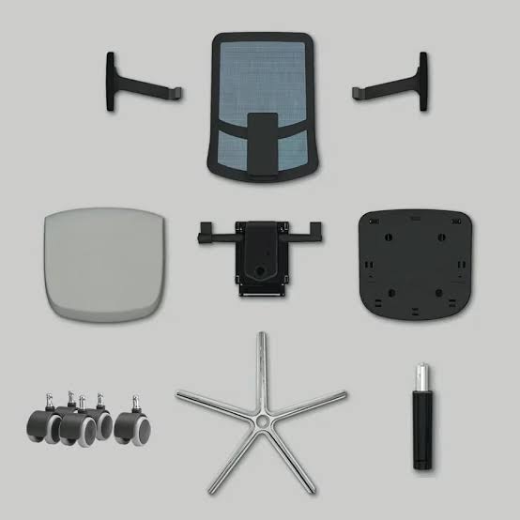
A commercial office chair consists of multiple components designed to work as an integrated mechanical system. The primary business office chair parts include structural components, adjustment mechanisms, mobility components, and ergonomic accessories.
Which office chair components are most important for commercial furniture manufacturing?
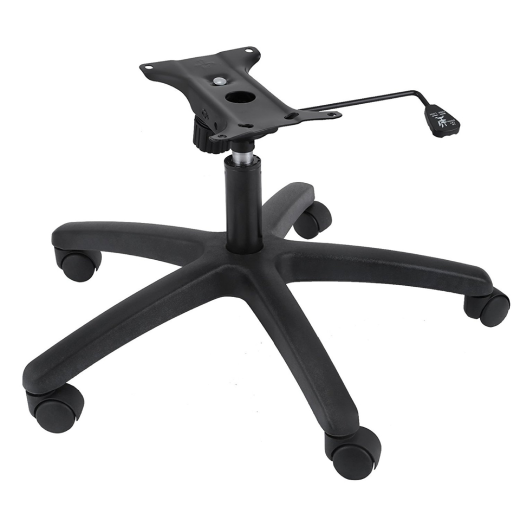
Casters and chair bases provide mobility and structural support. Casters must match the intended floor surface and chair-base connections, while the base distributes loads through its supporting legs.
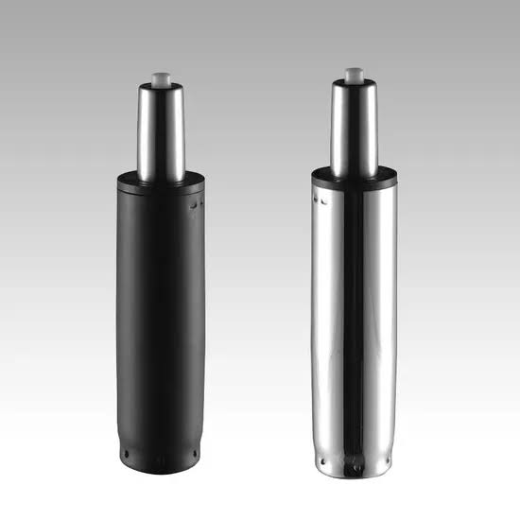
Gas lift cylinders enable seat-height adjustment. Buyers should verify dimensions, adjustment stroke, load requirements, and relevant durability specifications rather than relying solely on product descriptions.
Mechanism plates connect the seat assembly to the gas lift and control functions such as tilting, reclining, and locking. Different mechanisms provide different movement characteristics, making compatibility with the seat and backrest essential.
Seat shells and backrests establish the chair's structural geometry and influence comfort, appearance, and ergonomic support.
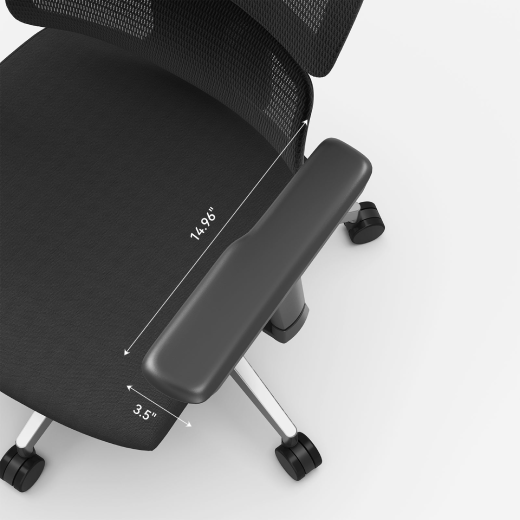
Armrests and headrests provide additional support and product differentiation. Their value depends on adjustment range, mounting stability, material quality, and the intended user group.
2. How Should Buyers Evaluate Corporate Chair Parts for Commercial Use?
Corporate chair parts often serve demanding environments such as offices, meeting rooms, training facilities, and shared workspaces. These applications may involve frequent adjustments, repeated movement, and extended daily use.
What specifications matter when purchasing business office chair parts?
Buyers should evaluate each component according to its function and operating conditions.
| Component | Key purchasing considerations | Common sourcing risk |
| Casters | Wheel material, diameter, stem dimensions, rolling performance | Poor floor compatibility or loose mounting |
| Chair bases | Material, geometry, stability, gas lift interface | Cracking, deformation, or dimensional mismatch |
| Gas lift cylinders | Stroke, dimensions, load requirements, cycle testing | Height-adjustment failure or inconsistent fit |
| Mechanism plates | Mounting pattern, tilt functions, structural performance | Assembly mismatch or premature wear |
| Seat shells | Material, wall thickness, mounting points, dimensional consistency | Cracking or alignment problems |
| Backrests | Support structure, adjustment, connection design | Instability or poor fit |
| Armrests | Adjustment range, locking performance, mounting strength | Excessive wobble or mechanism wear |
| Headrests | Height adjustment, angle, attachment compatibility | Poor positioning or insecure attachment |
The most effective procurement process begins with a clear technical specification. Two corporate chair parts may look identical but differ in material grade, dimensional tolerance, manufacturing quality, or test performance.
For this reason, buyers should compare equivalent specifications instead of selecting components by appearance or unit price alone.
3. How Can Businesses Improve Office Chair Component Compatibility?
Component compatibility is a major challenge when sourcing business office chair parts from multiple suppliers. A small dimensional difference can create assembly delays, additional inspection, or product failures.
Why do individually acceptable office chair components sometimes fail as a complete assembly?
Office chairs contain multiple interconnected interfaces. The gas lift must fit the chair base and mechanism. The mechanism must match the seat mounting pattern. Casters must fit the base sockets, while armrests and backrests must align with their designated mounting points.
Even when every component meets its individual specification, tolerance differences can accumulate across the assembly. This is known as tolerance stack-up.
To manage this risk, manufacturers should establish interface drawings, define critical dimensions, and verify compatibility during sample assembly. A first-article inspection can help identify problems before mass production.
Standardizing compatible office chair components across several product models can also simplify inventory management and reduce assembly complexity. However, standardization should never override the load, stability, or ergonomic requirements of a specific chair design.
4. How Should B2B Buyers Select a Business Office Chair Parts Supplier?
Choosing a supplier requires more than reviewing a catalog or requesting a quotation. Commercial buyers need to understand whether a supplier can deliver consistent specifications, support technical clarification, and maintain reliable production over repeated orders.
What should importers check before placing bulk orders for corporate chair parts?
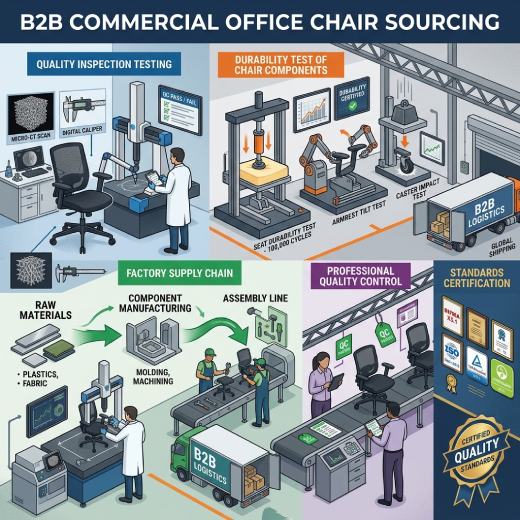
First, confirm the supplier's manufacturing capabilities and product range. Determine whether the supplier produces the required components directly, coordinates specialized production, or relies on external subcontractors.
Second, review sample quality and documentation. Depending on the component, this may include dimensional drawings, material specifications, load-test results, durability reports, and agreed inspection criteria.
Third, assess production consistency. A satisfactory sample is only the starting point; mass-produced components must maintain the same critical dimensions and performance characteristics.
Fourth, evaluate minimum order quantities, lead times, packaging, and replacement procedures. These commercial factors influence inventory costs and the ability to support customers after delivery.
FSGROWING's specialized workshops work together to produce different office chair components, including casters, chair bases, gas lift cylinders, mechanism plates, seat shells, backrests, headrests, armrests, and more. This broader component range is relevant to buyers evaluating multiple parts for a coordinated office chair assembly.
5. How Can Businesses Reduce Sourcing Costs Without Sacrificing Quality?
Standardize compatible components. Using approved components across multiple chair models can consolidate purchasing volumes and reduce the number of unique parts.
Compare total landed cost. Include unit prices, freight, duties, inspection, assembly labor, and expected replacement costs.
Improve quality control. Define measurable acceptance criteria and inspect critical dimensions before mass production.
Plan inventory carefully. Balance volume discounts against storage expenses, working capital, and demand uncertainty.
Validate design changes. Alternative materials or manufacturing methods may reduce cost, but proposed changes should be tested against the original performance requirements.
These measures help manufacturers source business office chair parts more efficiently while protecting product reliability and customer satisfaction.
6. FAQ: Common Questions About Business Office Chair Parts
What is the difference between office chair components and corporate chair parts?
The terms generally overlap. Office chair components describes the individual parts of a chair, while corporate chair parts often emphasizes components intended for commercial office furniture programs. In practice, suitability depends on the component specification and intended application, not the terminology.
Which business office chair parts are most critical to safety?
Load-bearing and adjustment components require particular attention, including gas lift cylinders, chair bases, and mechanism plates. Casters and their mounting connections also affect stability and mobility. Buyers should verify applicable testing requirements for the complete chair configuration.
Can corporate chair parts from different manufacturers be combined?
Yes, provided the interfaces, dimensions, load requirements, and functional characteristics are compatible. Visual similarity alone is insufficient. Sample assembly and dimensional verification are recommended before bulk purchasing.
Should buyers source all office chair components from one supplier?
Consolidated sourcing may simplify communication and compatibility management, but it can also increase supplier dependency. Buyers should compare coordination benefits with supply continuity, technical capability, and the availability of qualified alternatives.
What information should a buyer provide when requesting a quotation?
Provide drawings or samples, quantities, material requirements, dimensions, target applications, testing requirements, packaging specifications, and delivery expectations. Clear information helps suppliers quote comparable products and reduces the risk of specification misunderstandings.
If you are developing a commercial chair range or reviewing your current component supply chain, start by identifying your required parts, interface dimensions, quality criteria, and expected order volumes. FSGROWING's office chair component range provides a starting point for discussing component sourcing and coordination requirements.
Latest Blog