
NEWS
Can Chairs Be Made From Plywood?
When it comes to furniture design and manufacturing, one of the most frequently asked questions is: can chairs be made from plywood? The short answer is yes—but there's much more to consider before jumping into chairmaking with plywood. From structural integrity to aesthetic appeal, understanding how different types of plywood perform under stress and use is essential.
Understanding the Structure and Properties of Plywood
Before diving into whether plywood can be used for chairs, it's important to understand what plywood is and why it's a popular material in woodworking and furniture making.
Plywood is an engineered wood product made by gluing together thin layers (plies) of wood veneer. These plies are arranged with the grain direction alternating between each layer, which increases strength and reduces the risk of warping or splitting. This cross grain structure gives plywood superior dimensional stability compared to solid wood.
Types commonly used in furniture include:
Birch plywood : Known for its durability and clean surface.
Maple plywood : Offers a lighter color and fine grain suitable for modern interiors.
Marine plywood : Water resistant and ideal for outdoor or high-humidity environments.
Luan (laundry) plywood : Lightweight and often used for interior applications.
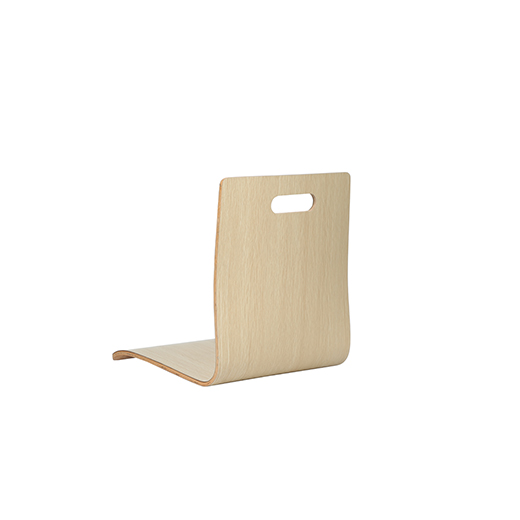
Each type has unique characteristics that determine its suitability for chair construction, especially when it comes to bent plywood seat chair parts.
Can Plywood Be Used For Chairs? Evaluating Strength and Durability
The question ‘can chairs be made from plywood' is not just about feasibility—it's about performance. Chairs must support weight, resist twisting, and endure repeated use without failure. When evaluating plywood for chair making, several factors come into play:
1. Thickness
Chair seats and backs typically require plywood between ⅝' to ¾' thick to provide adequate rigidity and comfort. Thinner sheets may flex too much under load, leading to discomfort or structural failure over time.
2. Layer Quality
Higher grade plywood with fewer voids and consistent bonding ensures better load distribution and resistance to breakage. Furniture-grade plywood (like BB/CC or higher) is recommended for visible and load-bearing parts.
3. Edge Treatment
Exposed edges on plywood seats can splinter or look unfinished. Edge banding or rounding is often used to improve both safety and aesthetics, especially in office chair plywood seat designs.
4. Ergonomics and Comfort
Flat plywood surfaces may feel rigid unless contoured or padded. In office chair seat plywood replacement , designers often combine plywood bases with foam padding or upholstery for enhanced ergonomics.
Our company offers pre-cut, sanded, and edge-finished plywood blanks specifically designed for chair construction, ensuring ease of integration into existing designs.
Bent Plywood Seat Chair Parts: How They Work
One of the most innovative uses of plywood in chair design is bent plywood seat chair parts . This technique involves steam bending or laminating thin plies together around a mold to create curved shapes that conform to the human body.
Here's how bent plywood works:
1. Lamination Method
Thin strips of peeled wood (often 1/16' to 1/8') are glued together using strong adhesives like polyvinyl acetate (PVA) or urea-formaldehyde resin. Once clamped and dried over a form, they take on the desired shape.
2. Steam Bending
In some cases, thicker pieces of flexible plywood can be soaked with water and steamed until soft enough to bend manually or with jigs. While less common today due to consistency issues, this method is still used by small scale artisans.
3. Mold Design
Creating accurate molds is crucial for achieving repeatable curves across multiple chair components. Our company provides CNC-machined molds and prefabricated bent plywood forms tailored to specific seating profiles.
Because of their lightweight yet durable nature, bent plywood seat chair parts have become a staple in mid-century modern furniture and contemporary office seating.
Office Chair Plywood Seat: Why It's Popular in Commercial Design
In modern commercial furniture, especially in office environments, office chair plywood seat structures are widely adopted for their balance of comfort, cost-efficiency, and sustainability.
Advantages of Using Plywood in Office Seating:
Lightweight yet Strong : Ideal for stacking chairs and modular setups.
Cost effective Material Source : Reduces reliance on expensive hardwoods.
Customizable Shapes : Allows for organic contours and ergonomic designs.
Easy to Finish : Stains, paints, and laminates adhere well to plywood surfaces.
Many office chairs use a combination of molded plywood shells and fabric or mesh panels to enhance breathability and posture support. In addition, office chair seat plywood replacement options are increasingly available for repair or retrofitting older models without replacing the entire chair.
Our range of office chair plywood seat components includes ready-to-assemble seat shells, backrest forms, and replacement kits compatible with various industry-standard mounting systems.
Office Chair Seat Plywood Replacement: A Sustainable Solution
As businesses focus more on sustainability and reducing waste, office chair seat plywood replacement has emerged as a practical alternative to buying entirely new chairs.
Rather than discarding a functional chair because of a cracked or worn-out seat, many companies opt to replace just the damaged part. This approach:
Reduces landfill waste
Lowers procurement costs
Extends the life of existing furniture
Maintains brand consistency in workplace interiors
We offer universal-fit and custom-fit office chair seat plywood replacement parts in standard dimensions and thicknesses, making repairs quick and efficient. Our products are tested for load-bearing capacity and durability, meeting commercial furniture standards.
Key Considerations When Designing Chairs with Plywood
While plywood is a versatile material, successful chair design requires attention to detail. Here are some important factors to keep in mind:
1. Load Capacity Testing
Ensure that your plywood chair prototypes undergo weight tests to confirm they meet safety standards (e.g., ANSI/BIFMA X5.1 for office chairs).
2. Joinery Techniques
Use proper joinery such as mortise-and-tenon, dowel joints, or reinforced screws to connect legs and supports securely.
3. Surface Finishing
Apply protective finishes like varnish, lacquer, or thermoplastic coatings to improve wear resistance and appearance.
4. Moisture Resistance
For humid climates or areas prone to spills, choose moisture-resistant plywood grades or apply sealants to prevent swelling and delamination.
5. Comfort Integration
Pair plywood shells with cushioned pads, breathable fabrics, or adjustable supports to enhance user satisfaction.
These principles guide our product development team when creating bent plywood seat chair parts and other components for clients in the furniture industry.
Maintenance and Longevity of Plywood Chairs
Proper care extends the lifespan of any wooden furniture. To maintain the condition of plywood chairs:
Avoid exposure to direct water or excessive humidity.
Clean regularly with mild soap and a soft cloth.
Reapply finish every few years if signs of wear appear.
Tighten hardware periodically to prevent loosening.
With appropriate maintenance, a well-made plywood chair can last decades—even in high-traffic environments like offices, schools, and cafes.
Why Choose Plywood Over Other Materials?
Compared to alternatives like plastic, metal, or solid wood, plywood offers several advantages:
| Feature | Plywood | Plastic | Solid Wood |
| Cost | Moderate | Low | High |
| Durability | High | Medium | High |
| Weight | Light | Light | Heavy |
| Flexibility | High (with bending) | Low | Low |
| Sustainability | High | Low | Variable |
This makes plywood a preferred choice for both residential and commercial seating applications where quality, aesthetics, and environmental impact matter.
To answer the original question—can chairs be made from plywood? Absolutely. With the right materials, techniques, and attention to ergonomic design, plywood is a highly effective medium for crafting everything from dining chairs to office chair plywood seat units.
Whether you're exploring bent plywood seat chair parts , looking for office chair seat plywood replacement options, or designing a new line of sustainable furniture, understanding plywood's strengths and limitations is key to success.
At our company, we specialize in supplying precision-cut, high-strength plywood components tailored to furniture makers and industrial designers. Our commitment is to share knowledge, support innovation, and empower the next generation of functional, beautiful chair designs—all while staying grounded in real-world application and engineering best practices.
So, the next time you sit down in a stylish plywood chair, remember: it's not just a piece of furniture—it's a blend of art, science, and sustainability working together seamlessly.
Good quality plywood chair seat replacement near me! FSGROWING is dedicated to providing high quality bent plywood seat chair parts at competitive factory direct prices. Our office chair plywood seat is thoughtfully designed to blend comfort with modern aesthetics, making them perfect for contemporary offices and interiors. Each office chair seat plywood replacement is precisely engineered to deliver long lasting durability, ergonomic support, and a clean, stylish look. Whether you're outfitting a commercial workspace or sourcing bulk seating components, we offer dependable and cost effective solutions tailored to your requirements.
Is MDF or Plywood Better for Furniture?
What Wood to Use for a Chair Seat?
Latest Blog