
NEWS
Can You Install Any Seat Into Any Base Office Chair?
When an office chair begins to show signs of wear — a sagging seat, cracked upholstery, or a wobbly base — many users wonder whether they can simply swap out one part for another. A common question arises: Can you install any seat into any base office chair? At first glance, office chairs appear modular, with distinct components like the seat, backrest, gas lift, and base for office chair. But in reality, interchangeability isn’t guaranteed. Understanding the technical and mechanical factors behind chair compatibility is essential for making informed decisions — whether you're repairing a single chair or managing a fleet of office furniture.
The Anatomy of an Office Chair: Why Not All Seats Fit All Bases
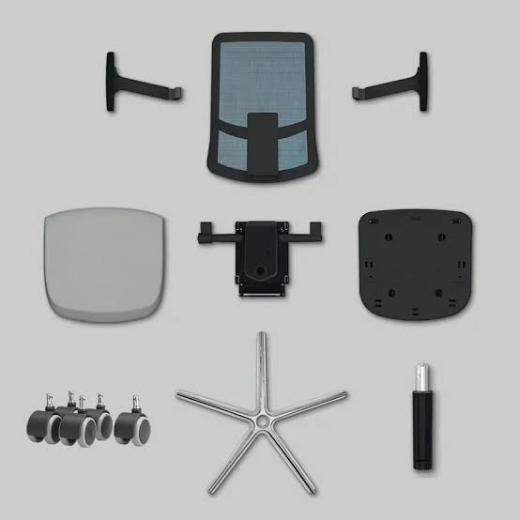
To answer the question can you install any seat into any base office chair, we must first understand how office chairs are constructed. Most modern office chairs consist of five key components:
Seat pan (the foundation of the seat)
Upholstery and padding
Backrest and lumbar support
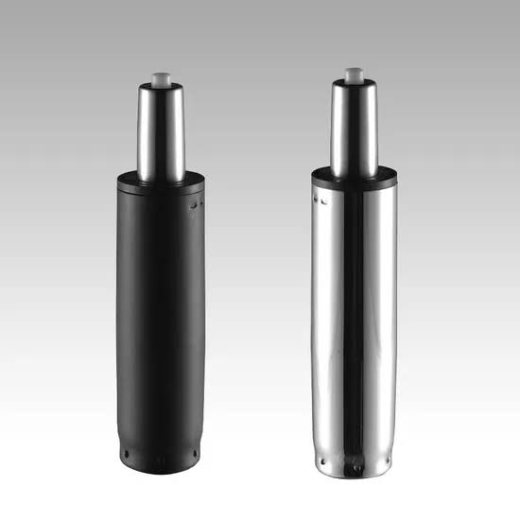
Gas lift (pneumatic cylinder)
Office chair bases (the star-shaped base with casters)
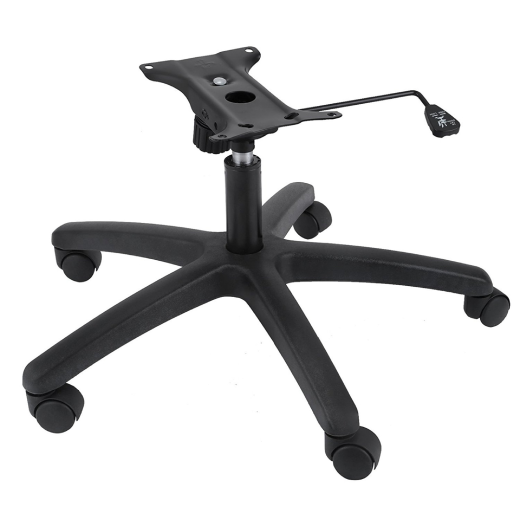
The critical link between the seat and the base is the gas lift cylinder, which inserts into the base’s central hub and connects to the underside of the seat pan via a mounting plate or bracket. While gas lifts are largely standardized (typically 1 inch in diameter and following ISO 9193-1), the way the seat pan attaches to the gas lift varies significantly between manufacturers.
Some chairs use a 4-hole cross pattern to secure the gas lift, while others use proprietary brackets, plastic clips, or integrated plastic housings. This means that even if the gas lift fits into a new office chair replacement base, the seat pan itself may not align properly with the mounting system. As a result, attempting to install a seat from Brand A onto a base from Brand B can lead to instability, wobbling, or even detachment under load.
FSGROWING, for example, designs its seat-to-base interfaces using widely accepted dimensional standards, ensuring compatibility with common gas lifts and facilitating easier repairs. However, this level of standardization is not universal across the industry.

Common Compatibility Issues When Swapping Seats and Bases
Even when two chairs look similar, several technical factors can prevent successful integration. Here are the most common compatibility challenges:
1. Mounting Plate Dimensions and Hole Patterns
The underside of the seat pan usually features a metal or plastic plate with holes that align with the gas lift. The most common pattern is a cross pattern with 0.75-inch center-to-center spacing, but variations exist. If the hole pattern doesn’t match, the seat cannot be securely fastened.
2. Gas Lift Diameter and Stroke Length
While most gas lifts are 1 inch in diameter and 4.75–5.5 inches in length, some ergonomic or specialty chairs use longer or shorter cylinders. A mismatch can result in the seat sitting too high, too low, or failing to lock in place.
3. Base Diameter and Stability
A base for office chair typically ranges from 24 to 28 inches in diameter. A larger base improves stability but may not fit under certain desks. Installing a seat onto a base that’s too small can reduce support and increase tipping risk.
4. Weight Capacity and Material Strength
Seats and bases are rated for specific weight limits. Combining a heavy-duty seat with a lightweight plastic base — or vice versa — can compromise safety. For example, a mesh racing-style seat designed for high breathability may not be structurally compatible with a heavy-duty metal base intended for executive chairs.
These factors illustrate why the assumption that any seat fits any base is misleading. Successful replacement requires careful measurement and verification of both mechanical and dimensional compatibility.
When Can You Successfully Replace an Office Chair Seat or Base?
While full interchangeability is rare, there are scenarios where swapping components is both feasible and practical:
1. Using Standardized Replacement Parts
Many manufacturers, including FSGROWING, produce office chair replacement base units and seat assemblies that adhere to industry norms. These parts are designed to work with common gas lifts and mounting patterns, making them ideal for repairs in corporate or home office environments.
2. Within the Same Brand or Model Line
Chairs from the same manufacturer often share internal specifications. For example, replacing a worn seat on a Series X chair with another Series X seat is usually straightforward, as the mounting system, gas lift, and base are engineered to work together.
3. After Professional Assessment
If you're managing a large office and considering component swaps to reduce costs, consulting a furniture technician or using compatibility charts can prevent costly mistakes. Some third-party suppliers offer cross-reference guides that match seats, bases, and gas lifts by model number.
4. For Upgrades to Heavy-Duty or Ergonomic Models
In some cases, upgrading from a basic plastic base to a reinforced nylon or aluminum base for office chair can improve durability. However, this should only be done if the seat pan and gas lift are rated for the increased load and stress.
Ultimately, the ability to install a new seat onto an existing base — or vice versa — depends on matching technical specs, not just visual similarity.
The Long Term Benefits of Modular Office Chair Design
The growing interest in questions like can you install any seat into any base office chair reflects a broader shift toward sustainability and cost efficiency in office furniture. Instead of discarding an entire chair due to a single failing component, businesses and individuals are increasingly looking to repair and reuse.
Modular design — where components like the office chair bases, seats, and arms can be replaced independently — supports this trend. It reduces waste, lowers procurement costs, and extends the lifecycle of office furniture. This approach aligns with circular economy principles and is increasingly adopted by manufacturers focused on durability and serviceability.
FSGROWING, for instance, emphasizes modular construction in its product lines, ensuring that common wear parts like bases and seat pans can be sourced separately. This not only simplifies maintenance but also allows users to upgrade specific features — such as switching to a more breathable mesh seat or a larger, more stable base — without replacing the entire chair.
Moreover, standardized components make it easier for third-party repair services and DIY users to maintain chairs over time, reducing dependency on proprietary systems that lock customers into single-brand ecosystems.
Can You Install Any Seat Into Any Base Office Chair?
The short answer is no — not all seats can be installed on all bases. While many office chairs use similar gas lifts and follow common design standards, the attachment mechanisms between the seat pan and the base vary widely. Without matching hole patterns, compatible gas lifts, and aligned weight ratings, attempting a swap can result in instability, safety hazards, or premature failure.
However, with careful research and the use of standardized parts — such as those found in office chair replacement base systems designed for broad compatibility — it is often possible to replace either the seat or the base successfully. The key is understanding the technical specifications, not assuming visual similarity equals functional interchangeability.
By prioritizing compatibility, material strength, and long-term usability, users can make smarter decisions about office chair maintenance — saving money, reducing waste, and ensuring continued comfort and safety in the workplace.
Upgrade your workspace with FSGROWING’s premium office chair replacement base — built for strength, style, and comfort. Enhance stability and enjoy long lasting performance with our high quality chair bases, perfect for modern offices.
Why Does My Office Chair Break Off at Base?
Are Office Chair Bases Universal?
Latest Blog