
NEWS
Data is empty
Hydraulic vs Pneumatic Systems: Which Technology Performs Better in Modern Chair Lift Mechanisms?
In industrial seating, ergonomic office furniture, medical chairs, salon equipment, and heavy duty workstation environments, the debate around hydraulic vs pneumatic systems is far more than a basic engineering comparison. Buyers, distributors, and OEM manufacturers increasingly search for deeper answers related to durability, load stability, maintenance cycles, user comfort, and long term operational cost.
For office chair manufacturers and component buyers, understanding the real differences between hydraulic chair parts, pneumatic chair parts, and modern chair lift mechanism technologies has become essential. End users may only notice whether a chair moves smoothly, but engineers, sourcing managers, and furniture brands know the internal lifting system determines product lifespan, safety, ergonomic performance, and warranty claims.
Today's market no longer focuses solely on “which is cheaper.” Instead, global buyers are asking:
Which lifting system lasts longer under commercial use?
Why do some chairs sink after one year?
Are hydraulic systems better for heavy users?
What Is the Real Difference Between Hydraulic and Pneumatic Chair Systems?
How Does a Pneumatic Chair Lift Mechanism Actually Work?
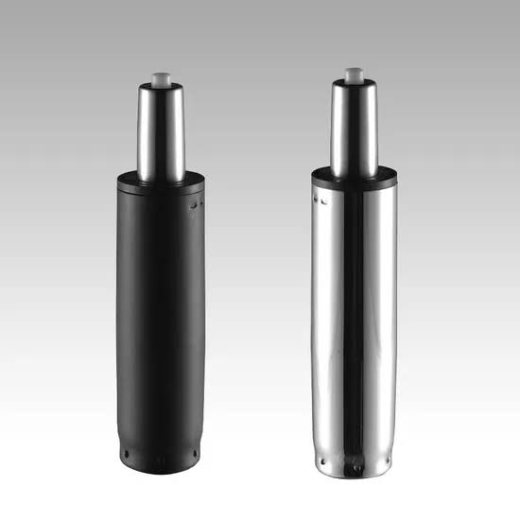
Most modern office chairs rely on pneumatic systems, commonly called gas lift cylinders. These systems use compressed nitrogen sealed inside a cylinder to create controlled vertical movement. When the adjustment lever is activated, internal valves regulate gas pressure, allowing the chair to rise or lower smoothly.
Pneumatic chair parts are popular because they provide:
Fast height adjustment
Quiet operation
Lightweight construction
Lower manufacturing cost
Compact installation structure
Simple ergonomic integration
This explains why pneumatic chair lift mechanism designs dominate:
task chairs
ergonomic office chairs
gaming chairs
conference seating
home office furniture
The biggest engineering advantage comes from compressed gas behavior. Gas is compressible, allowing softer cushioning and smoother rebound characteristics compared with oil-driven systems. Engineers often describe pneumatic movement as more responsive and user-friendly for frequent micro-adjustments.
Why Are Hydraulic Chair Parts Used in Heavy Duty Applications?
Hydraulic systems operate differently. Instead of compressed gas, they rely on incompressible hydraulic fluid to transfer force. Because liquids resist compression, hydraulic systems generate stronger and more stable lifting force under high loads.
Hydraulic chair parts are commonly found in:
barber chairs
dental chairs
medical treatment chairs
industrial operator seating
heavy duty ergonomic stools
high load commercial seating
Compared with pneumatic systems, hydraulic lift mechanisms generally offer:
superior load bearing capacity
higher positional stability
slower but more controlled movement
reduced bounce under weight shifts
better support for bariatric users
Because hydraulic fluid is incompressible, users often describe hydraulic chairs as feeling “solid” or “grounded.” This becomes especially important in environments requiring precision positioning, such as dental clinics or salon workstations.
Why Do Pneumatic Systems Dominate the Office Chair Industry?
Despite the strength advantages of hydraulics, pneumatic chair parts remain dominant in office seating manufacturing worldwide.
The reason is simple: office environments prioritize ergonomic flexibility, lightweight operation, production efficiency, and cost optimization.
For high volume office chair manufacturing, pneumatic systems deliver the best balance between:
user comfort
manufacturing scalability
assembly efficiency
sourcing cost
shipping weight
modular integration
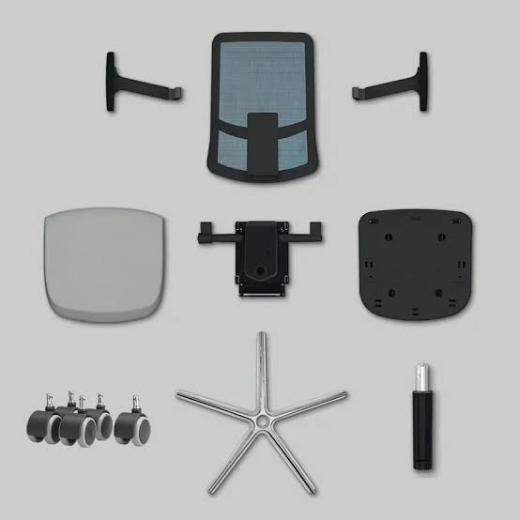
Modern office furniture factories increasingly rely on specialized component ecosystems where multiple workshops coordinate production of integrated seating systems. Companies such as FSGROWING optimize this supply-chain model through specialized workshops working together to produce different office chair components, including casters, chair bases, gas lift cylinders, mechanism plates, seat shells, backrests, headrests, armrests, and more.
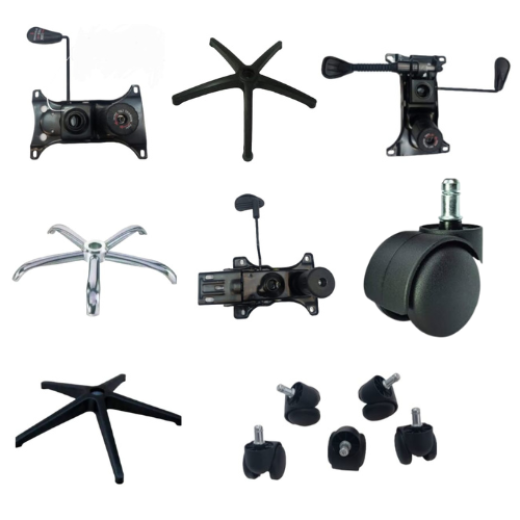
Hydraulic Chair Parts vs Pneumatic Chair Parts — Which Lasts Longer?
Why Do Some Office Chair Gas Lifts Fail So Quickly?
One of the most searched long-tail keywords in the industry is: “Why does my office chair keep sinking?” This problem usually originates from low quality pneumatic chair parts.
A gas lift cylinder depends heavily on:
seal quality
steel thickness
nitrogen purity
piston precision
welding consistency
surface treatment
Inferior manufacturing shortcuts dramatically reduce lifespan.
Many low-cost chairs use lower-grade cylinders with weak sealing systems. Once microscopic leakage occurs, the cylinder gradually loses pressure and can no longer maintain seating height.
Professional buyers increasingly focus on:
Class 3 gas lifts
Class 4 gas lifts
SGS certification
BIFMA testing
TUV standards
These certifications indicate stronger structural integrity and improved long term reliability.
Are Hydraulic Lift Mechanisms More Durable Than Pneumatic Systems?
In heavy load environments, hydraulic systems often outperform pneumatic alternatives in lifespan and structural stability.
Hydraulic chair lift mechanism designs typically experience:
lower internal pressure fluctuation
reduced shock loading
more stable force transmission
better resistance to continuous heavy loads
This makes hydraulic systems ideal for:
24-hour operation environments
medical institutions
industrial seating
bariatric seating
salon equipment
However, hydraulic systems introduce another industry pain point: fluid leakage.
Unlike pneumatic cylinders, hydraulic systems can suffer from:
oil contamination
hose wear
seal degradation
pump maintenance
viscosity changes under temperature variation
Therefore, durability depends heavily on application context.
For standard office seating, high-quality pneumatic systems often provide the best total lifecycle value.
For high load professional environments, hydraulics may deliver better long-term stability.
What Buyers Need to Know Before Choosing Chair Lift Mechanism Components
Which Chair Lift Mechanism Is Better for Heavy Users?
This is one of the most commercially relevant questions for distributors and procurement teams.
The answer depends on several variables:
Pneumatic Systems Are Better When:
lightweight ergonomic movement matters
chairs require frequent adjustment
manufacturing efficiency is critical
budget sensitivity is high
chairs target mainstream office users
Hydraulic Systems Are Better When:
user weight is significantly higher
stability matters more than speed
seating undergoes continuous commercial use
vibration reduction is important
positional rigidity is required
Many procurement failures happen because buyers select chair lift mechanisms based only on unit price instead of application requirements.
Low cost sourcing often creates hidden downstream costs:
warranty claims
customer dissatisfaction
product recalls
distributor reputation damage
replacement logistics
Why Is Component Integration More Important Than Individual Parts?
Another major trend in the office furniture industry is system-level engineering.
Previously, manufacturers sourced:
gas lifts
bases
armrests
mechanisms
casters
This often caused:
dimensional mismatch
instability
premature wear
ergonomic inconsistency
Modern manufacturers increasingly prefer integrated supply ecosystems.
Companies with specialized production coordination capabilities can optimize compatibility between:
pneumatic chair parts
chair bases
mechanism plates
ergonomic seat structures
synchronized recline systems
This reduces assembly tolerances and improves overall seating performance.
How Are Safety Standards Changing in Chair Lift Manufacturing?
Consumer awareness around office chair safety has increased significantly in recent years.
As a result, serious an OEM manufacturer increasingly emphasize:
fatigue testing
impact resistance
corrosion resistance
pressure stability
high cycle durability testing
high end buyers now evaluate:
steel purity
wall thickness
pressure chamber integrity
Anti explosion structure
certification traceability
Future Trends in Hydraulic and Pneumatic Seating Systems
Will Smart Ergonomic Chairs Replace Traditional Chair Lift Mechanisms?
The future of ergonomic seating is shifting toward intelligent adjustment systems.
Emerging innovations include:
sensor based posture adaptation
AI assisted ergonomic positioning
weight responsive lift systems
electronically controlled resistance
hybrid electro pneumatic systems
However, even advanced smart chairs still rely heavily on foundational pneumatic and hydraulic engineering principles.
FAQ: Hydraulic Chair Parts, Pneumatic Chair Parts, and Chair Lift Mechanism Problems
Why does my office chair slowly sink during the day?
This usually indicates gas leakage inside the pneumatic cylinder. Seal wear, poor nitrogen retention, or low-quality cylinder manufacturing are common causes.
Are hydraulic chair systems safer than pneumatic systems?
Both systems are safe when manufactured correctly. However, certified pneumatic gas lifts with proper testing standards are considered highly reliable for office seating applications.
What is the lifespan of a pneumatic chair lift mechanism?
High quality Class 4 gas lifts can last many years under normal commercial use, while lower-grade cylinders may fail much earlier depending on usage intensity and manufacturing quality.
Why are hydraulic systems used more in barber and medical chairs?
Hydraulic systems provide stronger lifting force and better positional stability under continuous heavy duty use.
Which is better for ergonomic office chairs: hydraulic or pneumatic?
For most ergonomic office chairs, pneumatic systems provide better responsiveness, smoother adjustment, lighter structure, and more efficient ergonomic integration.
What should OEM buyers prioritize when sourcing chair lift mechanisms?
The best sourcing strategy is rarely the cheapest component. It is the mechanism system that delivers the lowest long-term failure rate and the best user experience.
Wholesale Chair Parts Market: What Global Buyers Care About in 2026
Office Chair Parts Breakdown Guide
Latest Blog