
NEWS
Data is empty
Chair Parts Buying Guide in 2026
The office furniture industry has changed dramatically in recent years. Buyers searching terms like “buy office chair parts guide” are no longer looking only for low cost replacements. They are increasingly focused on durability, ergonomic compatibility, certification, long term maintenance costs, and supply chain reliability.
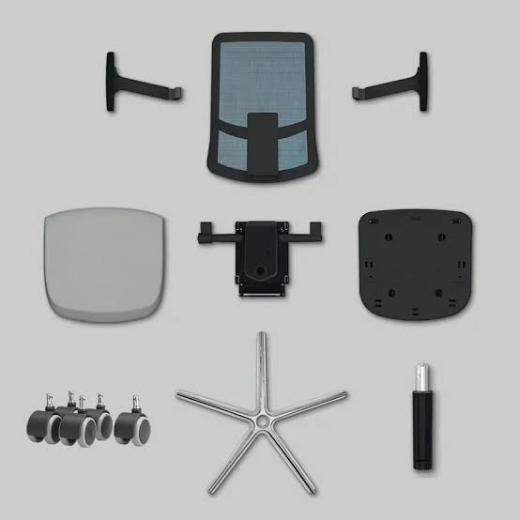
As modern office chairs become more ergonomic and modular, individual components now play a much larger role in product performance. A chair's comfort, safety, and lifespan are heavily influenced by the quality of its gas lift cylinder, mechanism plate, caster system, chair base, armrests, and structural frame.
A proper chair parts guide today must go beyond simple product selection. It must help buyers understand engineering standards, compatibility systems, lifecycle costs, and manufacturing coordination.
What Should Buyers Understand Before They Buy Chair Parts?
Why Modern Office Chairs Are Built as Integrated Systems
One of the biggest misconceptions in the market is that office chair components are universally interchangeable.
In reality, modern ergonomic chairs operate as integrated mechanical systems. Every component affects the performance of the others.
For example:
Gas lift height affects ergonomic posture
Mechanism plate geometry influences recline balance
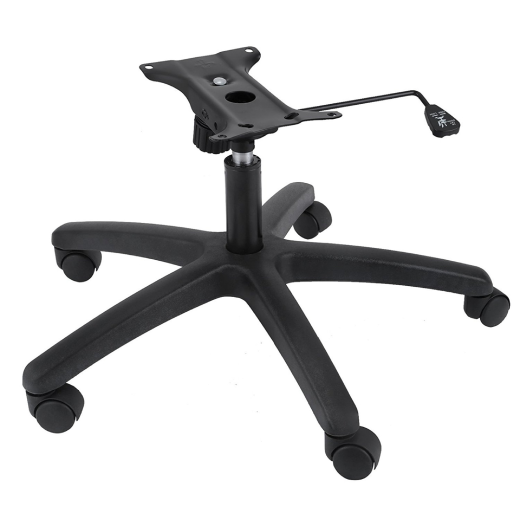
Chair base diameter impacts stability
Casters determine movement resistance
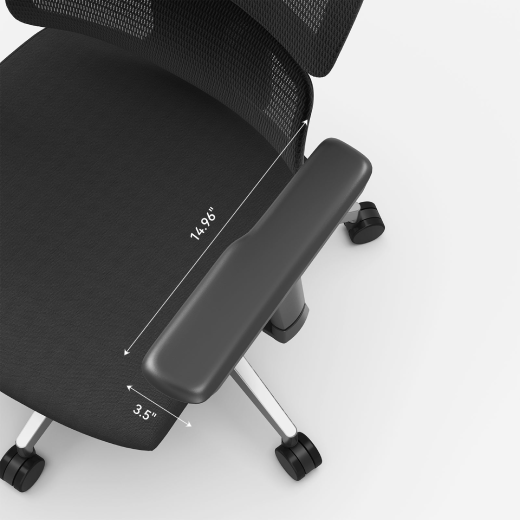
Armrest positioning affects shoulder support
A poorly matched component can negatively affect the entire chair.
This is why experienced buyers increasingly evaluate system compatibility rather than purchasing isolated parts individually.
Why Compatibility Is the Most Important Buying Factor?
When considering how to buy chair parts initially focus on price, but compatibility quickly becomes the real issue.
Common compatibility problems include:
Incorrect gas lift diameter
Non-standard caster stems
Mechanism hole spacing mismatch
Chair base taper inconsistencies
Armrest mounting incompatibility
Even small dimensional variations can create assembly failures.
This is especially problematic for:
Office chair refurbishing companies
Furniture distributors
Aftermarket replacement suppliers
Commercial seating projects
Professional buyers increasingly request detailed technical drawings, dimensional tolerances, and assembly verification before placing bulk orders.
Why Buyers Now Prioritize Long Term Durability?
Modern office environments place heavy stress on chair systems.
Commercial seating in:
Call centers
Co-working spaces
Government offices
Universities
Healthcare facilities
often operates continuously for long periods.
As a result, buyers increasingly prioritize:
Fatigue resistance
Structural durability
Material consistency
Weight bearing capability
Long cycle performance testing
The focus of buying chair parts has shifted from lowest purchase cost to lowest total ownership cost.

How Do Buyers Evaluate Different Office Chair Components?
What Should Buyers Look for in Gas Lift Cylinders?
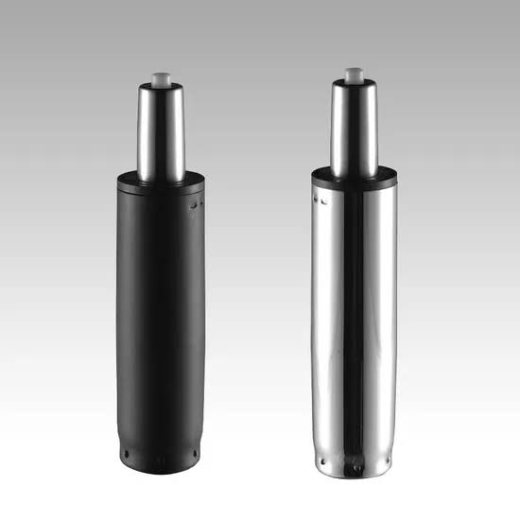
Gas lift cylinders are among the most important office buy chair parts because they directly affect:
Height adjustment
User safety
Seating stability
Ergonomic positioning
Professional buyers increasingly evaluate:
Cylinder class rating
Pressure stability
Anti-explosion structure
Stroke length consistency
Long cycle fatigue resistance
Low quality cylinders may leak pressure, lose stability, or fail under repeated usage cycles.
Why Mechanism Plates Define Ergonomic Performance?
The mechanism plate acts as the functional core of ergonomic office seating.
Modern buyers increasingly seek:
Synchronized tilt systems
Multi lock recline positions
Adjustable tilt tension
Sliding seat mechanisms
Poorly designed mechanisms often cause:
Noise during movement
Tilt imbalance
Structural cracking
Reduced comfort over time
This is especially important in premium ergonomic office seating markets where user expectations are significantly higher.
Why Casters Are More Technical Than Most Buyers Expect?
When choosing to buy chair parts, casters were traditionally viewed as low value accessories. That perception has changed.
Today’s buyers carefully evaluate:
Wheel material
Noise reduction
Floor compatibility
Rolling resistance
Load capacity
Bearing durability
Different environments require different caster systems:
Hard floors
Carpeted offices
Static sensitive environments
Heavy duty commercial spaces
Poor caster selection can damage flooring, reduce mobility, and increase user fatigue.
Why Chair Bases Influence Structural Safety?
The chair base is one of the most critical load bearing components.
Buyers increasingly compare:
Nylon vs aluminum bases
Reinforced structural ribs
Weight distribution
Impact resistance
Long term deformation resistance
A weak chair base creates major safety risks, especially in high frequency commercial use.
This is why professional buyers increasingly prioritize structural testing rather than appearance alone.
Why Are Manufacturing Systems Important in a Chair Parts Guide?
Why Production Coordination Improves Product Consistency?
One of the biggest hidden problems in the office chair industry is fragmented manufacturing.
Many suppliers outsource:
Casters to one factory
Mechanisms to another
Armrests to separate vendors
Chair bases from external producers
This often creates:
Compatibility inconsistencies
Color variation
Uneven quality standards
Assembly problems
Integrated manufacturing systems help reduce these issues significantly.
For example, FSGROWING operates specialized workshops that work together to produce different components that you can choose to buy chair parts, including casters, chair bases, gas lift cylinders, mechanism plates, seat shells, backrests, headrests, armrests, and more.
This type of coordinated manufacturing structure helps improve:
Dimensional consistency
Material standardization
Product compatibility
Supply chain coordination
Batch stability
Global buyers increasingly prefer suppliers capable of managing multiple component categories under unified production systems.
Why Material Selection Is a Major Buying Decision?
Many chair failures originate from poor material engineering rather than visible manufacturing defects.
Professional buyers increasingly analyze:
Reinforced nylon composition
Steel thickness
Aluminum alloy grade
PU wheel density
Surface coating quality
Material quality directly affects:
Lifespan
Structural strength
Environmental resistance
User comfort
This is why experienced procurement teams often request material specifications before approving suppliers.
Why Certifications Matter in Office Chair Buying Decisions?
Modern buyers increasingly search for certified chair components because certifications reduce procurement risk.
Commonly requested standards include:
BIFMA testing
ISO manufacturing systems
SGS verification
RoHS compliance
These certifications help buyers evaluate:
Safety performance
Durability
Environmental compliance
Manufacturing consistency
Certification has become a key competitive factor in international office furniture sourcing.
How Will the Future of Chair Parts Purchasing Evolve?
Why Sustainability Is Changing Buyer Behavior?
Environmental concerns are reshaping the office furniture industry.
Many companies now prefer repairable furniture systems instead of replacing complete chairs.
This increases demand for:
Replacement armrests
New casters
Gas lift cylinders
Mechanism upgrades
Seat shell replacements
The repair and refurbishment market is becoming a major driver of chair parts demand.
Why Buyers Increasingly Focus on Lifecycle Cost?
The cheapest component is not always the most economical.
Low quality parts often create:
Warranty claims
Labor replacement costs
Customer dissatisfaction
Shorter product lifespan
As a result, buyers increasingly evaluate:
Total durability
Maintenance frequency
Replacement intervals
Long term operational cost
This shift strongly benefits higher quality component suppliers.
Why Technical Expertise Is Becoming Essential
The office chair industry is becoming more engineering-focused.
Modern buyers increasingly expect suppliers and distributors to understand:
Ergonomics
Structural mechanics
Material science
Certification systems
Logistics compatibility
Simple trading capability is no longer enough.
The future of the chair parts industry will increasingly reward companies with stronger technical understanding and integrated manufacturing coordination.
FAQ: Deep Industry Questions About Buying Office Chair Parts
What is the biggest mistake buyers make when purchasing chair parts?
The most common mistake is assuming components are universally compatible. Small dimensional differences can create major installation problems.
How do buyers identify high quality office chair components?
Professional buyers evaluate:
Material specifications
Fatigue testing
Certification standards
Dimensional consistency
Long cycle durability
Appearance alone is not a reliable indicator of quality.
Are expensive chair parts always better?
Not necessarily. Higher pricing does not automatically guarantee better engineering or compatibility. Buyers should evaluate performance data and manufacturing consistency rather than cost alone.
Why do some office chair components fail quickly?
Common causes include:
Inferior materials
Weak structural design
Poor fatigue resistance
Low quality bearings
Inadequate testing
Many failures originate from hidden engineering weaknesses rather than visible defects.
Why are integrated manufacturers becoming more important?
Integrated manufacturers improve:
Product compatibility
Quality consistency
Supply chain stability
Batch coordination
This reduces procurement risks for distributors and large buyers.
What trends will shape the future office chair buying guide market?
Key trends of office chair buying guide include:
Ergonomic customization
Sustainable replacement systems
Smart manufacturing
Higher certification requirements
Long lifecycle office furniture design
The office chair industry is evolving from basic furniture production into a highly specialized engineering driven supply ecosystem where component quality determines long term product value.
How to Choose a Reliable OEM Chair Parts Supplier?
How Global Buyers Evaluate Office Chair Parts Safety?
Latest Blog