
NEWS
Data is empty
Common Chair Problems: How to Fix Office Chair Issues
Office chairs are designed to withstand years of daily use, but even high quality models eventually develop performance issues. From sinking seats and broken casters to loose armrests and malfunctioning tilt mechanisms, chair failures are among the most common workplace equipment problems.
Search trends show that users frequently look for terms such as fix office chair, repair chair parts, and chair repair kit because replacing an entire chair is often far more expensive than repairing a specific component. However, identifying the root cause of a chair problem requires a deeper understanding of how modern office chairs are engineered.
Why Do Office Chairs Fail Over Time?
What Are the Most Common Office Chair Problems Reported by Users?
Office chairs are subjected to thousands of movement cycles every year. Every adjustment, lean, swivel, and roll places stress on multiple interconnected components.
The most frequently reported issues include:
Chair sinking unexpectedly
Broken or worn casters
Loose armrests
Tilt lock failure
Backrest instability
Excessive wobbling
Cracked chair bases
Noisy movement during use
Damaged seat cushions
Gas lift cylinder malfunction
While these issues may appear unrelated, they are often connected through wear patterns that develop across the chair's structural system.
Why Does Normal Daily Use Cause Progressive Wear?
Most users underestimate the forces generated during routine chair usage.
For example:
Leaning backward creates stress on the mechanism plate.
Frequent rolling affects caster bearings.
Weight shifts impact the chair base and gas lift cylinder.
Armrest usage generates torque on mounting points.
Continuous reclining increases wear on moving joints.
Over time, these repetitive loads create fatigue in materials and fasteners, eventually leading to performance issues.
Is Chair Failure Usually Caused by a Single Component?
In many cases, no.
Modern office chairs function as integrated systems. When one component begins to deteriorate, additional stress is transferred to neighboring parts.
For example:
A damaged caster can create uneven movement, increasing stress on the chair base.
A failing gas lift can place abnormal loads on the mechanism.
A loose backrest may accelerate wear on the seat shell and mounting hardware.
Understanding these relationships is critical when attempting to fix office chair problems correctly.
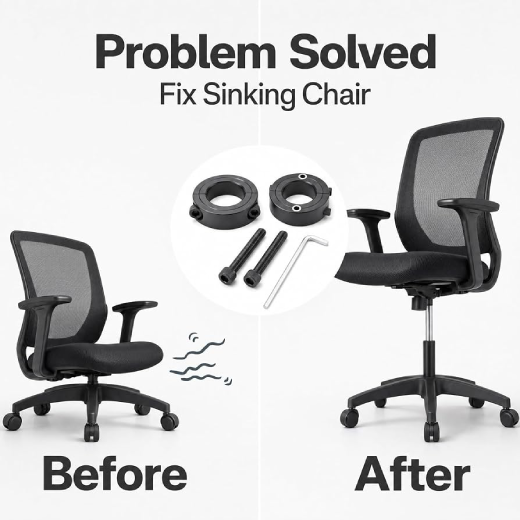
How Can You Fix a Sinking Office Chair and Other Mechanical Problems?
Why Does an Office Chair Keep Sinking?
Among all chair complaints, sinking seats remain one of the most searched issues online.
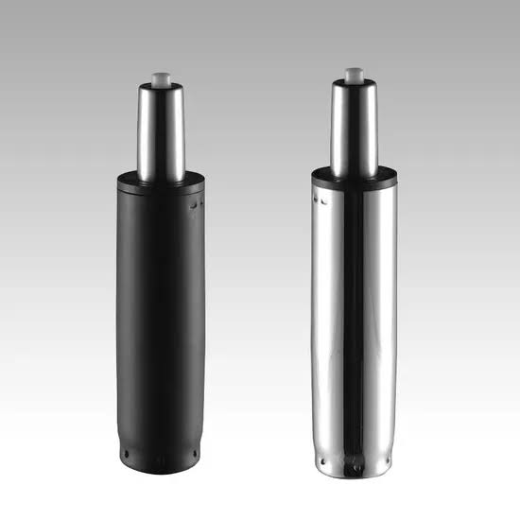
The primary cause is usually a worn gas lift cylinder.
The gas lift controls seat height using compressed gas sealed within a precision-engineered cylinder. Over time, seal degradation can reduce internal pressure, preventing the cylinder from maintaining the selected height.
Signs of gas lift failure include:
Gradual height loss
Sudden seat drops
Difficulty adjusting height
Uneven movement
In most cases, replacing the cylinder is more effective than attempting temporary fixes.
What Causes Chair Tilt Mechanism Failure?
The tilt mechanism is one of the most heavily stressed chair components.
Common symptoms include:
Tilt lock not engaging
Chair leaning excessively
Uneven reclining motion
Clicking noises during movement
These problems often result from:
Worn springs
Damaged locking systems
Loose mounting bolts
Fatigued mechanism plates
Because tilt systems contain multiple moving parts, diagnosis should focus on the entire assembly rather than a single visible symptom.
Why Does an Office Chair Become Wobbly?
A wobbly chair often indicates structural wear.
Potential causes include:
Loose fasteners
Worn gas lift interfaces
Cracked seat shells
Damaged chair bases
Excessively worn caster stems
Many users mistakenly assume wobbling originates from the base alone. In reality, movement can develop at several connection points simultaneously.
Accurate diagnosis requires inspecting the complete load bearing structure.
Which Chair Parts Wear Out First and How Should They Be Repaired?
Are Casters the Most Frequently Replaced Chair Components?
Casters experience constant movement and floor contact, making them among the highest-wear components in any office chair.
Common caster issues include:
Wheel cracking
Bearing failure
Debris accumulation
Reduced rolling performance
Floor damage
Regular inspection can prevent premature wear from affecting other structural components.
Why Do Chair Bases Crack or Fail?
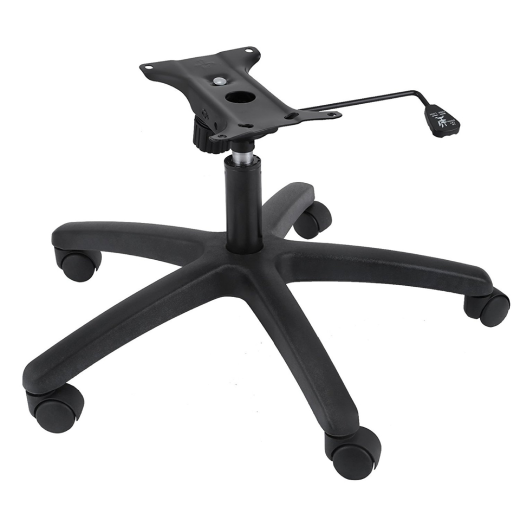
The chair base serves as the primary load distribution structure.
Over years of use, chair bases may experience:
Material fatigue
Impact damage
Manufacturing defects
Excessive loading
Stress concentration around caster sockets
Heavy duty work environments place even greater demands on chair bases, making quality materials and structural design especially important.
How Important Are Seat Shells, Armrests, and Backrests?
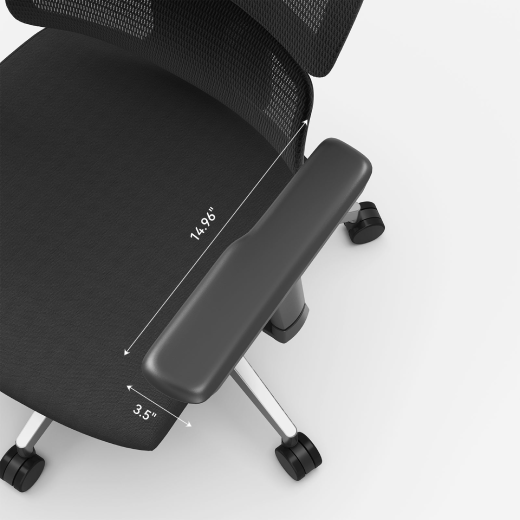
Although these components receive less attention than gas lifts or mechanisms, they significantly influence user experience.
Common failures include:
Armrest pad deterioration
Cracked mounting brackets
Backrest loosening
Seat shell fractures
Adjustment lock failures
When these issues appear, replacing individual repair chair parts is often more economical than replacing the entire chair.
Why Are Chair Repair Kits Becoming More Popular?
A growing number of businesses and consumers prefer component-level maintenance.
A chair repair kit may contain:
Replacement casters
Gas lift cylinders
Fasteners
Mechanism components
Mounting hardware
The popularity of chair repair kits reflects a broader trend toward sustainable furniture management and lifecycle extension.
How Can Better Component Design Reduce Chair Problems?
What Makes Some Chairs Last Significantly Longer Than Others?
Longevity often depends on component quality rather than appearance.
High performance chairs typically incorporate:
Reinforced chair bases
Precision gas lift cylinders
Durable mechanism plates
High strength seat shells
Wear resistant casters
The interaction between these components determines overall durability.
Why Does Manufacturing Integration Matter?
One challenge within the office furniture industry is maintaining consistent quality across multiple components.
Leading manufacturers increasingly adopt specialized production systems where different workshops focus on specific chair parts while maintaining coordinated quality control.
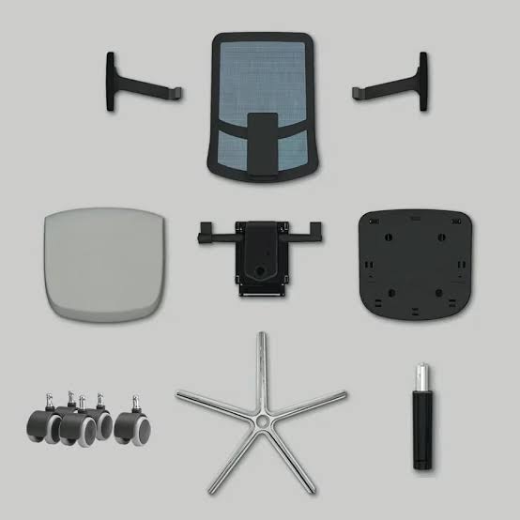
For example, FSGROWING utilizes specialized workshops that work together to produce different office chair components, including casters, chair bases, gas lift cylinders, mechanism plates, seat shells, backrests, headrests, armrests, and more.
This integrated manufacturing approach helps improve compatibility between components and supports long-term product reliability.
From an engineering perspective, a chair performs best when all structural parts are designed to function together rather than being sourced independently without system-level coordination.
Should Businesses Repair or Replace Office Chairs?
The answer depends on the condition of the structural framework.
Repair is often recommended when:
Only one or two components are worn
The chair frame remains structurally sound
Replacement parts are readily available
Downtime costs are minimal
Replacement may be more practical when:
Multiple major components have failed
Structural cracks are present
Repair costs approach replacement costs
The chair no longer meets ergonomic requirements
A lifecycle based assessment typically delivers the most cost-effective outcome.
Frequently Asked Questions About Office Chair Repairs
What is the easiest way to fix office chair sinking?
Replacing the gas lift cylinder is generally the most reliable solution. Temporary fixes often fail because they do not address the underlying pressure loss inside the cylinder.
How long do office chair parts typically last?
Most components last between 3 and 10 years depending on usage intensity, user weight, environmental conditions, and product quality.
Can all office chair parts be replaced?
Many components can be replaced, including casters, chair bases, gas lifts, armrests, mechanism plates, and backrests. Availability varies by manufacturer and chair model.
Is buying a chair repair kit worth it?
For chairs with isolated component failures, a chair repair kit can significantly reduce costs compared to replacing the entire chair.
What is the most common reason office chairs become unstable?
Instability often results from wear in multiple areas, including the gas lift, mechanism, chair base, or mounting hardware. A complete inspection is usually necessary to identify the true cause.
Most common chair problems are not sudden failures but the result of gradual wear across interconnected components. Understanding how casters, chair bases, gas lifts, mechanism plates, seat shells, and backrests work together allows users to diagnose issues more accurately and make informed repair decisions.
Whether the goal is to fix office chair instability, source reliable repair chair parts, or select a suitable chair repair kit, focusing on component quality and system-level performance remains the most effective strategy for maximizing chair lifespan and minimizing long-term maintenance costs.
Modular Chair Parts 2026: Design & Innovation
Top Rated Heavy Duty Chair Bases with High Weight Capacity
Latest Blog