
NEWS
Data is empty
Different Types of Recliner Mechanisms
Understanding the types of recliner mechanism is essential for both furniture buyers and manufacturers. While recliners may look similar externally, the internal mechanism determines everything—from comfort and motion smoothness to durability and long term maintenance.
Search data shows that users are not just asking “what types exist,” but more specific questions like:
Which recliner mechanism is best for heavy weight?
What are lift chair mechanism details?
Which recliner mechanism lasts the longest?
What Are the Main Types of Recliner Mechanism and How Do They Work?
What defines a recliner mechanism system?
A recliner mechanism is a mechanical assembly composed of linkages, springs, pivot joints, and sometimes motors that control the synchronized movement of the backrest and footrest.
At a structural level, all systems fall into two primary categories:
1. Manual Recliner Mechanisms (What are the simplest recliner systems?)
Manual systems rely entirely on mechanical force:
Lever or handle release
Push back body weight activation
Spring loaded return systems
These mechanisms are valued for:
Simplicity
Low failure rate
Easy repairability
Typical subtypes include:
Push back recliner
Handle operated recliner
2 way and 3 way recliner systems
Key insight: Manual systems dominate entry-level and high-volume furniture production due to cost efficiency.
2. Power Recliner Mechanisms (Why are electric systems becoming dominant?)
Power recliners introduce electromechanical actuation:
DC motor driven linear actuators
Hand controls or button panels
Transformer based power systems
These systems enable:
Infinite reclining positions
Independent backrest and footrest adjustment
Additional features like lift or zero gravity
Modern designs include single-motor, dual-motor, and even three-motor systems, each increasing precision and ergonomic flexibility
Key insight: Power recliners are now the standard in premium and medical seating markets.

What Are the Most Common Types of Recliner Mechanism by Use Case?
Users don't just search for types—they search for applications. Below are the most relevant mechanism categories aligned with real-world usage.
1. Push-Back Recliner Mechanism (Is it still relevant today?)
Push back recliners operate without handles:
Recline by applying body pressure
Return upright via spring tension
Advantages:
Minimal mechanical complexity
Clean design (no visible hardware)
Limitations:
Limited angle control
Requires physical effort
Best for: minimalist furniture and low cost production
2. Handle / Lever Recliner Mechanism (Why is it still widely used?)
This is one of the most common chair recliner mechanism types:
Cable driven release system
Ratchet locking positions
Advantages:
Precise control
Proven durability
Easy maintenance
Best for: mid range furniture and long-term reliability
3. Power Recliner Mechanism (What makes it the best recliner chair mechanism?)
Power systems use motors to automate movement:
Smooth, controlled reclining
Adjustable speed and positioning
Integrated electronics
High quality systems offer:
Silent operation
Soft start and soft stop motion
Multi position memory
Best for: luxury seating, home theaters, ergonomic applications
4. Wall Hugger Recliner Mechanism (How does space saving design work?)
Wall hugger systems:
Slide forward while reclining
Require minimal wall clearance (6–10 inches)
This solves a major user concern: space constraints.
Best for: apartments, compact layouts
5. Lift Chair Mechanism (What are lift chair mechanism details?)
Lift recliners are specialized systems combining:
Reclining motion
Forward tilt and elevation
Technical components include:
Scissor lift mechanism
Low voltage DC motor
Hand control interface
The system:
Raises the user to a near-standing position
Reduces strain on knees and back
Lift chairs rely on scissor mechanisms that extend and retract during motion, creating controlled elevation
Best for: elderly users, rehabilitation, medical environments
6. Heavy Duty Recliner Mechanism (What makes a recliner “heavy duty”?)
Primary keyword: heavy duty recliner mechanism
Heavy duty systems are engineered for:
High load capacity (300–500+ lbs)
Frequent use cycles
Structural reinforcement
Key features:
Heavy gauge steel frames
Reinforced pivot joints
High cycle fatigue resistance
High end models use industrial-grade steel and riveted joints to maintain smooth operation over time
Best for: commercial furniture, bariatric seating, high-use environments
7. Swivel, Rocker, and Glider Recliner Mechanisms (Why add motion complexity?)
These hybrid mechanisms combine reclining with:
Rotation (swivel)
Oscillation (rocker)
Linear motion (glider)
Best for: lifestyle seating, nurseries, and interactive environments
How to Choose the Right Recliner Mechanism (Based on Real Buyer Intent)
Users searching for recliner mechanism for sale are typically evaluating trade-offs between performance, cost, and durability.
1. Should You Choose Manual or Power Recliner Mechanisms?
Decision framework:
Choose manual if:
Budget is limited
Maintenance simplicity is critical
High durability is required
Choose power if:
Comfort and adjustability matter
Target users include elderly or premium buyers
Advanced features are required
Insight: The shift toward power mechanisms is driven by user experience, not just technology.
2. What Determines a High Quality Recliner Mechanism?
Search data highlights three critical factors:
Durability
Steel thickness
Joint reinforcement
Cycle testing
Smoothness
Motion consistency
Noise level
Gear alignment
Ergonomics
Body support distribution
Reclining angle range
Pressure relief
3. Why Are Multi Function Mechanisms Becoming Popular?
Modern buyers prefer integrated systems:
Recline + swivel + tilt
Multi-axis motion
Compact design
This is where suppliers like FSGROWING fit into the ecosystem.
Their mechanism solutions typically focus on:
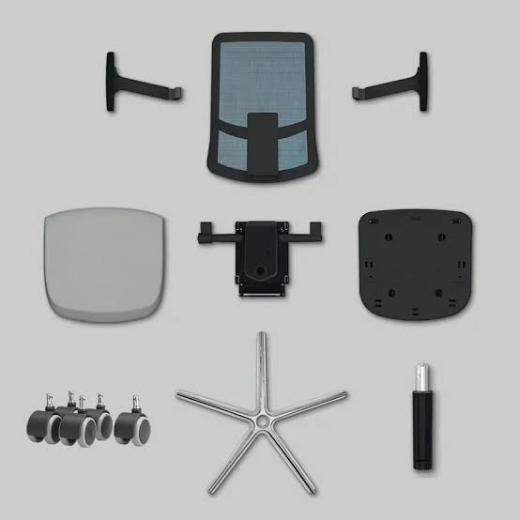
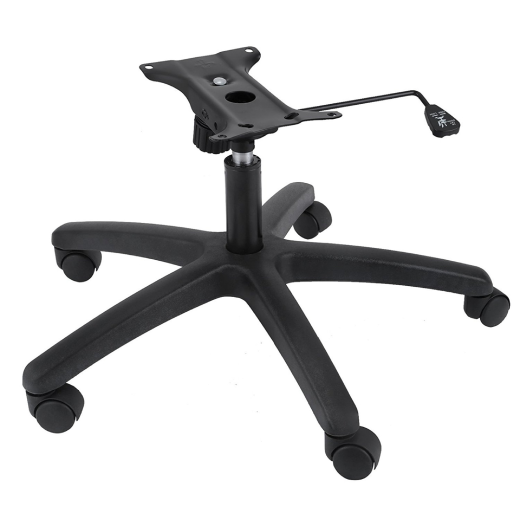
Combined swivel + tilt + reclining systems
Structural durability for repeated motion
Compatibility with office and lounge seating
Rather than being purely consumer facing, these systems align with B2B furniture manufacturing needs, where modularity and reliability are essential.
4. What Are the Most Common Failure Points?
User discussions and repair data show recurring issues:
Broken cables (manual systems)
Motor failure (power systems)
Worn springs or tension systems
Insight: Simpler mechanisms fail less often, but advanced systems deliver better comfort.
Future Trends in Recliner Mechanisms (What Users Will Search Next)
The recliner mechanism market is evolving rapidly toward smart, ergonomic, and durable systems.
1. Multi Motor Recliner Mechanisms
Instead of single motors:
Dual motors separate backrest and footrest control
Triple motors enable headrest and lumbar adjustment
Result: highly personalized seating ergonomics
2. Zero Gravity Recliner Mechanisms
Inspired by aerospace ergonomics:
Elevates legs above heart level
Reduces spinal compression
Increasing demand in health-focused furniture
3. Smart Recliner Mechanisms
Emerging features:
App-based control
Memory positioning
Sensor based adjustments
4. Lightweight Yet Heavy Duty Designs
A key innovation trend:
Stronger materials with reduced weight
Improved structural efficiency
Balances heavy duty recliner mechanism performance with portability
FAQ: Types of Recliner Mechanism
What are the main types of recliner mechanism?
The main types include manual recliner mechanisms, power recliner mechanisms, wall-hugger systems, lift chair mechanisms, and heavy-duty recliner mechanisms.
What is the most durable recliner mechanism?
A heavy duty recliner mechanism made with reinforced steel and high cycle components offers the highest durability.
What are lift chair mechanism details?
Lift chair mechanisms use motorized scissor systems to elevate and tilt the chair, helping users transition from sitting to standing safely.
Are power recliner mechanisms better than manual?
Power recliner mechanisms provide better comfort and adjustability, while manual systems are more durable and cost effective.
Which recliner mechanism is best for heavy people?
Heavy duty recliner mechanisms with reinforced frames and high weight capacity are best for users requiring additional support.
Choosing the Right Recliner Mechanism Is About Application, Not Hype
The term “different types of recliner mechanisms” is not just a classification—it’s a decision framework.
Manual = simplicity and durability
Power = precision and comfort
Lift = accessibility and safety
Heavy duty = strength and longevity
For manufacturers and buyers alike, the key is aligning mechanism design with user needs, not simply choosing the most advanced option.
How Upgrading to Advanced Reclining Mechanisms Cut Warranty Claims by 40%: An Industry Analysis
How Does Chair Recliner Mechanism Work?
Latest Blog