
NEWS
Data is empty
Emerging Trends in Chair Design
Office chairs are no longer viewed as simple workplace furniture. As work environments evolve toward hybrid models, flexible offices, and user-centered spaces, chair design has become a combination of ergonomics, engineering, material science, and technology.
The latest emerging trends in chair design focus on improving human comfort, supporting long working hours, reducing environmental impact, and creating adaptable seating solutions for different users and applications. Businesses purchasing office chairs are increasingly evaluating not only appearance and price but also structural performance, adjustability, durability, and component innovation.
How Is Modern Chair Design Changing the Way We Think About Office Seating?
Why is modern chair design moving beyond traditional aesthetics?
Traditional office chair design often focused on appearance, basic comfort, and simple functionality. However, today's workplace requirements are significantly different.
Employees may spend eight or more hours sitting daily, while companies need furniture that supports productivity, health, and long term usability.
Modern chair design now considers:
Human body movement patterns
Adjustable support systems
Different working postures
Long term sitting comfort
Space flexibility
Product sustainability
Instead of designing chairs around a fixed sitting position, manufacturers increasingly focus on dynamic seating that adapts to continuous human movement.
How are hybrid workplaces influencing chair design trends?
The growth of remote and hybrid work has changed customer expectations.
Users now expect office chairs to provide:
Professional ergonomic support at home
Compact but durable structures
Multiple adjustment options
Better aesthetic integration with residential spaces
This has encouraged manufacturers to develop chairs that combine commercial performance with home friendly designs.
The boundary between office furniture and residential furniture is becoming less clear, creating new opportunities for flexible chair solutions.
Why is customization becoming an important direction in modern chair development?
Different users have different body structures, working habits, and comfort preferences.
As a result, chair manufacturers are focusing on:
Adjustable lumbar support
Custom armrest positioning
Flexible seat depth adjustment
Multi-angle reclining systems
Replaceable components
Customization improves user experience while also helping businesses create differentiated product lines.
What Are the Latest Ergonomic Trends Chair Manufacturers Are Focusing On?
Why are ergonomic trends becoming the core of office chair innovation?
Ergonomics has moved from an optional feature to a fundamental requirement.
The latest ergonomic trends chair solutions focus on supporting natural body movement rather than forcing users into rigid positions.
Key developments include:
Dynamic Back Support
Modern backrests are designed to follow spinal movement. Flexible structures allow users to shift positions while maintaining support.
Adaptive Lumbar Systems
Instead of fixed lumbar cushions, newer designs use adjustable systems that respond to different body shapes.
Advanced Reclining Mechanisms
Modern mechanisms allow smoother transitions between working, relaxing, and collaborative positions.
Pressure Distribution Optimization
Seat structures increasingly focus on reducing pressure concentration through improved foam, mesh, and support designs.
How is material technology improving ergonomic performance?
Materials play a major role in comfort and durability.
Common innovations include:
High-resilience foam materials
Breathable mesh fabrics
Lightweight composite structures
Flexible polymers
Temperature control materials
These materials help chairs maintain comfort during extended use while improving product lifespan.
Are adjustable chairs becoming more important than fixed designs?
Yes.
Fixed designs may work for specific users, but adjustable systems provide greater adaptability.
Important adjustment features include:
Seat height
Seat depth
Armrest height and angle
Reclining tension
Headrest position
Lumbar support intensity
For commercial buyers managing different employee groups, adjustability reduces the challenge of selecting one chair model for diverse users.
How Are Innovation Chair Parts Driving the Future of Chair Manufacturing?
Why are chair components becoming a major focus of innovation?
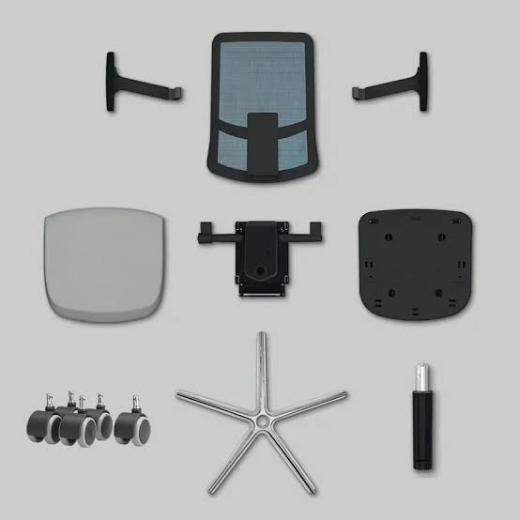
A modern office chair is an integrated mechanical system. Its performance depends heavily on the quality and compatibility of individual components.
The latest innovation chair parts developments include:
Advanced synchronized mechanisms
Lightweight but stronger bases
Improved caster systems
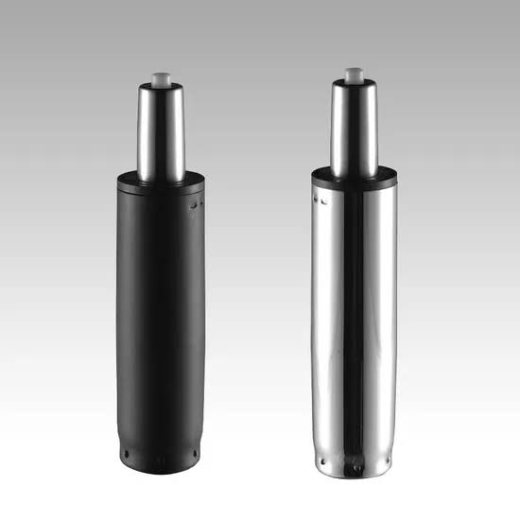
More durable gas lift cylinders
Flexible backrest structures
Modular armrest designs
Component innovation allows manufacturers to improve chair performance without completely redesigning the entire product.
How are modular chair components changing product development?
Modular design enables:
Faster product upgrades
Easier maintenance
Reduced replacement costs
More flexible customization
For example, replacing a damaged caster or armrest becomes much simpler when components follow standardized designs.
This approach benefits both manufacturers and end users by extending product lifecycle.
Why does component manufacturing capability influence final chair quality?
A chair's reliability depends on consistency across multiple parts.
Issues such as:
Incorrect dimensions
Weak connection points
Material inconsistency
Poor assembly compatibility
can reduce overall performance even when the design concept is excellent.
Manufacturers with specialized production capabilities can better control these variables.
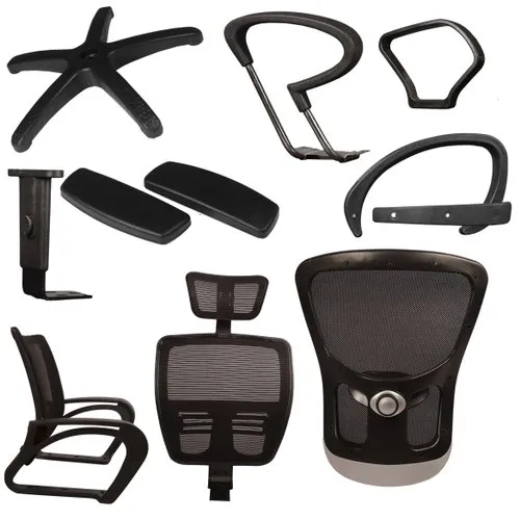
For example, FSGROWING uses specialized workshops that work together to produce different office chair components, including casters, chair bases, gas lift cylinders, mechanism plates, seat shells, backrests, headrests, armrests, and more. This integrated manufacturing structure helps coordinate component quality, dimensional accuracy, and production consistency across different chair systems.
How are smart technologies influencing chair components?
Technology is gradually entering office seating.
Examples include:
Sensors monitoring sitting habits
Smart adjustment systems
Connected workplace furniture platforms
Digital ergonomic analysis
Although smart chairs remain a developing market, these technologies demonstrate how seating is evolving from passive furniture into interactive workplace equipment.
What Future Trends Will Define the Next Generation of Chair Design?
Will sustainable chair design become the industry standard?
Sustainability is becoming one of the most important considerations in furniture development.
Future chair designs are expected to focus on:
Recyclable materials
Longer service life
Replaceable components
Reduced manufacturing waste
Environmentally responsible production
A durable chair that can be repaired instead of replaced provides both economic and environmental benefits.
How will artificial intelligence influence chair development?
AI technologies may improve chair design through:
User posture analysis
Simulation-based product development
Material optimization
Manufacturing quality prediction
By analyzing real-world usage data, designers can create chairs that better match actual human behavior.
Why will lightweight engineering become a major design direction?
Modern businesses increasingly value furniture that is easy to move, install, and maintain.
Lightweight designs can provide:
Lower transportation costs
Easier workplace reconfiguration
Reduced material consumption
Improved sustainability
The challenge is maintaining strength while reducing unnecessary weight.
Advanced materials and optimized structures will continue to play an important role.
Frequently Asked Questions
What are the biggest trends in modern chair design?
The biggest trends in modern chair design include ergonomic adaptability, sustainable materials, modular structures, smart technology integration, and improved component engineering. Manufacturers are moving toward chairs that support different users, working styles, and environments.
Why are ergonomic trends important for office chair development?
The latest ergonomic trends chair designs focus on reducing discomfort caused by prolonged sitting. Adjustable support systems, dynamic backrests, and improved pressure distribution help create healthier and more adaptable seating solutions.
What are innovation chair parts and why do they matter?
Innovation chair parts refer to newly developed components that improve chair functionality, durability, and user experience. Examples include advanced mechanisms, improved caster systems, flexible support structures, and modular adjustment components.
How do chair components affect overall product quality?
Individual components determine important performance factors such as stability, comfort, durability, and safety. A high-quality chair requires consistent performance from parts including bases, gas lifts, mechanisms, casters, armrests, and support structures.
Will traditional office chairs disappear in the future?
Traditional chairs will continue to exist, but market expectations are changing. Future office chairs will likely become more ergonomic, adaptable, sustainable, and technology-enabled rather than simply providing basic seating.
The future of seating is being shaped by a combination of ergonomic science, advanced materials, modular engineering, and user-centered innovation. The latest emerging trends in chair design show that successful office chairs are no longer defined only by appearance but by how effectively they support human movement, workplace flexibility, and long term performance.
Reclining Mechanism Explained
Office Chair Wheels Selection Guide
Latest Blog