
NEWS
Data is empty
Gaming Chair Parts Market: Key Components, Industry Trends, and B2B Sourcing Strategies
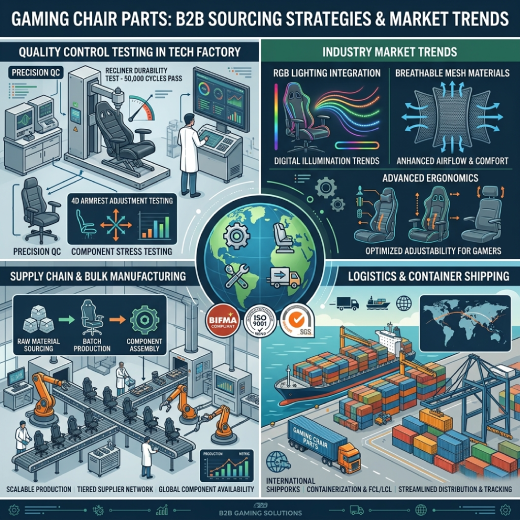
The gaming chair parts market creates opportunities for gaming furniture brands, component manufacturers, wholesalers, and aftermarket suppliers. As gaming chairs increasingly serve gaming rooms, streaming setups, esports facilities, and home offices, buyers need components that balance ergonomic functionality, durability, visual differentiation, and production cost.
1. What Drives Demand in the Gaming Chair Parts Market?
Demand for gaming chair parts comes from three main business segments: new chair manufacturing, product customization, and replacement parts.
New chair manufacturing requires a consistent supply of structural and functional components. Brands need components that match their product specifications, target price points, and expected durability.
Product customization creates demand for distinctive armrests, headrests, chair bases, upholstery, and adjustment mechanisms. These gaming chair accessories help brands differentiate products without redesigning every component.
Replacement demand develops as casters wear, gas lifts lose functionality, upholstery deteriorates, and adjustment mechanisms require repair. Replacement parts can extend product life and support aftermarket sales.
For manufacturers and distributors, these segments have different purchasing requirements. Original equipment production emphasizes repeatability and volume, while replacement markets place greater importance on compatibility, model identification, and manageable inventory.
2. Which Gaming Chair Parts Have the Greatest Impact on Product Performance?
Understanding the function of individual gamer chair components helps buyers prioritize specifications and avoid costly failures.
| Component | Primary function | Key purchasing considerations |
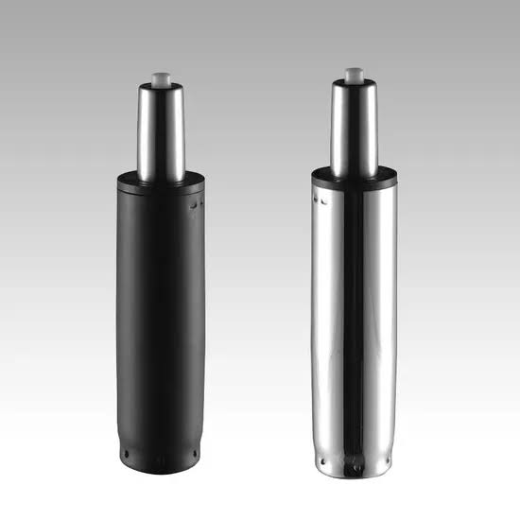
| Gas lift cylinder | Adjusts seat height | Dimensions, stroke, load requirements, durability |
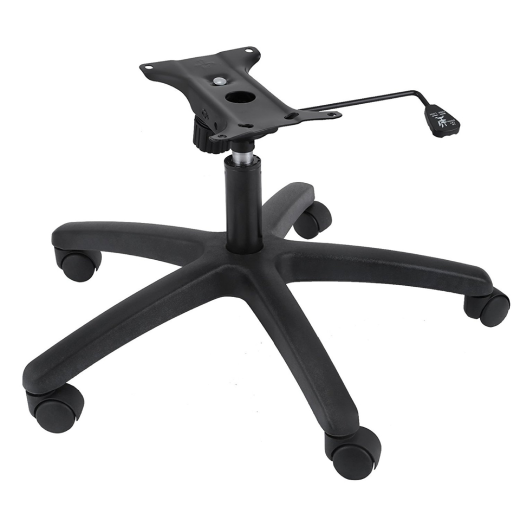
| Chair base | Supports the chair and distributes load | Material, geometry, stability, interface compatibility |
| Casters | Enable movement | Wheel material, floor compatibility, stem dimensions |
| Tilt mechanism | Controls reclining and tilting | Locking functions, mounting pattern, structural performance |
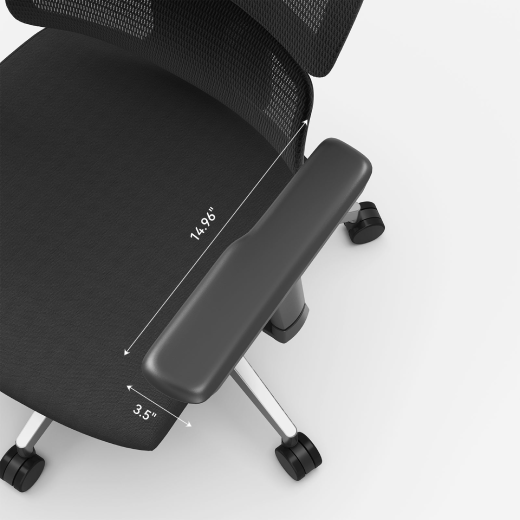
| Armrests | Support the arms and shoulders | Adjustment range, rigidity, mounting strength |
| Backrest and frame | Provide support and structural integrity | Geometry, materials, connection design |
| Headrest | Supports the head in suitable positions | Adjustability, mounting compatibility, stability |
Why are gas lifts, bases, and mechanisms critical in the gaming chair parts market?
These components form an interconnected load-bearing and adjustment system. A gas lift must fit the chair base and mechanism correctly. The mechanism must connect securely to the seat structure, while the base must provide adequate stability for the complete chair.
A component can pass an individual inspection yet still cause problems when assembled with incompatible parts. Buyers should therefore evaluate interface dimensions, tolerances, and complete-chair performance rather than relying solely on component descriptions.
3. How Are Gaming Chair Accessories Used to Differentiate Products?
Gaming chair accessories help brands create product tiers and serve different customer preferences. However, adding features increases component complexity, tooling requirements, assembly steps, and potential failure points.
Which gaming chair accessories provide meaningful commercial value?
Adjustable armrests can support different desk heights and user preferences. Headrests may improve comfort in reclined positions. Upgraded casters can improve movement on particular flooring types, while different upholstery materials influence appearance, breathability, cleaning requirements, and wear.
The commercial value of an accessory depends on whether customers recognize and use its benefits. A more complex armrest may justify a premium price if its adjustment mechanism is durable and easy to operate. If the mechanism develops excessive play or becomes difficult to lock, the added feature can instead increase warranty costs.
For OEM and ODM projects, brands should distinguish between features that improve the user experience and features added mainly for visual differentiation. This helps control costs while keeping the product competitive.
4. What Should B2B Buyers Evaluate When Sourcing Gamer Chair Components?
The gaming chair parts market includes suppliers with different levels of manufacturing specialization. A competitive quotation is useful, but it does not establish that a component will perform consistently in mass production.
How can importers reduce gaming chair component sourcing risks?
First, define the required specifications. Provide drawings, samples, material requirements, interface dimensions, target quantities, and applicable performance criteria.
Second, evaluate samples under realistic assembly conditions. Check whether gas lifts fit the base and mechanism, whether casters remain secure, and whether adjustment mechanisms operate consistently.
Third, verify manufacturing repeatability. The approved sample should become the reference for material, dimensions, appearance, and performance during mass production.
Finally, assess minimum order quantities, lead times, packaging, replacement-part availability, and corrective-action procedures. These factors influence the total cost of sourcing, especially for brands managing several product models.
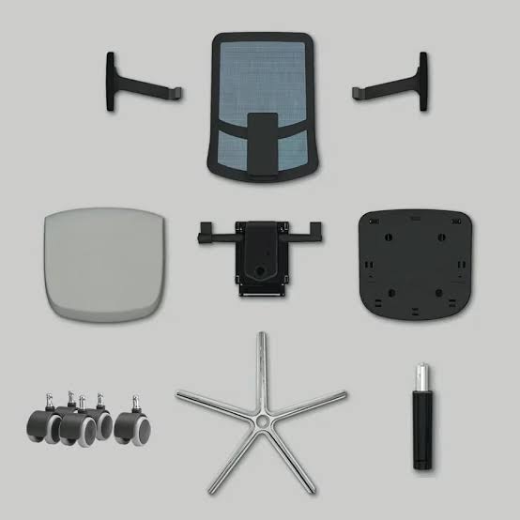
FSGROWING's specialized workshops work together to produce different office chair parts, including casters, chair bases, gas lift cylinders, mechanism plates, seat shells, backrests, headrests, armrests, and more.
5. How Does the Replacement Market Affect Gaming Chair Parts Suppliers?
Replacement demand presents a different opportunity from supplying components for new chairs. Customers may need a single gas lift, a set of casters, an armrest, or a compatible tilt mechanism rather than an entire chair.
Why is compatibility a major challenge for gaming chair replacement parts?
Gaming chairs can vary in mounting dimensions, mechanism designs, stem types, and production generations. Two parts that look similar may not fit the same chair.
For aftermarket suppliers, accurate product identification is essential. Maintaining dimensional drawings, compatibility records, and clear product descriptions can reduce incorrect orders and returns.
Inventory planning also requires care. Stocking every variation can increase warehousing costs, while carrying too few common replacement components can result in missed sales. Suppliers should identify frequently requested parts, track model compatibility, and balance availability against inventory turnover.
Replacement-part availability can also influence brand reputation. Brands that maintain access to compatible components may extend product service life and offer a better customer experience.
6. What Are the Main Cost and Quality Risks in the Gaming Chair Parts Market?
Component price is only one part of the total sourcing cost. Poor quality can lead to assembly rework, rejected batches, freight losses, product returns, and warranty claims.
For example, reducing the specification of a gas lift or chair base without appropriate validation can create structural or functional risks. Similarly, inconsistent caster dimensions can slow assembly and increase the likelihood of loose connections.
B2B buyers should compare suppliers using total delivered cost, quality consistency, lead-time reliability, and after-sales support. Any material substitution or design change should be reviewed against the original technical requirements.
Packaging also deserves attention because gaming chairs and their components travel through multiple handling stages. Suitable protection helps reduce scratches, deformation, and transit damage, particularly for finished metal surfaces and molded plastic components.
7. FAQ: Gaming Chair Parts Market Insights for B2B Buyers
Is the gaming chair parts market limited to new chair manufacturing?
No. It includes original equipment manufacturing, customized component sourcing, replacement parts, and aftermarket distribution. Each segment has different requirements for order quantities, compatibility, and inventory management.
Which gaming chair parts should buyers prioritize during quality inspection?
Start with components that affect structural support, adjustment, and stability, including gas lift cylinders, chair bases, and tilt mechanisms. Also verify caster retention, armrest attachment, and critical mounting dimensions. The inspection plan should reflect the chair's intended use and applicable standards.
Are gaming chair accessories a good opportunity for private-label brands?
They can be, particularly when an accessory provides a clear functional or visual benefit. Before launching a customized accessory, evaluate customer demand, tooling costs, minimum order quantities, durability, and compatibility with existing chair platforms.
How can suppliers reduce returns in the gaming chair replacement market?
Provide accurate dimensions, installation information, and model compatibility details. When fitment cannot be confirmed from the available information, request additional measurements or product identification before accepting the order.
Should gaming chair brands source all gamer chair components from one supplier?
Consolidated sourcing can simplify coordination and reduce interface inconsistencies, but it may increase dependency on a single supplier. Buyers should assess technical capabilities, quality systems, delivery performance, and backup sourcing options before making a decision.
8. Building a Competitive Position in the Gaming Chair Parts Market
Success in the gaming chair parts market depends on more than offering a broad component catalog. Manufacturers and distributors need reliable specifications, compatible components, repeatable production quality, and a clear understanding of replacement demand.
For gaming chair brands, the priority is to balance differentiation with durability and manageable manufacturing costs. For component suppliers, the opportunity lies in helping buyers solve practical problems involving fitment, product consistency, and long-term availability.
If you are developing a gaming chair product line or expanding your component sourcing program, begin by defining the required specifications, interfaces, target volumes, and quality criteria. FSGROWING's office chair component range can provide a starting point for discussing compatible components and broader sourcing requirements.
Latest Blog