
NEWS
Data is empty
Gas Lift vs Hydraulic: for Better Seating Solutions
When it comes to office furniture, especially office chairs, the height adjustment mechanism is a critical component. It determines both the comfort and functionality of the chair, impacting productivity and user experience. Among the most common lift systems in use today are gas lifts and hydraulic systems. Both serve the same purpose—providing adjustable height—but they differ significantly in their design, functionality, and applications. And FSGROWING supplies high quality gas lifts.
What Are Gas Lifts and Hydraulic Systems?
Understanding Gas Lifts: The Basics
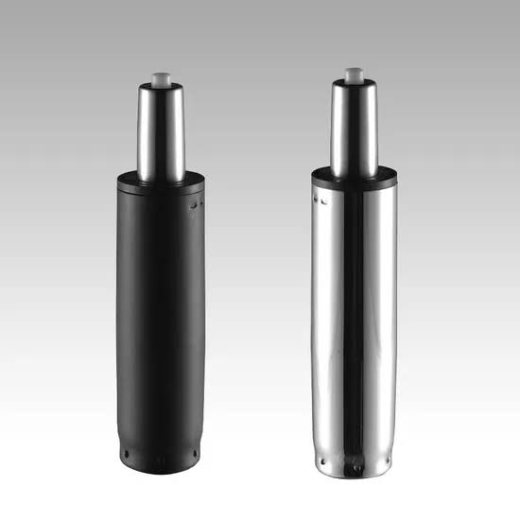
A gas lift is a pneumatic lift mechanism commonly used in office chairs and furniture. It uses compressed gas (usually nitrogen) sealed within a cylinder to facilitate smooth, effortless height adjustments. When you press the lever or pull the control on a chair, the gas inside the cylinder either compresses or decompresses, allowing the chair to move up or down smoothly.
Gas lifts are known for their smooth operation and adjustable performance, which is why they are so widely used in ergonomic office chairs. The mechanism is also designed to be highly durable, providing consistent performance over time, even under heavy use.
FSGROWING, for example, manufactures heavy duty gas lifts that are ideal for office and industrial settings, where durability and comfort are essential.
What About Hydraulic Systems?
Hydraulic lifts, on the other hand, operate using liquid (usually oil) that is sealed within the cylinder. When pressure is applied via a lever or control, the liquid moves through a valve system that raises or lowers the chair. The hydraulic system's main advantage is that it can provide a strong force for heavy lifting, making it suitable for industrial machinery, automotive seats, and certain high-weight applications.
However, hydraulic systems tend to be bulkier and less refined than gas lifts, and they generally require more maintenance. They are more susceptible to leaks, and over time, the liquid within the system can degrade, reducing its effectiveness.
How Do They Compare?
Gas Lift: Operates via pressurized gas for smooth and consistent height adjustment.
Hydraulic System: Uses liquid to control the lift mechanism, offering strong lifting force but with potential for leakage or wear.
While both mechanisms serve similar functions, their design and performance characteristics make them suitable for different environments and applications.

Gas Lift vs Hydraulic: Performance and Durability
Gas Lifts: Performance in Daily Use
Gas lifts are designed to offer consistent, smooth movement, making them ideal for office chairs, conference chairs, and other furniture that needs frequent height adjustments. The performance is generally reliable, and the lifetime of a gas lift can be significant, often lasting several years with minimal maintenance.
The key benefits of gas lifts include:
Easy Adjustability: A quick pull or push on the control lever provides effortless height adjustment.
Low Maintenance: Gas lifts are generally more resistant to wear and tear compared to hydraulic systems.
Smooth Movement: The pressurized gas ensures a smooth and stable experience when adjusting the height of the seat.
Companies like FSGROWING specialize in providing heavy-duty gas lifts, which are engineered for high performance and extended use, making them perfect for both office and industrial environments.
Hydraulic Systems: Heavy Duty Lifting Power
Hydraulic lifts are built to handle heavy loads. Their lifting capacity is greater than that of gas lifts, which makes them ideal for machinery and equipment where robust lifting force is required. However, the trade-off is that hydraulic systems tend to be less efficient in terms of smoothness. They also require more frequent maintenance due to the liquid inside the system.
The key benefits of hydraulic lifts include:
Higher Lifting Capacity: Hydraulic systems can support more weight than gas lifts.
Strong Force: The liquid inside the cylinder allows for a more powerful lift, especially in industrial settings.
Durability in High-Pressure Environments: They're more suitable for heavy-duty applications.
However, the maintenance and operational issues can be a significant downside. The system can lose efficiency over time, and leaks are common.
Comparing Durability: Which Lasts Longer?
While both systems can be durable, gas lifts tend to require less maintenance and have a longer lifespan compared to hydraulic systems. The gas inside the cylinder doesn't degrade over time, whereas the oil in a hydraulic system can suffer from leaks and contamination, requiring more frequent maintenance.
Performance Summary
Gas Lift: Best for ergonomic furniture, offering smooth operation with low maintenance.
Hydraulic System: Suited for heavy machinery and high-pressure environments, though it requires more upkeep.
Applications of Gas Lifts and Hydraulic Systems
Where Are Gas Lifts Used?
Gas lifts are primarily used in office furniture and other furniture systems where adjustable height is essential. Some typical applications include:
Office Chairs: The most common use for gas lifts, offering easy height adjustment for better ergonomics.
Gaming Chairs: Adjustable seats for gamers who need to change their seating positions frequently.
Adjustable Desks: Gas lifts allow users to switch between sitting and standing positions easily.
Because of their smooth operation, gas lifts are also commonly found in task chairs, executive chairs, and conference seating.
Where Are Hydraulic Systems Used?
Hydraulic lifts are typically used in applications requiring heavy-duty performance, such as:
Industrial Equipment: Hydraulic lifts are often used in manufacturing machines, production lines, or warehouses where large weights need to be lifted.
Automotive Seats: Some automotive seats use hydraulic lifts to ensure that the seat can accommodate a variety of user preferences.
Medical and Rehabilitation Equipment: Hydraulic lifts are also found in medical equipment, such as adjustable patient chairs or beds, due to their ability to lift heavy weights.
While gas lifts excel in smooth, lightweight adjustments, hydraulic systems are far better suited for high-load environments.
Frequently Asked Questions About Gas Lifts vs Hydraulic Systems
What's the Major Difference Between a Gas Lift and a Hydraulic Lift?
The main difference lies in the operating mechanism:
Gas Lifts: Use pressurized gas to create smooth, effortless height adjustments.
Hydraulic Systems: Use liquid under pressure to lift heavier loads, often requiring more maintenance and presenting a potential for leaks.
Which Lift System Is Better for Office Chairs?
For most office chair applications, a gas lift is the preferred option. It provides smooth, consistent performance with minimal maintenance and is more suitable for ergonomic needs.
Can Hydraulic Lifts Be Used in Office Chairs?
Hydraulic lifts can be used in office chairs, but they are typically over-engineered for this application. They are better suited for machinery or seating in environments where heavy lifting capacity is needed.
Are Gas Lifts and Hydraulic Systems Interchangeable?
No, gas lifts and hydraulic systems are designed for different purposes. A gas lift is ideal for light to medium-duty use, while a hydraulic system is better for heavy-duty applications. They are not interchangeable due to differences in their mechanics and lifting capacities.
In the gas lift vs hydraulic debate, the choice depends largely on your needs. If you're looking for smooth, adjustable office seating with low maintenance, a gas lift is your best bet. However, if your needs involve heavy-duty applications requiring high lifting force, then a hydraulic system may be more suitable.
For heavy duty requirements in office settings, FSGROWING offers high quality gas lifts designed to endure the demands of both office and industrial environments, ensuring durability and smooth functionality for years to come.
Why Choose Chinese Chair Parts Manufacturer?
How to Choose Chair Parts Supplier?
Latest Blog