
NEWS
Data is empty
Heavy Duty Gas Lift Solutions from FSGROWING
The office furniture industry relies heavily on functional, reliable components to provide ergonomic solutions for both residential and commercial spaces. One such essential component is the gas lift, a critical mechanism that allows users to adjust the height of their office chairs or other seating furniture. When dealing with heavy-duty requirements, such as in industrial or high load environments, it’s crucial to use a gas lift that can endure extra pressure and provide long lasting performance. Companies like FSGROWING specialize in manufacturing robust gas lifts designed to meet these demanding needs, ensuring both comfort and durability for all users.
What Is a Heavy Duty Gas Lift and Why Is It Important?
Defining Heavy Duty Gas Lifts
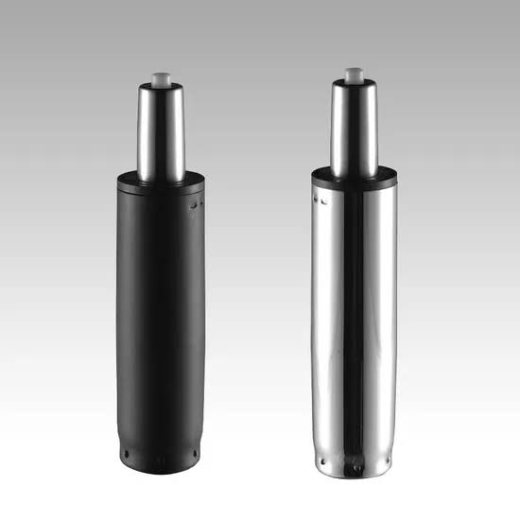
A heavy duty gas lift is a gas cylinder mechanism used primarily in office chairs, workstations, and industrial seating that supports higher weight capacities than standard gas lifts. The purpose of this component is to allow users to easily adjust the height of their seat while maintaining stability, even under significant weight. Typically, heavy-duty gas lifts are designed to support more than 300 pounds (136 kg) compared to standard models that are generally rated for 250 pounds (113 kg).
How Does a Gas Lift Work?
Gas lifts are a type of pneumatic cylinder that utilizes pressurized gas to control the upward and downward movement of a seat. The mechanism operates by using a piston that moves within the cylinder. As the user adjusts the seat, the pressurized gas either compresses or decompresses to provide smooth, controlled height adjustments.
The primary difference between standard and heavy-duty gas lifts lies in the strength of the internal components, including the gas spring and piston shaft. A heavier load requires a more robust design to ensure smooth movement and to avoid premature failure of the gas lift.
Why Is a Heavy Duty Gas Lift Essential?
Heavy duty gas lifts are crucial for specific settings, including:
Industrial and Heavy Duty Chairs: Used in manufacturing, warehouses, or other high-stress environments.
Ergonomic Furniture for Heavier Users: Ensuring optimal support and comfort for individuals with a higher weight.
Long Lasting Durability: Unlike standard models, heavy-duty gas lifts are built to withstand regular use without deteriorating quickly.
Understanding the function and significance of these heavy-duty systems ensures that businesses and users can invest in a reliable, long-lasting solution that improves workplace comfort and safety.

The Different Types of Gas Lifts: Class 4 Gas Lifts and High Weight Gas Cylinders
What Is a Class 4 Gas Lift?
A class 4 gas lift is a specific category within the gas lift classification system that indicates a high-quality gas lift capable of supporting heavier weights. The classification system typically divides gas lifts into classes 1 through 4, with class 1 being the weakest and class 4 being the strongest.
Class 4 gas lifts are often used in office chairs or seating solutions that require a higher weight capacity. They are engineered to provide superior lifting force and longevity, making them ideal for environments that demand both performance and durability. These lifts are built to support up to 330 pounds (150 kg) or more, providing the strength necessary for more robust applications.
How Do Class 4 Gas Lifts Compare to Other Classes?
Class 1: Light-duty, typically used in small chairs or home office setups.
Class 2: Medium-duty, suitable for standard office chairs.
Class 3: Heavy-duty, supports mid-range weight requirements.
Class 4: Extra heavy-duty, designed for high-weight capacities, industrial applications, or ergonomic furniture for larger individuals.
The key advantage of class 4 gas lifts is their superior stability and high weight capacity, ensuring users remain comfortable without worrying about the lift system failing under heavy use.
What Is a High Weight Gas Cylinder?
A high-weight gas cylinder refers to a gas lift designed specifically to support heavy-duty weight loads, often greater than 330 pounds (150 kg). These cylinders have reinforced internal components, such as a thicker piston and durable gas spring, which allow them to function smoothly under high pressure.
High weight gas cylinders are commonly used in:
Industrial office chairs: Built for workers in demanding environments, such as factories or warehouses.
Ergonomically designed furniture: Ensuring comfort for users of various sizes while maintaining functionality.
High stress seating: For environments where the chair or seat will undergo frequent adjustments.
These cylinders are not only about strength; they are also designed for precision and ease of use, ensuring users get smooth adjustments even under high loads.
Common Pain Points in Heavy Duty Gas Lift Selection
What Are the Challenges in Choosing a Heavy Duty Gas Lift?
Selecting the right gas lift for heavy-duty applications can come with its set of challenges:
Inconsistent Quality: Not all heavy-duty gas lifts are built to the same standard. Some may wear out quicker or fail under high-pressure use.
Weight Limit Miscalculations: Misunderstanding the weight capacity of a gas lift can lead to failures or discomfort. It's important to choose a lift that is rated correctly for the intended user.
Compatibility Issues: Not all gas lifts are compatible with every chair or seating unit. Ensuring that the cylinder fits and works properly with the existing components is crucial.
Durability Concerns: Heavy-duty lifts often need to withstand constant use. Ensuring that the lift is made from high-quality materials is key to ensuring long-term performance.
How Can These Challenges Be Overcome?
Research: Researching and choosing reliable suppliers with good reputations, such as FSGROWING, can mitigate issues related to poor quality or incompatible parts.
Consulting Experts: Engaging with experts who understand the technical specifications and performance requirements can guide the selection process.
Testing: Whenever possible, test the gas lift for comfort, stability, and performance before committing to bulk orders.
Ensuring that all these factors are addressed will help ensure that the chosen heavy-duty gas lift performs reliably and lasts longer.
Frequently Asked Questions About Heavy Duty Gas Lifts
What Is the Expected Lifespan of a Heavy Duty Gas Lift?
The lifespan of a heavy-duty gas lift typically ranges from 5 to 10 years, depending on the level of use and maintenance. Frequent use, such as in office settings, can wear out the lift faster if not properly maintained. Regular cleaning and lubrication can extend the lifespan.
How Can I Determine the Right Weight Capacity for a Gas Lift?
To choose the appropriate gas lift, calculate the combined weight of the user plus any additional load. It’s always best to choose a gas lift with a higher weight capacity than necessary to ensure smooth operation and avoid overloading.
Are High Weight Gas Cylinders Compatible with All Office Chairs?
Not all office chairs are designed to accommodate high weight gas cylinders. It’s important to ensure that the chair base, height mechanism, and cylinder are compatible before purchasing. Many manufacturers, including FSGROWING, offer customizable options for different chair designs.
How Do Class 4 Gas Lifts Differ from Class 3 Gas Lifts?
Class 4 gas lifts are designed for higher weight capacities and more demanding environments compared to class 3 lifts. The difference lies in the materials used, the strength of the gas spring, and the cylinder's ability to handle additional pressure. Class 4 lifts are ideal for heavy-duty office chairs and industrial seating applications.
How to Choose Chair Parts Supplier?
Global Chair Parts Market in 2026
Latest Blog