
NEWS
Data is empty
How Global Buyers Evaluate Office Chair Parts Safety?
The global office furniture supply chain is becoming increasingly quality driven. Buyers searching for terms like “ISO certified chair parts quality” are no longer asking basic product questions. Instead, they are trying to understand how manufacturers guarantee safety, durability, and long term performance in highly competitive commercial environments.
Across procurement teams, distributors, and OEM buyers, quality standards have become the central decision factor—not price alone. This shift is largely driven by rising failure costs, stricter corporate procurement policies, and growing expectations for ergonomic reliability in workplace seating systems.
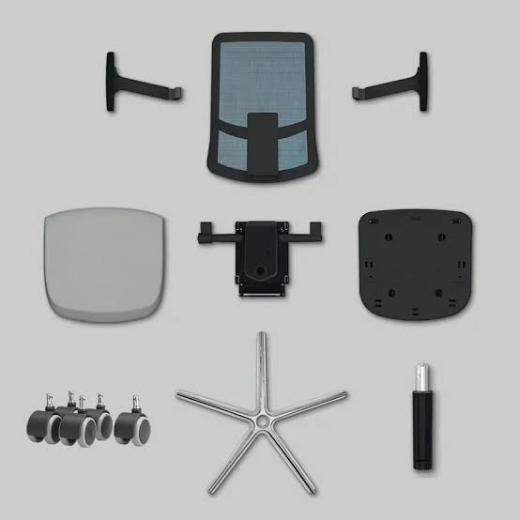
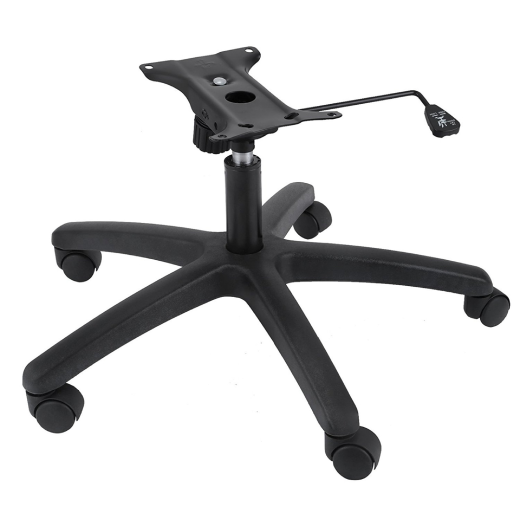
Modern office chairs are no longer simple assemblies. They are engineered systems composed of casters, gas lift cylinders, mechanism plates, bases, and structural frames. Each component must meet strict mechanical and material requirements to ensure stability and long service life.
What Do Chair Parts Quality Standards Really Mean?
Why Chair Parts Quality Is No Longer a Simple Manufacturing Term
In the past, chair parts quality was judged visually—smooth finishing, basic load-bearing ability, and simple functional testing. Today, that definition is no longer sufficient.
Modern buyers evaluate chair parts based on:
Mechanical durability
Fatigue resistance
Material consistency
Dimensional accuracy
Load-bearing certification
Environmental compliance
Industrial buyers increasingly want measurable proof of performance, not subjective claims.
Why Certification Systems Exist in the Furniture Industry
The office furniture industry relies heavily on standardized testing frameworks to ensure safety and performance consistency. One of the most widely recognized systems is ANSI/BIFMA, which defines how chairs and components must perform under long term commercial use.
These standards test critical aspects such as:
Structural integrity under load
Repeated motion durability
Stability during use
Safety under extreme stress conditions
Industry standards like these are designed to ensure that furniture performs reliably in real workplace environments, not just under ideal laboratory conditions.
Certification systems help create a baseline for comparison between suppliers, especially in global sourcing environments where manufacturing quality varies significantly.

What Are the Key Technical Standards Behind Certified Chair Parts?
Why ISO Chair Parts Standards Matter in Global Procurement?
When buyers search for “ISO chair parts,” they are typically looking for evidence that manufacturing processes follow internationally recognized quality management systems.
ISO-based systems ensure:
Controlled production processes
Documented quality inspections
Traceability of raw materials
Consistent manufacturing procedures
Unlike product specific tests, ISO standards focus on process control. This means that even if individual products vary, the production system remains stable and repeatable.
This is critical for bulk procurement where consistency across thousands of units is required.
How Mechanical Testing Defines Certified Chair Parts
These chair parts are not defined by appearance—they are defined by performance under stress.
Typical mechanical tests include:
Load bearing tests for bases and frames
Rotation and cycling tests for casters
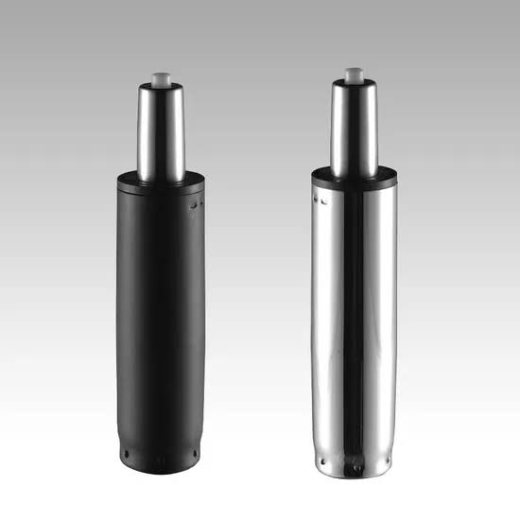
Pneumatic pressure testing for gas lift cylinders
Fatigue testing for tilt mechanisms
Impact resistance tests for structural components
These tests simulate real-world usage cycles over extended periods.
For example, mechanism plates must withstand repeated reclining cycles without deformation, while gas lift cylinders must maintain stable pressure over thousands of height adjustments.
Industry discussions often highlight that hidden structural failures—not visible defects—are the most common cause of chair breakdowns in commercial environments.
Why Material Engineering Is Central to Chair Parts Quality
Material selection plays a critical role in chair parts performance.
Common materials include:
Reinforced nylon for casters and bases
Aluminum alloy for structural frames
Cold-rolled steel for mechanisms
PU and rubber composites for wheels
High pressure hydraulic components for gas lifts
Each material must balance:
Strength
Weight
Flexibility
Wear resistance
Environmental stability
Poor material selection often leads to early fatigue failure, even if the product passes initial testing.
What Do Buyers Actually Look for in Certified Chair Parts?
Why “Certified Chair Parts” Is a Risk Control Strategy
For procurement teams, certification is not just a technical requirement—it is a risk management tool.
Certified chair parts reduce risks such as:
Product recalls
Warranty claims
Safety liability issues
Customer complaints
Long term durability failures
This is especially important for:
Office furniture distributors
Government procurement projects
Corporate workspace suppliers
Education and healthcare seating systems
In these industries, a single product failure can impact large-scale contracts.
Why Compatibility Is a Hidden Quality Issue?
Even when components are certified, compatibility remains a major challenge.
Common issues include:
Mismatched gas lift dimensions
Inconsistent caster stem sizes
Non-standard base mounting systems
Variations in mechanism hole spacing
This is why experienced buyers increasingly demand not only certification but also system-level compatibility assurance.
Why Integrated Manufacturing Improves Quality Stability?
One of the most effective ways to improve consistency in chair parts quality is through integrated manufacturing systems.
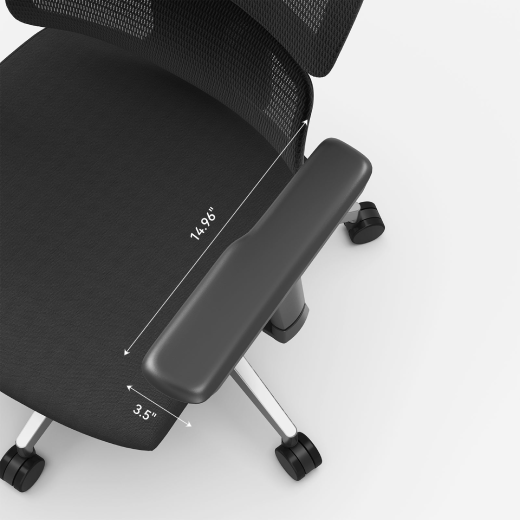
For example, FSGROWING operates specialized workshops that work together to produce different office chair components, including casters, chair bases, gas lift cylinders, mechanism plates, seat shells, backrests, headrests, armrests, and more.
This type of coordinated production structure helps ensure:
Dimensional consistency across components
Better material standard control
Reduced compatibility errors
More stable batch-to-batch quality
Improved system-level performance
In global sourcing, buyers increasingly value suppliers who can coordinate multiple component categories under unified quality control systems rather than fragmented production sources.
What Are the Biggest Industry Pain Points in Chair Parts Quality?
Why Hidden Defects Are the Most Expensive Problem?
One of the biggest challenges in chair parts quality is that many failures are not visible during inspection.
Examples include:
Internal fatigue in metal frames
Gas leakage in lift cylinders
Micro cracks in molded plastic components
Bearing wear inside casters
These issues often appear only after months of use, making them difficult to detect during standard QC processes.
This is why buyers increasingly demand long-cycle durability testing rather than simple appearance inspection.
Why Inconsistent Testing Standards Create Market Confusion?
In some cases:
Suppliers claim compliance without third party testing
Testing conditions vary between labs
Different regions apply different standards
Documentation is incomplete or non verifiable
This creates uncertainty for global buyers who need reliable benchmarking.
Why Cost Cutting Often Leads to Quality Failure?
Many chair part failures originate from cost optimization decisions:
Lower grade steel substitutions
Reduced material thickness
Simplified welding processes
Lower cycle testing thresholds
While these decisions reduce manufacturing cost, they often significantly shorten product lifespan.
Over time, this leads to higher total cost of ownership for buyers due to replacements and warranty claims.
FAQ: Deep Industry Questions About Chair Parts Quality Standards
What defines “chair parts quality” in industrial procurement?
Chair parts quality is defined by measurable performance factors such as load capacity, fatigue resistance, material strength, and compliance with recognized industry standards like ISO and BIFMA.
Are ISO chair parts automatically high quality?
Not necessarily. ISO certification ensures process control, but product level quality still depends on material selection, engineering design, and manufacturing execution.
Why do certified chair parts still fail in real use?
Failures often occur due to:
Improper system integration
Inadequate fatigue testing
Material inconsistencies
Compatibility mismatches between components
Certification reduces risk but does not eliminate design or usage issues.
What is the most important factor in chair parts durability?
Fatigue resistance is the most critical factor, especially for components like gas lifts, mechanisms, and caster systems that undergo repeated mechanical cycles.
Why do buyers prefer integrated suppliers?
Integrated suppliers provide better control over:
Component compatibility
Material consistency
Batch stability
System level performance
This reduces overall procurement risk.
Is the demand for certified chair parts increasing?
Yes. Global demand is increasing due to:
Workplace safety regulations
Ergonomic awareness
Longer furniture lifecycle expectations
Growth in corporate procurement standards
The chair parts industry is transitioning from basic manufacturing toward a fully standardized, engineering-driven supply ecosystem focused on safety, reliability, and long term performance.
Chair Parts Buying Guide in 2026
How Furniture Parts Suppliers Reduce Shipping Damage?
Latest Blog