
NEWS
Data is empty
How Should You Replace Office Chair Components?
Office chairs are among the most heavily used pieces of furniture in modern workplaces, yet many organizations struggle to determine when a chair should actually be replaced. Some chairs are discarded too early, increasing operational costs, while others remain in service long after their performance, comfort, and safety have deteriorated.
How Long Should an Office Chair Last Before Replacement Is Necessary?
What Is the Average Lifespan of an Office Chair?
Many buyers assume all office chairs have a similar service life, but actual lifespan varies significantly depending on quality and usage.
Entry level office chairs often last 3–5 years.
Mid-range ergonomic chairs typically remain functional for 5–8 years.
Premium commercial seating systems may exceed 10 years with proper maintenance.
However, age alone should not determine replacement decisions.
A five-year-old chair used occasionally may outperform a two-year-old chair operating continuously in a 24/7 workplace.
Why Do Usage Patterns Matter More Than Calendar Years?
The true aging process of an office chair is measured by usage cycles rather than time.
Every day, an office chair experiences:
Sitting and standing movements
Reclining adjustments
Height changes
Rolling motion
Weight shifts
Armrest pressure
In busy environments such as call centers, control rooms, healthcare facilities, and shared offices, a chair may experience several times more mechanical stress than a chair used in a private office.
This explains why identical chair models often exhibit dramatically different lifespans.
Which Components Usually Wear Out First?
Contrary to popular belief, most office chairs are not replaced because of catastrophic structural failure.
More commonly, users notice gradual deterioration in comfort and functionality.
The components that typically wear first include:
Seat cushions
Casters
Gas lift cylinders
Armrest pads
Tilt mechanisms
Upholstery materials
These parts often reach the end of their useful life before the chair's structural frame does.
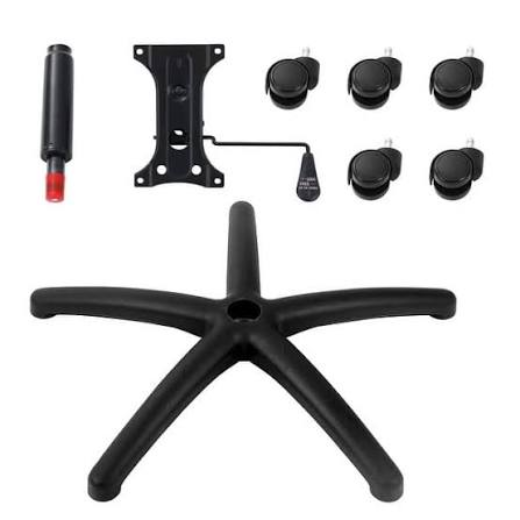
Should You Replace the Entire Chair or Just the Worn Components?
When Does Office Chair Seat Replacement Make More Sense?
One of the most common complaints among office workers involves seat discomfort.
Over time, seat cushions lose resilience and become compressed.
Common warning signs include:
Reduced cushioning support
Permanent foam indentation
Uneven seating surface
Increased pressure points
Lower back discomfort
In many cases, an office chair seat replacement can restore comfort without replacing the entire chair.
For businesses managing large furniture inventories, component replacement often delivers significant cost savings.
Why Is Chair Cushion Replacement Becoming More Common?
As sustainability becomes a growing concern, organizations are increasingly adopting repair-first maintenance strategies.
Chair cushion replacement has become particularly popular because the seat experiences direct and continuous loading throughout the chair's life.
The cushion absorbs:
Body weight
Dynamic movement
Postural shifts
Temperature fluctuations
Moisture exposure
These factors gradually degrade foam structure and reduce ergonomic performance.
Replacing the cushion can often restore a chair's comfort profile while extending its service life by several years.
What Happens When Foam Seat Cushions Break Down?
A foam seat cushion chair relies on cellular foam structures to distribute pressure evenly across the seating surface.
Over time, foam degradation can cause:
Loss of support
Increased fatigue
Poor posture
Reduced blood circulation
User discomfort
Higher density foam generally offers longer service life because it better resists compression fatigue.
However, even premium foam materials eventually lose elasticity after years of continuous use.
This is why seat comfort frequently becomes the first indicator that maintenance or replacement is needed.
Which Structural Components Determine Whether a Chair Is Still Worth Keeping?
How Important Is the Gas Lift Cylinder?
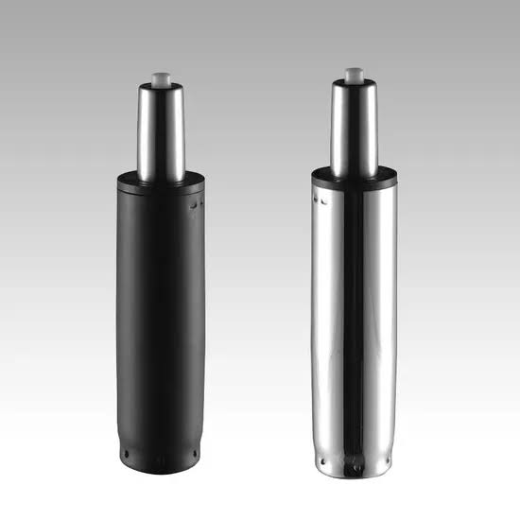
The gas lift cylinder is responsible for height adjustment and plays a critical role in user comfort.
Common signs of gas lift failure include:
Gradual seat sinking
Difficulty adjusting height
Unstable seating position
Sudden height loss
Fortunately, gas lift cylinders are often replaceable, making repair a practical option in many situations.
A failed gas lift does not necessarily mean the entire chair must be replaced.
When Do Chair Bases Become a Safety Concern?
The chair base supports the entire seating system and distributes weight through the casters.
Although chair bases are designed for long-term durability, they may eventually experience:
Material fatigue
Cracking
Deformation
Excessive wear around caster sockets
Structural damage to the base should never be ignored because it directly affects user safety.
When base integrity becomes compromised, replacement is typically recommended.
How Do Casters and Mechanisms Affect Chair Longevity?
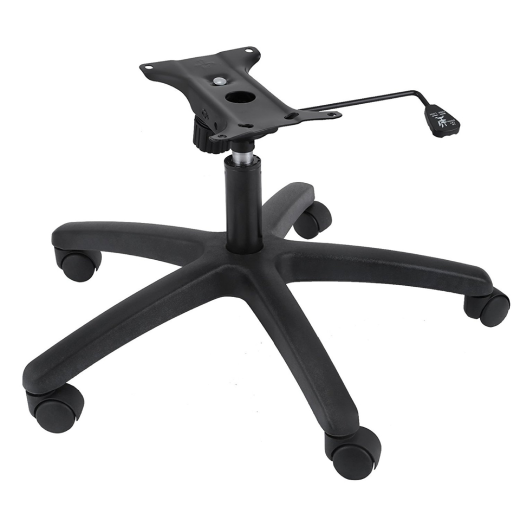
Casters and mechanism plates are among the hardest-working components in any office chair.
Casters experience:
Constant rolling
Directional changes
Impact loads
Surface friction
Meanwhile, mechanism plates endure:
Reclining forces
Weight transfer
Repetitive adjustment cycles
Regular inspection and timely replacement of these components can significantly extend overall chair lifespan.
How Is the Office Furniture Industry Extending Chair Lifespans in 2026?
Why Are Modular Chair Components Becoming More Popular?
One of the biggest trends in office furniture is modularity.
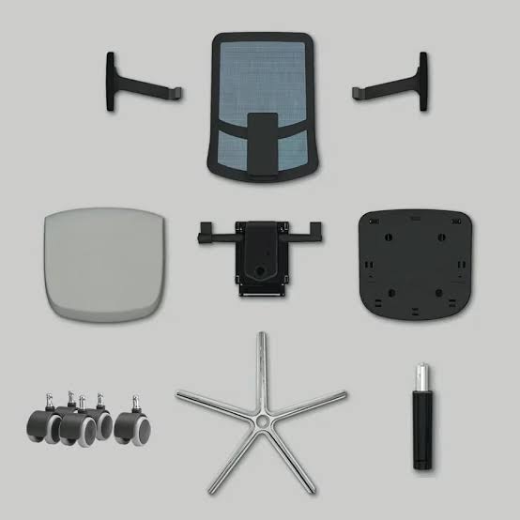
Rather than replacing entire chairs, manufacturers increasingly design seating systems with replaceable components.
This approach allows organizations to replace:
Casters
Seat cushions
Armrests
Headrests
Backrests
Mechanisms
Gas lifts
As a result, chairs can remain operational much longer than in previous generations.
How Does Component Manufacturing Influence Chair Durability?
The quality of individual components plays a major role in determining overall chair lifespan.
Modern seating systems depend on the integration of numerous specialized parts working together under continuous mechanical stress.
For example, FSGROWING utilizes specialized workshops that work together to produce different office chair components, including casters, chair bases, gas lift cylinders, mechanism plates, seat shells, backrests, headrests, armrests, and more.
This type of coordinated manufacturing helps improve component compatibility and quality consistency throughout the chair system, supporting longer product lifecycles and more efficient maintenance strategies.
What Is the Future of Chair Lifecycle Management?
Many organizations are shifting from replacement-based purchasing toward lifecycle-based asset management.
This approach focuses on:
Preventive maintenance
Component replacement
Comfort restoration
Sustainability goals
Cost optimization
Frequently Asked Questions About Replacing Office Chairs
How often should office chairs be replaced?
Most office chairs remain in service for 5–10 years, depending on quality, usage intensity, and maintenance practices. High-usage environments may require earlier replacement.
Is office chair seat replacement worth it?
Yes. If the chair frame remains structurally sound, replacing the seat can significantly improve comfort while reducing replacement costs.
How long does a foam seat cushion chair typically last?
High quality foam cushions generally provide effective support for 3–7 years before compression and material fatigue begin affecting comfort.
When should chair cushion replacement be considered?
Replacement is recommended when the cushion becomes flattened, uncomfortable, uneven, or no longer provides adequate ergonomic support.
Which chair parts fail most frequently?
Seat cushions, gas lift cylinders, casters, armrest pads, and tilt mechanisms are among the most commonly replaced office chair components.
Should businesses repair chairs or buy new ones?
The decision depends on structural condition and repair costs. If the frame remains intact and replacement parts are available, repairs often provide better long-term value.
There is no universal answer to how often office chairs should be replaced. The real determining factors are component condition, user comfort, safety, and overall performance rather than age alone.
Office Chair Replacement Parts Overview
Modular Chair Parts 2026: Design & Innovation
Latest Blog