
NEWS
Data is empty
How to Choose the Best Mesh Back Chair for Long Hours at a Desk?
Spending eight, ten, or even twelve hours a day seated at a desk is no longer unusual—it's the new normal for knowledge workers, remote professionals, and hybrid teams alike. With this reality comes an urgent need: selecting seating that doesn't just accommodate your body but actively supports it. Among the many office chair categories, the mesh office guest chair consistently emerges as a top contender for long duration use. But not all mesh chairs are created equal.
Why Mesh Excels for Prolonged Use?
The human body was not designed for static, upright sitting over extended periods. Without proper support, prolonged desk work can lead to lower back pain, neck strain, reduced circulation, and even long term postural degradation. This is where the comfortable mesh office chair shines—not as a luxury, but as a functional necessity.
Mesh backrests offer two critical advantages: dynamic lumbar support and thermal regulation. Unlike rigid or padded backs that create pressure points and trap heat, high-tension mesh conforms to the spine's natural S-curve while allowing air to circulate freely. This reduces moisture buildup and skin irritation—common complaints among users of leather or fabric chairs during multi hour sessions.
Moreover, quality mesh provides reactive support. As you shift posture—leaning forward to type, reclining during a call, or rotating to grab a file—the mesh subtly stretches and rebounds, maintaining consistent contact with your back. This mimics the principle of “active sitting,” which encourages micro-movements that keep muscles engaged and blood flowing. Chairs that feature a full mesh back, such as those engineered by FSGROWING, extend this support from the sacrum to the upper thoracic region, ensuring alignment across the entire spine—not just the lumbar zone.
For professionals logging long hours, these features aren't optional add-ons—they're foundational to sustained focus, comfort, and spinal health.

Beyond “Mesh”: Decoding Critical Adjustability Features for All-Day Comfort and Postural Health
Many shoppers assume that “mesh = ergonomic.” This is a dangerous misconception. A net back revolving chair with a fixed backrest and non-adjustable arms may look modern but fails to address individual anatomical differences. True ergonomic performance lies in precise, intuitive adjustability.
When evaluating the best mesh back chair for long hours at a desk, prioritize these five non negotiable features:
Adjustable lumbar support—Height and depth control ensures the support aligns with your natural lumbar curve, not a generic approximation.
Seat depth adjustment—Crucial for users under 5'6” or over 6'0”, this prevents the seat edge from pressing into the back of the knees, which can restrict circulation.
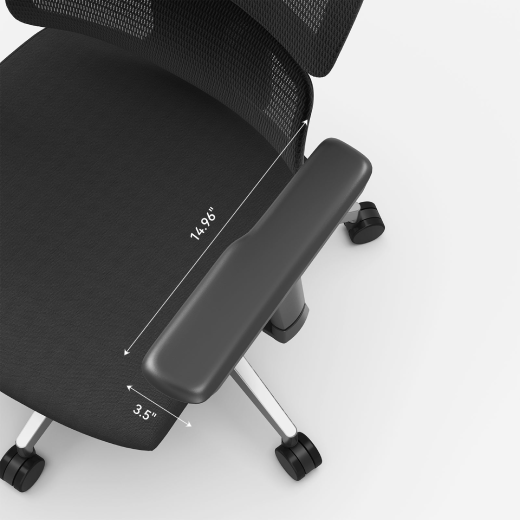
4D armrests—Arms should adjust in height, width, depth, and pivot angle to keep shoulders relaxed during typing or mousing.
Synchronized tilt mechanism—This links net back revolving chair seat and backrest movement so your pelvis remains properly angled as you recline, reducing shear forces on the spine.
Recline tension control—Allows you to customize the resistance based on your weight and preference, enabling gentle rocking or firm upright positioning.
High performing chairs integrate these adjustments seamlessly, avoiding clutter while delivering personalization. For example, FSGROWING's ergonomic mesh office guest chair models are designed with tool free mechanisms that cater to a wide anthropometric range—essential for both home offices and corporate procurement where one-size-fits-all fails.
It's also worth noting that the mesh office guest chair—often used in meeting rooms or reception areas—is typically stripped of these adjustments for cost and simplicity. While suitable for short-term use, it should never be confused with a true all-day work chair.
Material Quality, Build Integrity, and Long Term Durability: What Separates Premium from Disposable
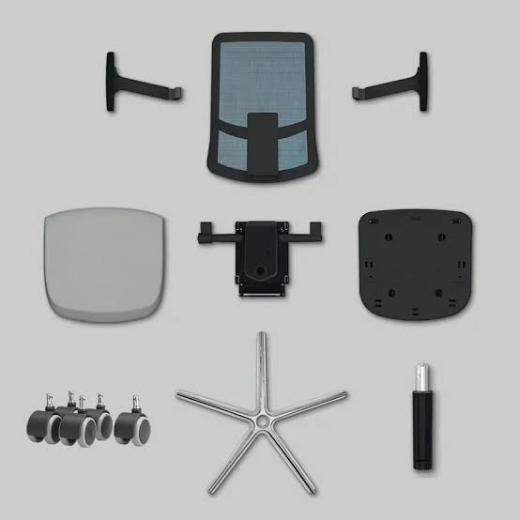
Aesthetics fade, but structural integrity endures. One overlooked aspect of choosing a comfortable mesh office chair is the underlying frame and component quality. Mesh may look delicate, but in premium chairs, it's anchored to a reinforced nylon or aluminum chassis rated for 250–300+ pounds.
Key durability indicators include:
Mesh weave density: Higher denier (e.g., 1200D) yarn resists sagging and tearing.
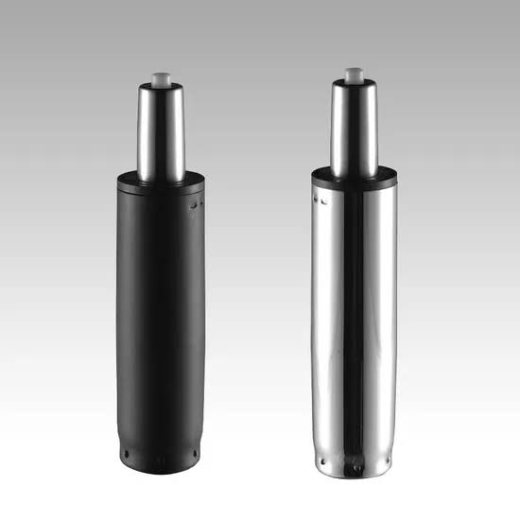
Gas lift certification: Look for ISO 13732-1 or BIFMA-compliant cylinders that won't leak or collapse.
Caster composition: Polyurethane wheels protect hardwood floors; dual-wheel designs roll smoothly on carpet.
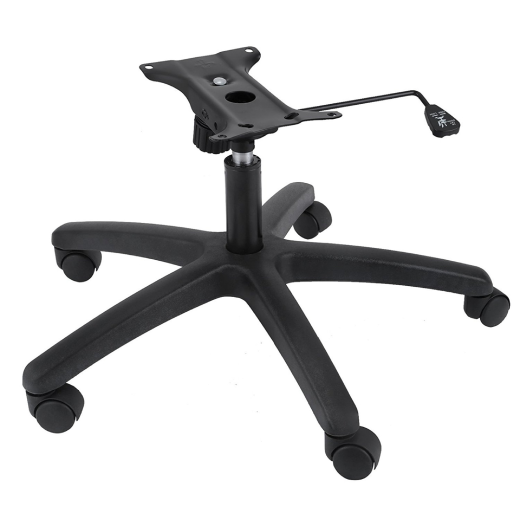
Base material: Reinforced nylon or die-cast aluminum prevents cracking under torque during swiveling.
Many budget chairs cut corners here, using thin mesh that loses tension within months or plastic hinges that squeak and degrade. In contrast, manufacturers like FSGROWING—who supply ergonomic solutions globally—often subject their full mesh chairs to 30,000+ cycle tests for recline mechanisms and 100,000+ for casters, ensuring reliability even under daily professional use.
For users investing in a chair they'll sit in 2,000+ hours a year, these hidden specs matter more than color options or brand logos.
Frequently Asked Questions
Q: Can a mesh back chair really support me during 10-hour workdays?
A: Absolutely—if it features proper lumbar adjustability, seat depth control, and a high resilience mesh. The breathable design actually enhances endurance by preventing overheating and fatigue.
Q: Is a net back revolving chair the same as a full ergonomic mesh chair?
A: Not necessarily. “Net back” often refers to basic guest or task chairs with minimal adjustability. True ergonomic models offer comprehensive support systems beyond the mesh itself.
Q: Are mesh office guest chairs suitable for long-term use?
A: No. They're designed for 15–60 minute intervals. Using them for full workdays increases the risk of poor posture and discomfort due to lack of lumbar and arm support.
Q: Will the mesh stretch or sag over time?
A: High quality mesh with reinforced edges and proper tensioning (like that used in FSGROWING's full-mesh line) maintains its shape for 5–7 years under normal use.
Q: How do I know if a comfortable mesh office assistant is right for my body type?
A: Look for chairs with a wide range of adjustments—especially seat depth and lumbar height. If the product specs list accommodation for users between 5'0” and 6'5”, it's likely adaptable.
Choosing the best mesh back chair for long hours at a desk is less about trends and more about understanding your body's biomechanical needs. With thoughtful attention to support dynamics, adjustability, and material resilience, professionals can transform their seating from a passive object into an active ally in health and productivity. In an era where work and well-being are increasingly intertwined, investing in the right chair isn't indulgence—it's intelligence.
Top-Rated Office Chairs For Lower Back Pain Relief
Reviews of Popular Office Mesh Back Chair Brands
Latest Blog