
NEWS
Data is empty
How to Do the Chair Test?
As international markets increasingly require compliance with standards such as the BIFMA chair test, understanding how professional testing works has become essential for procurement decisions. Buyers are also becoming more aware that the quality of individual chair components often determines whether an entire chair passes or fails durability testing.
What Does "Chair Test" Really Mean?
Is sitting on a chair enough to determine its quality?
Many consumers casually "test" a chair by sitting on it for a few minutes. While this may reveal basic comfort, it tells very little about long-term durability.
Professional chair testing is designed to answer questions such as:
Can the chair withstand years of repeated loading?
Will the backrest loosen after continuous reclining?
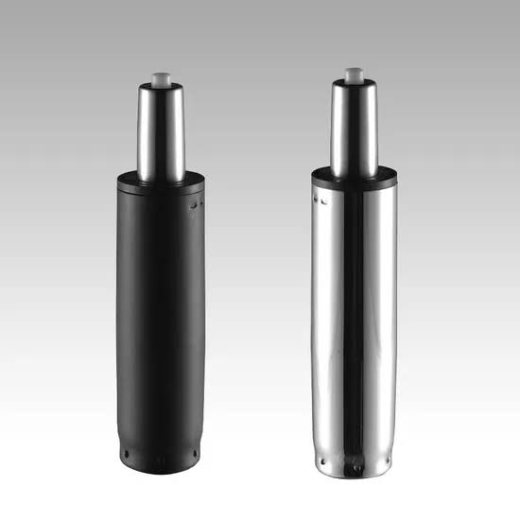
Can the gas lift maintain height under repeated pressure?
Will the casters survive thousands of rolling cycles?
Does the chair remain stable when users lean in different directions?
These are the concerns that matter most to commercial buyers, facility managers, and office furniture brands.
Why are standardized chair durability tests important?
Without standardized testing, durability claims become subjective.
Industry standards create consistent benchmarks that allow manufacturers and buyers to evaluate products using repeatable methods. Rather than relying on opinions, testing generates measurable data on structural performance and safety.
A properly conducted chair durability test helps identify weaknesses before products reach the market, reducing warranty claims and improving user confidence.
Which chair components are most frequently tested?
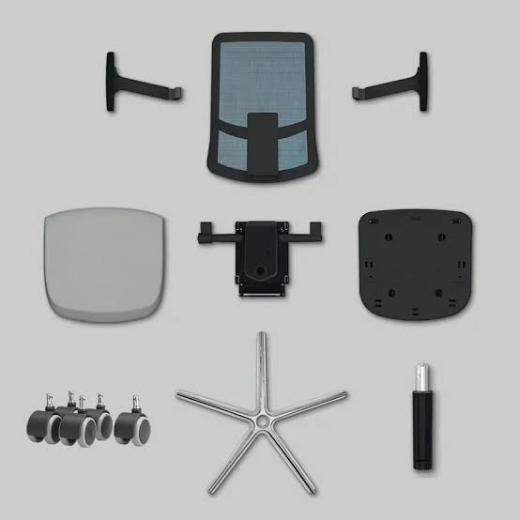
Although the chair is evaluated as a complete system, certain components receive particular attention because they bear the highest mechanical loads.
Critical parts include:
Gas lift cylinders
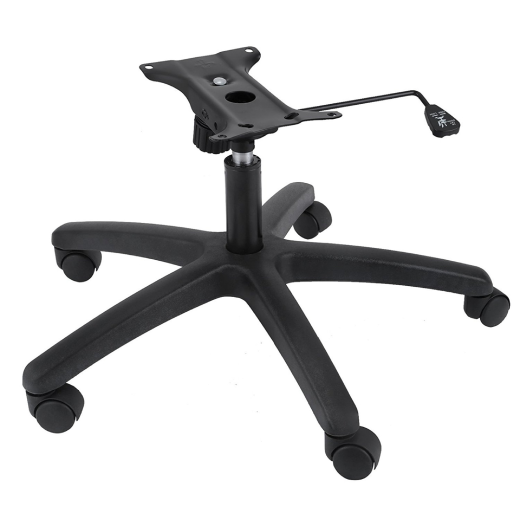
Chair bases
Casters
Mechanism plates
Seat shells
Backrest frames
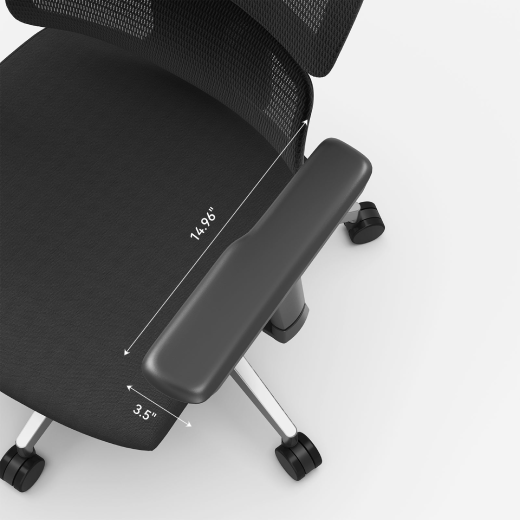
Armrests
Reclining mechanisms
Failure in any one of these components can affect the overall safety and service life of the chair.
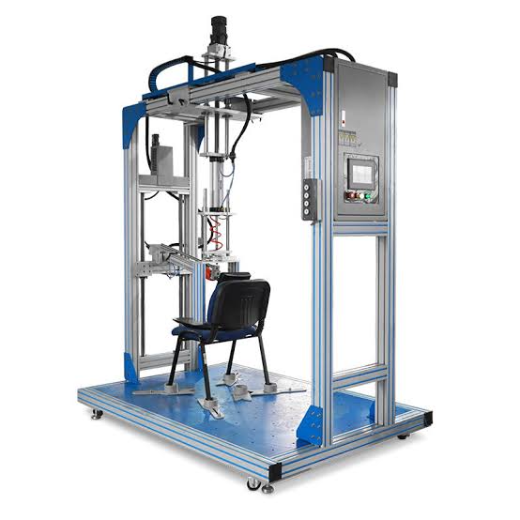
How Is a Professional BIFMA Chair Test Performed?
What is the BIFMA chair test?
The BIFMA chair test refers to testing procedures developed under the standards established by the Business and Institutional Furniture Manufacturers Association. These procedures are widely recognized throughout the commercial furniture industry and are often used as a benchmark for office chair performance.
Rather than relying on a single evaluation, BIFMA testing consists of multiple mechanical assessments that simulate years of workplace use under controlled laboratory conditions.
What happens during a load test chair procedure?
A load test chair procedure evaluates whether structural components can safely support specified forces without excessive deformation or failure.
Typical evaluations include:
Static Load Test
Heavy loads are applied for a specified period to determine whether structural parts permanently deform.
Seat Fatigue Test
Repeated loading cycles simulate a user sitting down thousands of times over the chair's expected lifespan.
Backrest Fatigue Test
The backrest is repeatedly pushed backward to evaluate reclining durability and frame strength.
Armrest Strength Test
Armrests are subjected to downward and lateral forces to verify their resistance to daily use.
Base Strength Test
Chair bases must withstand vertical and side loads without cracking or excessive deflection.
Caster Rolling Test
Casters roll repeatedly across testing surfaces to evaluate wheel wear, bearing performance, and mounting reliability.
Stability Test
The chair is tilted in multiple directions to ensure it resists tipping during normal use.
Why do repeated-cycle tests matter more than single heavy loads?
A chair rarely fails because of one unusually heavy load.
Instead, failure usually results from accumulated fatigue after thousands of daily movements.
Repeated-cycle testing reproduces:
Sitting down
Standing up
Leaning backward
Twisting
Rolling across floors
Arm support during movement
These repetitive actions gradually weaken materials, making fatigue testing one of the most valuable indicators of long-term durability.
Which Office Chair Components Have the Greatest Impact on Test Results?
Why do chair components determine durability?
An office chair functions as an integrated mechanical system. Even if most components perform well, one weak part can cause the entire product to fail.
For example:
Inferior gas lifts may lose pressure.
Weak chair bases may crack under repeated loading.
Poor-quality mechanism plates can develop excessive play.
Low-grade casters may wear unevenly.
Weak armrest connections can loosen over time.
For this reason, experienced manufacturers pay close attention to component consistency as well as final assembly.
How does manufacturing quality influence testing performance?
Successful durability testing begins long before laboratory evaluation.
It starts with:
Material selection
Mold precision
Welding quality
Dimensional consistency
Surface treatment
Process control
Assembly accuracy
Manufacturers that integrate these processes are often better able to achieve consistent testing performance.
For example, FSGROWING organizes production through specialized workshops that manufacture different office chair components, including casters, chair bases, gas lift cylinders, mechanism plates, seat shells, backrests, headrests, armrests, and more. This coordinated production approach helps maintain dimensional consistency across components and supports reliable assembly quality, both of which contribute to successful durability testing.
Can one defective component cause a chair to fail?
Absolutely.
Even when 99% of components meet specifications, one defective part can compromise the chair's overall safety.
Examples include:
A cracked base causing collapse
Loose armrest fasteners affecting stability
Gas lift leakage reducing seat height consistency
Weak backrest brackets failing during recline
Professional quality control therefore evaluates individual components before complete chair testing begins.
How Can Buyers Evaluate Chair Durability Before Placing Large Orders?
Should buyers ask for test reports?
Yes.
Commercial buyers should request documentation that demonstrates compliance with recognized testing procedures rather than relying solely on marketing claims.
Useful documentation may include:
Durability testing reports
Component testing records
Material specifications
Internal quality control procedures
Production inspection records
These documents provide additional confidence during supplier evaluation.
Why is factory quality management just as important as laboratory testing?
Testing verifies performance, but manufacturing quality determines consistency.
A well-managed factory typically implements:
Incoming material inspection
In-process quality monitoring
Dimensional verification
Functional testing
Final assembly inspection
Packaging inspection
Consistent production control reduces variability between batches and helps maintain long-term product reliability.
What future trends are changing chair durability testing?
Office furniture testing continues to evolve alongside workplace demands.
Emerging developments include:
Robotic fatigue simulation
Smart sensor monitoring during testing
Digital data collection
AI-assisted failure analysis
Sustainable material evaluation
Ergonomic performance verification
Long-life component optimization
These technologies allow manufacturers to identify potential weaknesses earlier and improve product development efficiency.
Frequently Asked Questions
What is a chair durability test?
A chair durability test is a series of mechanical evaluations that assess an office chair's ability to withstand repeated use, heavy loads, and long-term stress. These tests measure structural integrity, fatigue resistance, stability, and overall safety.
What is included in a BIFMA chair test?
A typical BIFMA chair test includes seat fatigue tests, backrest durability tests, static load evaluations, stability testing, caster rolling tests, armrest strength assessments, and other procedures designed to simulate years of workplace use.
How is a load test chair performed?
A load test chair procedure applies controlled forces to various parts of the chair, including the seat, backrest, armrests, and base, to verify that they can safely withstand expected loads without structural failure or excessive deformation.
Why do office chair components matter during durability testing?
Critical components such as gas lifts, chair bases, mechanism plates, casters, and armrests directly influence testing results. High-quality components improve structural consistency and reduce the risk of premature failure during fatigue testing.
Can visual inspection replace professional chair testing?
No. While visual inspection can identify obvious defects, it cannot predict long-term fatigue performance or structural reliability. Laboratory testing remains the most reliable method for evaluating chair durability.
Understanding how to do the chair test goes beyond checking whether a chair feels comfortable on the first day of use. Professional chair durability test procedures, recognized BIFMA chair test standards, and scientifically designed load test chair methods provide valuable insights into a chair's long-term safety and performance.
For manufacturers and buyers alike, durable office seating begins with high-quality components, disciplined production processes, and rigorous testing protocols. By evaluating both complete chairs and the individual parts that support them, businesses can reduce warranty risks, improve user satisfaction, and build products that perform reliably throughout their service life.
Office Chair Wheels Selection Guide
Bulk Packaging Solutions for Chair Parts
Latest Blog