
NEWS
Data is empty
How To Use Tilt Lock?
Tilt lock determines whether you sit upright, recline, or maintain a controlled angle that supports your back throughout the day. Yet many users either use it incorrectly or don’t know how the system inside a heavy duty office chair mechanism truly works. A locking tilt mechanism chair isn’t just a comfort feature—it’s a crucial part of posture, productivity, and long term spinal health.
Chapter 1: What Is a Locking Tilt Mechanism Chair and How Does It Work?
1.1 What Is a Tilt Lock Mechanism?
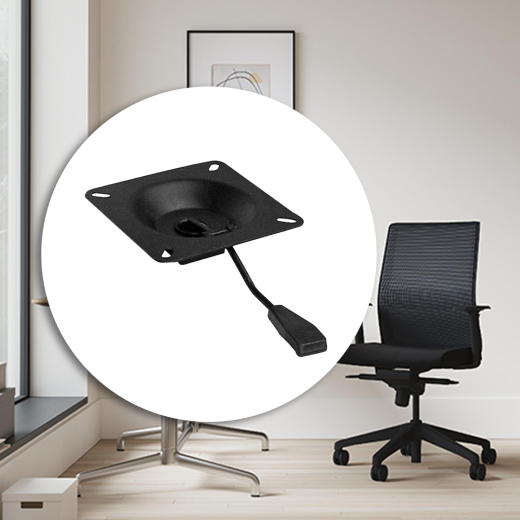
A tilt lock mechanism controls the angle of the seatback and prevents the chair from leaning when you don’t want it to. It uses internal steel plates, levers, springs, and engagement points to hold the chair at a chosen position. Typically, a lever on the side of the seat controls this function.
When activated, tilt lock stops the recline motion and stabilizes your seating angle. When disengaged, the chair can tilt freely.
1.2 What Is Inside a Heavy Duty Office Chair Mechanism?
The interior of a high quality mechanism includes:
A main tilt pivot
Reinforced steel lock plates
A compression or torsion spring
A tilt control lever
A load-support structure connected to the gas lift
A heavy duty office chair mechanism uses thicker steel, stronger springs, and more precise alignment to ensure that the tilt lock engages smoothly and withstands long-term usage. FSGROWING focuses on enhanced structural reinforcement so that their mechanisms remain stable and durable even under heavy daily loads.
1.3 How Does a Heavy Duty Office Chair Tilt Mechanism Respond to Weight?
When you lean back, your weight activates the springs and tension rods. When the lock is engaged, the mechanism holds your weight firmly. When the lock is off, the mechanism allows synchronized or free tilting.
Lower quality mechanisms often struggle to hold weight, causing the lock to slip. Heavy duty designs, such as FSGROWING’s, are engineered to maintain stability even under high pressure.
1.4 Why Is Tilt Lock Important for Ergonomics?
Tilt lock helps:
Reduce lower back strain
Improve spinal alignment
Support ergonomic reclining
Allow stable upright working posture
Maintain consistent seating angles
A well designed mechanism ensures that every angle provides proper weight distribution and support.
Chapter 2: How To Use Tilt Lock Properly on Your Office Chair?
2.1 How Do You Engage the Tilt Lock?
Step 1: Sit Upright
Keep your body weight centered so the lock can engage correctly.
Step 2: Lean Slightly Back
Apply slight pressure to allow the internal plates to align.
Step 3: Pull or Push the Tilt Lever
Depending on the chair, the lever either locks the angle or frees the mechanism.
Step 4: Confirm the Lock
Slowly lean back to ensure the lock has engaged fully.
A heavy duty office chair tilt mechanism engages more reliably because its plates and gears align with greater precision.
2.2 How Do You Unlock the Tilt?
To unlock:
Sit upright to release pressure.
Move the tilt lever in the opposite direction.
Recline gently to activate free tilt mode.
If the chair fails to unlock smoothly, lubrication or internal adjustment may be required.
2.3 How Do You Adjust Tilt Tension?
Tilt tension affects how difficult it is to lean back. The tension knob underneath the seat controls this:
Turn clockwise to increase resistance
Turn counterclockwise to decrease resistance
For users with higher body weight, increasing tension helps maintain control. Heavy duty office chair mechanism designs allow smoother and wider tension adjustment ranges.
2.4 How Many Positions Can a Tilt Lock Have?
Depending on the design, a locking tilt mechanism chair may support:
Single position lock
Multi angle lock
Upright only lock
Synchronized recline with lock options
Higher end mechanisms, like those produced by FSGROWING, provide more refined multi-lock steel plates for flexible seating angles.
Chapter 3: Why Does Tilt Lock Fail and What Can You Do About It?
3.1 Is the Lever Loose or Misaligned?
A loose or worn lever prevents proper engagement. This often causes the lock to engage only partially or not at all.
Ensure the lever moves firmly without wobbling. Tightening screws may temporarily fix the issue.
3.2 Are the Internal Plates Worn?
Inside the mechanism are metal plates that hold the chair in place. With time, low-quality metal can wear, bend, or lose grip.
Signs include:
The chair reclines even when locked
Clicking noises
Inconsistent locking
A worn plate means replacement is necessary—no internal repair will restore proper performance.
3.3 Is the Spring Too Weak to Hold the Tilt?
A weakened spring makes the system unbalanced and affects lock engagement. When weight pushes too hard against a weak spring, the lock slips.
A heavy duty office chair tilt mechanism has stronger springs designed to retain elasticity much longer.
3.4 Is the Mechanism Not Designed to Handle Your Weight?
Some chairs use lightweight mechanisms intended for casual or home office use. When used continuously in demanding environments, the lock may fail.
Heavy duty office chair mechanisms are specifically engineered to support higher weight loads and frequent adjustments.
3.5 Is the Mechanism Old and Past Its Lifespan?
All mechanisms eventually wear out. After years of daily use, metal fatigue, alignment shifts, and spring deterioration are expected.
Replacing the entire unit is the most effective solution.
This is where brands like FSGROWING provide significant value—their mechanisms are built with precision components, heavy gauge steel, and engineered tilt structures designed for long-term performance.
Chapter 4: Why Choose a Heavy Duty Mechanism for Better Tilt Lock Performance?
4.1 What Makes Heavy Duty Mechanisms More Reliable?
Heavy duty systems offer:
Thicker steel structure
Stronger torsion springs
Precision-machined locking plates
Improved angle support
Higher durability under pressure
These qualities ensure a consistently reliable tilt lock even after years of use.
4.2 How FSGROWING Enhances Tilt Lock Technology
FSGROWING integrates:
Reinforced lock bars
Smoother pivot paths
Anti wear plate construction
Multi lock functionality
Load bearing structural frames
Their mechanisms are built to reduce common tilt lock failures and to provide smooth, stable reclining for professional office chairs.
4.3 Why Replacing a Mechanism Is Better Than Replacing the Entire Chair
Most chairs fail due to mechanism wear—not cushion or frame issues. Replacing the mechanism:
Saves money
Restores all tilt and lock functions
Extends the lifespan of the chair
Improves ergonomics immediately
Upgrading to a heavy duty office chair mechanism gives the chair a “new life” while keeping the existing seat and gas lift.
4.4 How Proper Usage Extends Lifespan
To keep the locking tilt mechanism chair functioning longer:
Keep bolts tightened
Avoid dropping into the chair suddenly
Keep tension properly adjusted
Clean internal areas when needed
Lubricate moving parts periodically
Quality mechanisms require less maintenance but still benefit from proper care.
FAQ
1. How do I know if my tilt lock is broken?
If the chair tilts while locked or the lever moves with no engagement, the internal lock plate may be worn.
2. Why won’t my chair lock at all?
Misaligned gears, worn plates, loose levers, or weak springs can all prevent locking.
3. Can a heavy duty office chair tilt mechanism fix the problem?
Yes, heavy duty mechanisms such as those from FSGROWING are designed to restore full locking functionality.
4. Is tilt lock safe to use every day?
Yes, especially with reinforced mechanisms designed for frequent locking cycles.
5. Should I replace the mechanism myself?
Many users can replace it at home, but professional installation ensures perfect alignment.
Will Mesh Chair Help Back Pain?
How To Adjust Tilter Chair Mechanism?
Latest Blog