
NEWS
Data is empty
How Upgrading to Advanced Reclining Mechanisms Cut Warranty Claims by 40%: An Industry Analysis
When a leading office furniture manufacturer reported a 40% reduction in after-sales repair rates after switching to an A-series reclining mechanism, industry professionals took notice. This case study isn't just about one brand's success—it reveals critical insights about how the mechanism of recliner chair design directly impacts product longevity, user satisfaction, and operational costs.
What Is the Mechanism of Recliner Chair Design and Why Does It Drive Reliability?
The mechanism of recliner chair systems encompasses the interconnected components that enable controlled backrest tilt, seat angle adjustment, and return-to-upright functionality. At its foundation, a high-performance mechanism integrates precision-machined steel plates, calibrated tension springs, and low-friction bushings to distribute mechanical stress evenly across thousands of cycles. When manufacturers prioritize robust internal architecture—such as reinforced pivot points and multi-layer welding—they directly reduce failure modes like joint loosening, spring fatigue, or housing deformation.
Industry data suggests that over 60% of recliner-related warranty claims stem from mechanism degradation rather than upholstery or frame issues. This underscores why component-level engineering decisions have outsized impacts on total cost of ownership. Advanced designs incorporate self-lubricating bearings and corrosion-resistant coatings to maintain smooth operation in diverse environmental conditions, from humid offices to temperature-controlled executive suites.
How Does a Recliner Seat Mechanism Influence Long Term Performance Metrics?
The recliner seat mechanism serves as the critical interface between user movement and structural response. Unlike basic tilt systems that offer binary locked/unlocked positions, premium mechanisms enable infinite-position adjustment with consistent resistance throughout the recline arc. This precision requires sophisticated cam profiles, balanced counter-springs, and tolerance-controlled assembly processes.
When the aforementioned office furniture brand analyzed its return data, it discovered that mechanisms with inadequate load distribution accounted for the majority of premature failures. Upgrading to an A-series design with widened contact surfaces and reinforced mounting brackets redistributed stress concentrations, extending functional lifespan. Additionally, modular component architecture allowed targeted replacements during maintenance, reducing full-unit scrap rates and supporting circular economy principles.
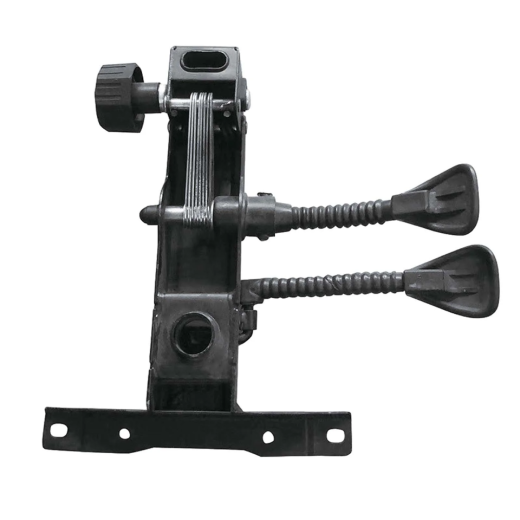
Why Are Universal Recliner Mechanism Designs Gaining Adoption Across Manufacturers?
The shift toward universal recliner mechanism compatibility reflects broader industry trends toward supply chain resilience and design flexibility. Standardized mounting patterns, interchangeable actuator interfaces, and modular tension modules enable manufacturers to source components from multiple qualified suppliers without redesigning entire chair platforms. This strategic redundancy mitigates disruption risks while fostering competitive pricing.
However, "universal" doesn't mean generic. High quality universal mechanisms maintain rigorous performance specifications: minimum cycle life ratings, defined torque curves, and validated safety margins. Organizations like FSGROWING have invested in R&D to produce swivel tilt reclining mechanisms that balance broad compatibility with precision engineering, ensuring that standardization doesn't compromise functionality. This approach empowers furniture brands to innovate on aesthetics and ergonomics while relying on proven mechanical foundations.
What Engineering Factors Contributed to the 40% Reduction in Warranty Claims?
The dramatic improvement in reliability wasn't accidental—it resulted from systematic evaluation of failure modes and targeted engineering interventions. Key factors included:
Material upgrades: Transitioning from standard steel to high-yield alloy frames reduced deformation under dynamic loads
Precision manufacturing: Tighter tolerance controls on pivot holes and bushing fits minimized play accumulation over time
Enhanced testing protocols: Implementing accelerated life testing at 1.5x normal load conditions identified weak points before mass production
Smart lubrication systems: Integrated grease reservoirs with wicking channels ensured consistent lubrication without user maintenance
Thermal management: Optimized motor housing designs in power-assisted variants prevented overheating during extended use
These improvements collectively addressed the root causes of field failures rather than treating symptoms. For instance, replacing stamped steel components with CNC-machined alternatives eliminated micro-crack propagation pathways that previously led to catastrophic fractures after 18-24 months of office use.
How Can Manufacturers Evaluate Reclining Mechanism Suppliers Beyond Price Comparisons?
Selecting a mechanism partner requires multi-dimensional assessment. Technical documentation depth—such as finite element analysis reports, cycle test data, and material certifications—signals engineering rigor. Production consistency matters equally: suppliers with automated assembly lines and in-line quality checkpoints deliver more reliable batch-to-batch performance than those relying on manual processes.
Reputable manufacturers like FSGROWING emphasize transparency in their quality systems, providing customers with access to test protocols and failure analysis methodologies. This collaborative approach enables furniture brands to validate claims independently and align component specifications with end-use requirements. Additionally, suppliers offering application engineering support can help optimize mechanism selection for specific use cases, from high traffic coworking spaces to executive conference rooms.
What Role Does Ergonomic Integration Play in Mechanism Longevity?
Mechanism durability isn't solely about mechanical robustness—it's also about harmonious integration with human movement patterns. Poorly calibrated tilt tension can cause users to apply excessive force during adjustment, accelerating wear on springs and pivots. Conversely, mechanisms with intuitive resistance profiles encourage natural movement, reducing abusive loading scenarios.
Advanced designs incorporate adaptive tension systems that automatically compensate for user weight variations, maintaining consistent performance across diverse populations. This intelligence extends to safety features: anti-snap back mechanisms, controlled descent rates, and pinch-point protection all contribute to both user safety and component preservation by preventing impact induced damage.
FAQ: Addressing Common Questions About Recliner Mechanisms
Q: How do I identify if my chair uses a universal recliner mechanism?
A: Check mounting hole patterns, actuator connection types, and manufacturer documentation. Universal mechanisms typically follow industry-standard dimensions for easy replacement, though verification with supplier specifications is recommended.
Q: What maintenance extends the life of a recliner seat mechanism?
A: Regular inspection of pivot points, periodic lubrication with manufacturer-approved grease, and avoiding exceeding weight capacity ratings significantly prolong functional life. Keep mechanisms free from dust and debris that can accelerate wear.
Q: Can upgrading the mechanism of recliner chair components improve an existing product line?
A: Yes—retrofitting with advanced mechanisms can enhance durability and user experience without full redesign. However, compatibility assessment and structural validation are essential before implementation.
Q: Why do some universal recliner mechanism options perform better than others?
A: Performance variations stem from material quality, manufacturing precision, and engineering validation. Premium suppliers invest in rigorous testing and quality control to ensure consistent reliability across production batches.
Q: How does mechanism design impact sustainability goals?
A: Durable, repairable mechanisms reduce replacement frequency and material waste. Modular designs enable component-level repairs rather than full-unit disposal, supporting circular economy objectives.
Q: What testing standards should I request from mechanism suppliers?
A: Look for BIFMA X5.1 compliance, cycle testing reports (minimum 50,000 cycles), load capacity certifications, and environmental stress validation. Third-party testing adds credibility to manufacturer claims.
Strategic Implications: Beyond the 40% Metric
The reported 40% reduction in warranty claims represents more than a cost-saving achievement—it validates a fundamental principle: component-level engineering excellence drives system-level reliability. For office furniture manufacturers, this case study underscores the strategic value of investing in high-performance mechanisms rather than treating them as commoditized inputs.
As workplace expectations evolve toward hybrid models and extended-use scenarios, mechanism durability becomes increasingly critical. Users demand furniture that maintains performance through years of daily adjustment, not just initial comfort. Brands that prioritize mechanical integrity alongside aesthetic design build stronger reputations for quality and reduce long-term support burdens.
Looking ahead, innovation in smart mechanisms—integrating usage analytics, adaptive tension control, and predictive maintenance alerts—will further transform reliability paradigms. However, these advances build upon foundational engineering principles: precise manufacturing, robust materials, and rigorous validation. Organizations like FSGROWING that master these fundamentals position themselves as enablers of next-generation furniture performance.
Making Mechanism Decisions with Data, Not Assumptions
The journey from high warranty claims to industry-leading reliability begins with understanding that the mechanism of recliner chair systems is not a black box—it's a precisely engineered subsystem where every specification matters. By analyzing failure data, collaborating with knowledgeable suppliers, and prioritizing long-term performance over short-term cost savings, manufacturers can achieve transformative improvements in product quality.
For procurement teams evaluating a recliner seat mechanism upgrade, the key takeaway is clear: request detailed technical documentation, validate testing methodologies, and consider total cost of ownership rather than unit price alone. When exploring universal recliner mechanism options, verify compatibility without compromising on performance benchmarks.
Ultimately, the 40% improvement story isn't about one magical component—it's about systematic engineering discipline applied to a critical subsystem. By adopting this mindset, furniture brands can deliver products that earn customer loyalty through enduring performance, turning mechanical reliability into a competitive advantage that resonates far beyond the initial purchase.
Why the Mechanism Is the Real “Core Component” of Seating Performance?
Different Types of Recliner Mechanisms
Latest Blog