
NEWS
Data is empty
Is A Mesh Chair Better Than A Cushion?
Is a mesh chair better than a cushion? It’s a big question especially for users who sit for long hours in offices, home workstations, or meeting environments.
At first glance, the comparison appears straightforward: mesh chairs are associated with breathability and structure, while cushioned chairs are linked to softness and padding. In reality, the difference is far more complex. Sitting duration, posture habits, heat buildup, pressure distribution, and ergonomic adjustability all influence how each chair type performs over time. This is why users researching this topic increasingly focus on long term comfort and support rather than short term seating feel.
Chapter 1: How Do Mesh Chairs and Cushioned Chairs Differ in Ergonomic Design?
1.1 Structural Philosophy Behind Mesh Seating
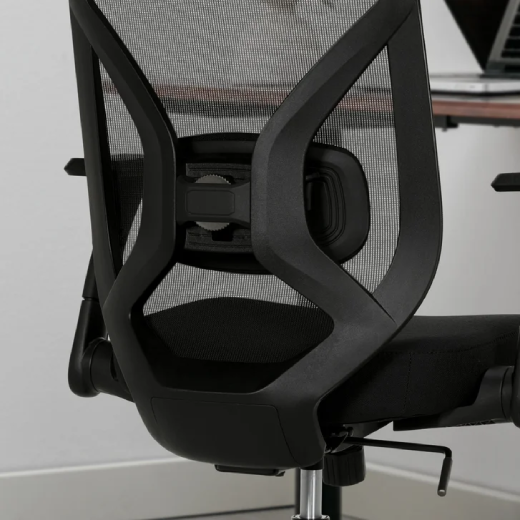
Mesh chairs are designed around the principle of tension based support rather than surface padding. The mesh material is stretched across a frame, allowing it to respond dynamically to body movement while maintaining consistent resistance. This structure enables the mesh back conference chair to adapt to different postures without relying on thick cushioning to absorb weight.
From an ergonomic standpoint, mesh backrests are particularly effective at supporting the natural curvature of the spine. When properly designed, the mesh conforms to the user’s back while maintaining enough firmness to prevent slouching. This is one reason the best mesh back chair models are commonly associated with prolonged desk work and posture-focused seating solutions.
In many modern designs, including full mesh configurations, the seat and backrest work together to distribute body weight evenly. Instead of compressing under pressure like foam, mesh redistributes load through tension, which can help reduce localized pressure points over long periods of sitting.
1.2 Cushion Based Seating and Pressure Absorption Logic
Cushioned chairs rely on foam or layered padding to create comfort through compression. When a user sits down, the cushion deforms to match the body’s shape, providing immediate softness and pressure relief. This design can feel more comfortable during short sitting sessions or for users who prioritize plush seating.
However, from an ergonomic perspective, cushioning introduces variability over time. As foam compresses, it may lose its original shape and support characteristics. Without proper structural reinforcement, a heavily cushioned seat can encourage sinking, which may lead to poor pelvic positioning and spinal misalignment during long work sessions.
This distinction highlights a key difference in design intent: mesh back conference chair aims to support posture through structure and tension, while cushioned chairs focus on comfort through material softness.
Chapter 2: Is a Mesh Chair Better Than a Cushion for Long Hours of Sitting?
2.1 Breathability and Heat Management During Extended Use
One of the most consistent user concerns in long hour seating is heat buildup. Mesh chairs naturally allow airflow through the seat and backrest, which helps regulate body temperature during prolonged sitting. This characteristic becomes especially important in warm environments or for users who sit continuously without frequent breaks.
Cushioned chairs, particularly those with dense foam or upholstered surfaces, tend to retain heat. Over time, this can lead to discomfort, moisture accumulation, and a general feeling of restlessness, even if the chair initially feels soft and inviting.
For users who work eight or more hours per day, this difference in thermal comfort often becomes more noticeable than surface softness. As a result, mesh back conference chair is frequently preferred in professional environments where consistent comfort matters more than initial seating feel.
2.2 Support Consistency Over Time
Another critical factor is how well a chair maintains support throughout the workday. Mesh seating provides relatively consistent resistance from morning to evening because the material does not compress in the same way foam does. This consistency helps maintain stable posture, particularly for users who spend long periods focused on screen-based tasks.
Cushioned seating, by contrast, may feel supportive at the beginning of the day but gradually lose firmness as the foam warms and compresses. This can subtly alter sitting posture, increasing strain on the lower back and hips over time.
From a long-term perspective, this is one reason mesh chairs are often associated with ergonomic office standards, while cushioned chairs are more commonly found in lounge or short-duration seating contexts.
Chapter 3: Which Chair Type Fits Different Office Scenarios Best?
3.1 Best Mesh Back Chair for Individual Workstations
For individual workstations where users remain seated for long periods, a well-designed mesh chair offers several advantages. Adjustable lumbar support, breathable backrests, and responsive seat tension work together to support healthy posture throughout the day.
The best mesh back chair designs focus on balancing firmness and flexibility. Instead of relying on padding, they emphasize adjustability and structural support, allowing users to customize the chair to their body dimensions and working habits.
Full mesh office chairs, such as those developed by manufacturers like FSGROWING, are designed with this principle in mind. Their focus on breathable materials and ergonomic structure reflects broader trends in office seating aimed at long-term comfort rather than short-term softness.
3.2 Executive High Back Mesh Chair for Leadership Roles
In executive settings, seating requirements extend beyond basic comfort. An executive high back mesh chair is designed to provide upper-back and shoulder support while maintaining breathability and ergonomic alignment.
High back mesh designs support the entire spine, from the lumbar region to the upper back, without the heat retention commonly associated with heavily padded executive chairs. This makes them suitable for long meetings, desk work, and leadership roles that require extended sitting with frequent posture changes.
The combination of professional appearance and ergonomic functionality explains why mesh based executive chairs have become increasingly common in modern offices.
3.3 Mesh Back Conference Chair vs Cushioned Conference Seating
Conference rooms present a different set of priorities. Seating must accommodate multiple users, varying body types, and moderate sitting durations. A mesh back conference chair offers breathable comfort and visual lightness, which helps maintain comfort during meetings without encouraging overly relaxed postures.
Cushioned conference chairs can feel comfortable initially, but in longer meetings, heat retention and posture fatigue may become noticeable. Mesh-backed designs help address these issues while maintaining a clean, professional aesthetic suitable for collaborative environments.
Chapter 4: Are There Situations Where Cushioned Chairs Still Make Sense?
4.1 Short Duration and Casual Seating Needs
Despite the advantages of mesh seating, cushioned chairs still serve a purpose in specific contexts. For short-duration seating, reception areas, or casual office spaces, cushioning provides immediate comfort that can be appealing for brief use.
Users who prioritize softness or who sit intermittently rather than continuously may prefer cushioned seating, as the ergonomic drawbacks associated with long-term compression are less relevant in these scenarios.
4.2 Personal Comfort Preferences and Body Sensitivity
Individual comfort preferences also play a role. Some users may find mesh seats too firm, particularly if the seat lacks supplemental padding or tension adjustment. For individuals with heightened sensitivity in the hips or tailbone area, a well-designed cushioned seat may feel more comfortable.
Frequently Asked Questions (FAQ)
Is a mesh chair better than a cushion chair for posture?
In general, mesh chairs provide more consistent postural support during long sitting periods due to their tension-based structure and ergonomic adjustability.
Do mesh chairs feel uncomfortable over time?
A properly designed mesh chair should maintain comfort over time. Discomfort typically results from poor-quality mesh or lack of ergonomic adjustment rather than the mesh material itself.
Is a cushioned chair better for people with back pain?
Back pain relief depends more on lumbar support and posture alignment than on cushioning alone. Both mesh and cushioned chairs can be effective if designed ergonomically.
Are mesh chairs suitable for executive offices?
Yes. Executive high back mesh chair designs combine professional aesthetics with breathable, full spine support suitable for long workdays.
What type of chair works best in conference rooms?
Top-Rated Mesh Back Chairs For Office Use With Adjustable Features
What Type of Chair Is Best for Lower Back Pain?
Latest Blog