
NEWS
Data is empty
What Are The Key Features Of An Ergonomic Office Chair?
In the age of hybrid work and long hours at the desk, choosing the right office chair at FSGROWING is no longer a matter of comfort alone—it's a matter of health, productivity, and long-term musculoskeletal wellbeing. As more people spend extended time seated, ergonomic seating has shifted from a luxury to a critical component of modern workspaces. But what exactly makes an office chair ergonomic? Which features truly matter—and why do users care so much about them?
Section 1: Core Principles and Why Ergonomics Matters
The Human Body Meets Seating Design
Ergonomics in office seating revolves around one core idea: supporting the natural posture of the human body while minimizing strain. A properly designed ergonomic chair encourages the spine's natural alignment, supports key pressure points, and helps distribute load evenly—reducing fatigue and discomfort during long sittings.
At the heart of ergonomic design is the recognition that no two bodies are identical, and adjustability is the mechanism through which a chair adapts to the user rather than forcing the user to adapt to the chair.
Why Users Care: Pain, Posture, and Productivity
Reports from office workers and remote professionals alike consistently highlight three major concerns when evaluating seating:
Persistent lower back pain linked to insufficient support
Heat buildup and discomfort over extended hours
A lack of mobility and dynamic support in static seating environments
These pain points collectively drive demand for chairs that go beyond basic cushioning and aesthetics toward functional, supportive designs that address both posture and comfort simultaneously.
Section 2: The Anatomy of Ergonomic Features
Breathable Support: Mesh Office Chair Design Benefits
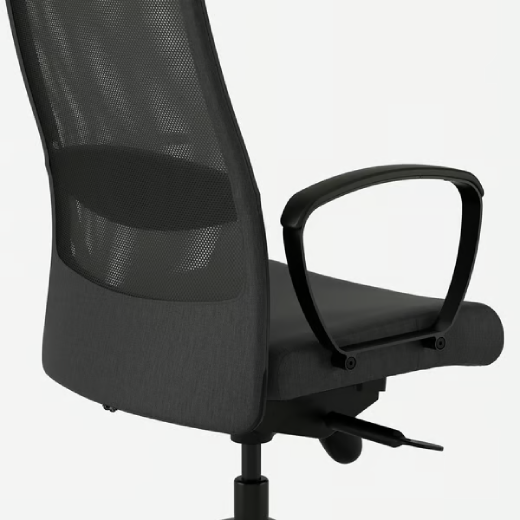
Among the most mentioned features in ergonomic chair discussions is the mesh back. A mesh office chair is prized for its ability to promote airflow, reducing heat and moisture accumulation that can lead to discomfort over long work sessions. Mesh materials also offer a degree of adaptive tension, conforming to the user's back while providing a supportive surface that complements ergonomic form.
Users who prioritize ventilation, especially in warmer environments or for all-day use, tend to look first at chairs with high-quality mesh backs and seats, as these help maintain comfort without sacrificing support.
Critical Feature: Adjustable Lumbar Support
Perhaps the most universally cited ergonomic requirement is lumbar support—the mechanism that maintains the spine's natural lower-back curve. Without proper lumbar support, the lower back can slump, flattening the spine's natural S-shape and placing undue stress on intervertebral discs and supporting muscles.
Key aspects that differentiate effective lumbar systems include:
Adjustability in height and depth, enabling alignment with the user's spinal curve
Support that is firm enough to maintain alignment yet flexible enough to feel comfortable
Integration with overall backrest design so that the lumbar region remains effective through posture changes
Chairs with highly customizable lumbar systems tend to outperform fixed designs in both user satisfaction and long-term comfort.
Seat Depth and Waterfall Edges: Supporting Legs and Circulation
Ergonomics isn't just about back support. The seat pan—its depth, contour, and edge design—plays a pivotal role in:
Ensuring the thighs are supported without pressure behind the knees
Promoting healthy blood flow and reducing numbness
Allowing for proper positioning where feet rest flat on the floor with knees at a natural angle
Many ergonomic guides emphasize waterfall seat edges and adjustable seat depth as vital for circulation and long-term comfort, especially for people who maintain long seated intervals.
Dynamic Movement: Tilt, Recline, and Swivel
Static seating is the enemy of comfort. Chairs that facilitate movement and adjustment throughout the day tend to improve both comfort and focus. The following dynamic features contribute to this:
Tilt and recline mechanisms that let the chair move with you
Synchro-tilt designs that adjust seat and backrest in coordination
Swivel functionality that allows rotating without straining the neck or torso
Ergonomic office swivel chairs for sale often highlight 360-degree mobility not as a novelty but as a practical way to access workspace areas without twisting the body unnaturally.
Adjustable Armrests: Supporting Upper Body Comfort
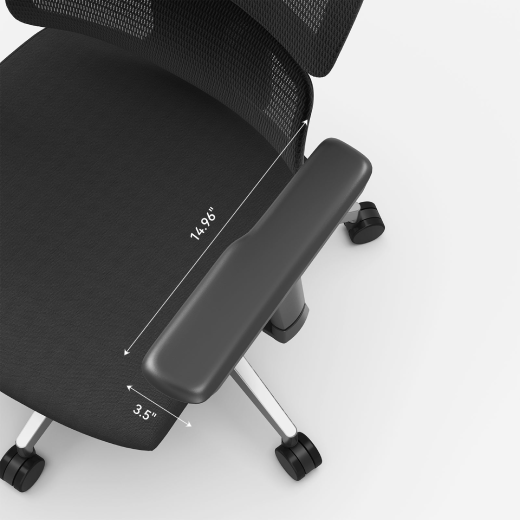
While back support captures most attention, armrests play a critical role in reducing strain on the upper body. Adjustable armrests help maintain relaxed shoulders and appropriate wrist posture, which are essential for preventing tension and fatigue in the upper back and forearms.
Optimal adjustability includes not just height but width and angle, allowing users to find a position that supports typing and mousing without squeezing or lifting shoulders.
Section 3: Balancing Features with Real-World Needs
Black Rolling Chair and Task Adaptability
When browsing office chairs, many users gravitate toward black rolling chairs—classic designs that fit professional settings. But aesthetics only matter if the chair's core ergonomic features deliver real comfort.
In practical terms, the best ergonomic chairs under this design category combine:
A breathable mesh back
Adjustable lumbar support
Dynamic movement mechanisms
Swivel base and smooth rolling casters
This ensures that visual simplicity is matched by functional sophistication, making these chairs suitable for both home offices and corporate environments.
Why Adjustability Is Fundamentally More Important Than Price Tags
While chairs appear in a wide range of price brackets—especially in sale categories like office chairs on sale—adjustability consistently emerges as the primary predictor of ergonomic performance. Chairs that allow users to fine-tune critical elements such as lumbar position, seat height, and tilt tension consistently score higher in long-term comfort and ergonomic ratings than chairs that are fixed in their design.
This explains why many ergonomic advocates recommend trying chairs in person or choosing brands with strong adjustability and return policies.
The Spectrum: From Simple Mesh Office Chairs to Advanced Ergonomic Designs
Ergonomic chairs span a broad spectrum:
Entry-level mesh office chairs offer fundamental breathability and basic lumbar support
Mid-tier ergonomic task chairs add adjustable tilt, dynamic recline, and armrest customization
Advanced ergonomic systems incorporate precision adjustments across nearly all axes of seating
Depending on work habits, budget, and body variability, choosing across this spectrum involves balancing customization with cost.
Section 4: Common Pitfalls, Practical Advice, and FAQ
Common Mistakes When Choosing an Ergonomic Office Chair
Many users make ergonomic choices based on looks, brand, or price alone. However, the most effective chairs are those that:
Deliver meaningful adjustability, not just decorative features
Provide breathable support materials such as mesh rather than thick foam that traps heat
Support dynamic movement rather than forcing prolonged static posture
The presence of a swivel base and casters—especially in office swivel chairs for sale—is more than convenience; it lets the body pivot naturally and reduces strain from twisting or reaching.
Practical Setup Tips for Any Ergonomic Chair
Even the best ergonomic features require correct setup:
Adjust seat height so your feet rest flat on the floor
Set lumbar support to maintain the natural curve of your lower back
Position armrests so elbows rest comfortably without lifting shoulders
Use recline and tilt functions regularly to shift posture and reduce static load
An ergonomic chair's effectiveness is amplified when combined with healthy movement breaks and proper workstation setup.
FAQ — Frequently Asked Questions
Q1: What defines a true ergonomic office chair?
A true ergonomic chair supports natural posture through adjustable lumbar support, breathable materials, dynamic tilt mechanisms, and mobility (swivel and casters). These features work together to reduce strain and promote comfort over long sitting intervals.
Q2: Is a mesh office chair better than a padded chair?
Mesh chairs often provide better ventilation, adaptive back support, and long-term comfort, especially in warm environments. Breathability helps maintain comfort and encourages movement, but ergonomic performance ultimately depends on adjustability and support systems.
Q3: Should I buy office chairs on sale or invest in an expensive model?
Sales can offer great ergonomic value, but focus on feature set and adjustability rather than price alone. A well-designed mid-range ergonomic chair with strong adjustability often outperforms a high-priced chair with limited customization.
Q4: Are black rolling chairs inherently ergonomic?
Not inherently—but many ergonomic chair designs adopt black rolling chair aesthetics for professional versatility. The key is ensuring these chairs include adjustable lumbar support, mesh design, tilt mechanisms, and a stable base.
Q5: What's the most important feature for long hours of desk work?
Adjustable lumbar support stands out as the most critical single feature, as it directly influences spinal alignment, posture, and comfort over long seated work sessions.
Affordable Office Chairs With Lumbar Support Near Me
Best Ergonomic Office Chairs For Long Hours
Latest Blog