
NEWS
Data is empty
Why the Mechanism Is the Real “Core Component” of Seating Performance?
When buyers search for an office chair upgrade in 2026, most still focus on visible elements—mesh quality, armrests, or aesthetics. However, deeper search intent reveals a more technical shift:
What determines chair durability?
How does a recliner chair locking mechanism work?
Why do some chairs feel stable while others wobble?
The answer lies in one critical but often overlooked component: the recliner hardware mechanism, commonly referred to as the “base”.
What Is the Office Chair Mechanism, and Why Is It the “Soul” of the Chair?
What exactly does a recliner hardware mechanism control?
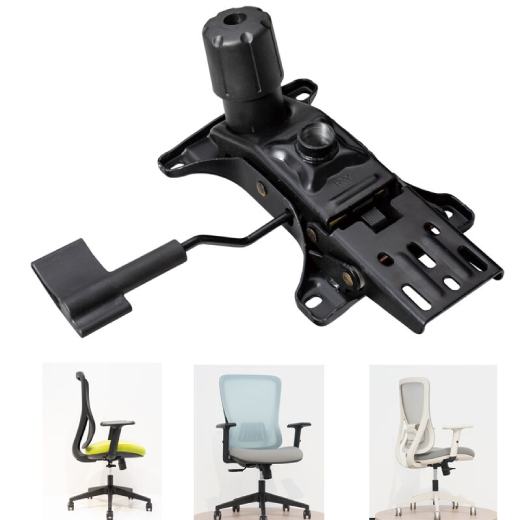
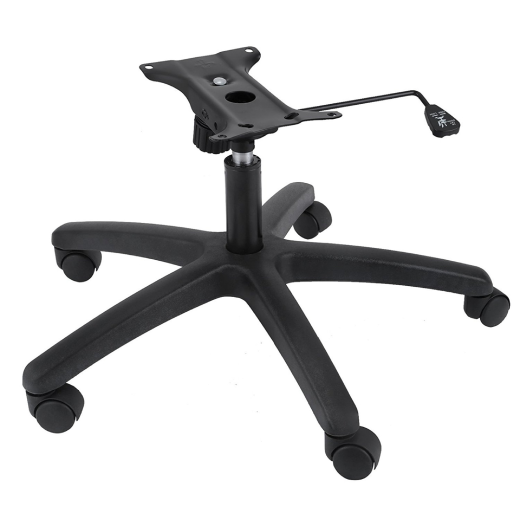
The recliner hardware mechanism is the structural and functional core of an office chair. It connects the seat, backrest, gas lift, and base while controlling motion, stability, and load distribution.
A typical system includes:
Tilt control assembly
Recliner chair locking mechanism
Spring tension adjustment system
Mounting plate and pivot joints
This is where engineering replaces aesthetics.
Why do experienced buyers prioritize the mechanism over everything else?
Because the mechanism directly determines:
1. Structural Stability
Poorly engineered mechanisms lead to:
Seat wobbling
Uneven weight distribution
Premature failure
2. Reclining Performance
The smoothness and control of reclining depend entirely on:
Linkage geometry
Spring calibration
Locking precision
3. Safety Under Load
A weak mechanism can fail under stress, especially in:
High frequency office environments
Heavy duty usage scenarios
Insight: Two chairs may look identical, but their performance diverges dramatically based on the internal mechanism design.
Why is the recliner chair locking mechanism critical?
One of the most searched subtopics is the recliner chair locking mechanism.
This component:
Locks the chair at specific tilt angles
Prevents sudden backward movement
Ensures user safety and ergonomic stability
High quality locking systems use:
Multi position locking plates
Reinforced steel engagement teeth
Precision machined pivot points
Poor locking design is one of the leading causes of user dissatisfaction.
How to Evaluate Mechanism Quality Through Materials (Aluminum vs Steel)
Why does material selection matter in recliner mechanisms?
Material choice directly impacts:
Load capacity
Corrosion resistance
Weight
Long term fatigue performance
Buyers frequently search:
aluminum vs steel recliner mechanism
best material for recliner hardware mechanism
Aluminum Alloy Mechanisms: When Is Lightweight Better?
Key characteristics:
Lower density → lighter overall chair weight
Natural corrosion resistance
Easier handling and installation
Best use cases:
Premium ergonomic office chairs
Export markets with humid climates
Designs prioritizing mobility
However, aluminum has:
Lower yield strength compared to steel
Higher cost per unit
Insight: Aluminum mechanisms are ideal for comfort focused, high end seating, not heavy duty industrial use.
Steel Mechanisms: Why Are They Still the Industry Standard?
Key characteristics:
High tensile strength
Excellent load bearing capacity
Superior fatigue resistance
Steel mechanisms dominate:
Commercial office furniture
Heavy duty recliner applications
High frequency usage environments
Heavy Duty Recliner Hardware Mechanism: What Defines It?
A heavy duty recliner hardware mechanism typically includes:
Thickened steel plates
Reinforced weld points
High load spring systems
These systems are designed for:
300–500+ lbs capacity
Continuous daily use
Insight: For B2B procurement, steel remains the safest choice for durability and cost-performance balance.
How Do Suppliers Like FSGROWING Approach Material Engineering?
Manufacturers such as FSGROWING typically design mechanisms with:
Optimized steel structures for durability
Integrated swivel + tilt + reclining systems
Compatibility across office and lounge chair platforms
Rather than focusing on a single feature, these designs emphasize system integration, which is critical for scalable furniture production.
What Does BIFMA 100,000 Cycle Fatigue Testing Really Mean?
Why is BIFMA certification a key search driver?
Many buyers search:
BIFMA fatigue test meaning
office chair durability standards
BIFMA (Business and Institutional Furniture Manufacturers Association) sets industry benchmarks for performance and safety.
What is the 100,000-cycle fatigue test?
The fatigue test simulates real-world use by repeatedly applying load and motion to the chair mechanism.
Key aspects include:
Repeated reclining cycles
Load stress simulation
Structural integrity checks
100,000 cycles roughly represent:
Several years of daily office use
Why does this matter for procurement decisions?
A mechanism that passes this test demonstrates:
Resistance to metal fatigue
Stable performance under repeated stress
Reduced warranty risk
Insight: Certification is not just a label—it is a predictor of lifecycle cost.
What are common failure points in non-certified mechanisms?
Cracking at weld joints
Spring fatigue loss
Locking mechanism wear
These failures often occur long before visible damage appears.
How should buyers verify test claims?
Instead of relying on marketing:
Request test reports
Verify cycle count standards
Check load conditions used in testing
This is a critical step in evaluating recliner mechanism price vs real value.
How to Build a “Core Three Components” Selection Framework (Material + Certification + Torque)
To make informed decisions, B2B buyers need a structured evaluation model.
1. Material: Does It Match the Use Case?
Ask:
Is the chair designed for heavy or light use?
Is corrosion resistance required?
Is weight reduction important?
2. Certification: Has It Been Properly Tested?
Focus on:
BIFMA compliance
Fatigue test results
Load capacity validation
3. Torque Adjustment: Why Is It the Most Overlooked Factor?
Torque control determines:
Reclining resistance
User comfort across different body weights
Motion smoothness
High quality mechanisms include:
Adjustable tension knobs
Balanced spring systems
Precision calibration
Insight: Torque tuning is what separates average chairs from ergonomic systems.
How Does Recliner Mechanism Price Reflect Quality?
Pricing varies based on:
Material (steel vs aluminum)
Complexity (manual vs multi-function)
Certification level
Typical ranges:
Basic mechanisms: low-cost, minimal features
Mid range: best balance of cost and durability
High end: multi-function, certified, precision-engineered
Important: The cheapest mechanism often leads to the highest long-term cost.
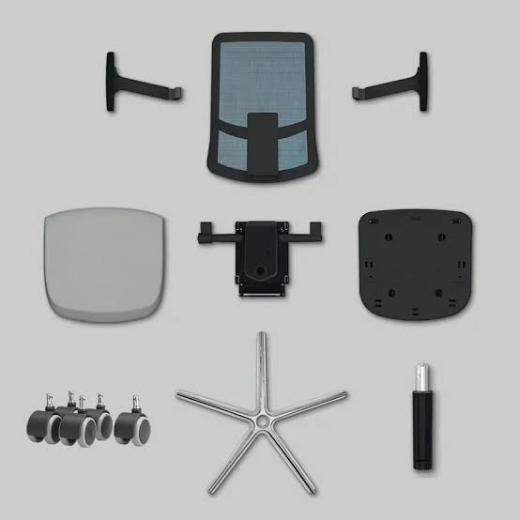
Why an Exploded View Matters in Marketing and Procurement
An exploded view diagram visually breaks down:
Individual components
Assembly structure
Material distribution
For buyers, it provides:
Transparency
Engineering credibility
Faster evaluation
Insight: Suppliers who provide detailed structural diagrams signal higher technical maturity.
FAQ: Recliner Mechanism Buyer Questions
What is a recliner chair locking mechanism?
It is a component that allows the chair to lock at specific reclining angles, ensuring stability and safety during use.
What is the most important part of a recliner hardware mechanism?
The tilt and locking system are the most critical, as they control motion, safety, and comfort.
How does recliner mechanism price relate to quality?
Higher prices typically reflect better materials, certification, and engineering precision, which improve durability and performance.
What makes a heavy duty recliner mechanism?
Reinforced steel construction, high load capacity, and resistance to repeated stress cycles define a heavy duty mechanism.
Why is torque adjustment important in office chair mechanisms?
It allows users to customize reclining resistance, improving comfort and ergonomic support.
Office Chair Parts Supplier Guide
How Upgrading to Advanced Reclining Mechanisms Cut Warranty Claims by 40%: An Industry Analysis
Latest Blog