
NEWS
Data is empty
Mesh vs Leather Office Chairs: Pros and Cons
Choosing between mesh and leather office chairs is not simply a matter of appearance. The chair material affects airflow, pressure distribution, maintenance, durability, and how comfortable the chair remains after several hours of sitting.
So, which is the better option in a mesh vs leather chair material comparison ? The answer depends on how the chair will actually be used.
1. Mesh vs Leather Chair: Which Is the best Office Chair Material for Long Hours of Sitting?
Is mesh more comfortable than leather for an eight-hour workday?
Mesh and leather create comfort in different ways.
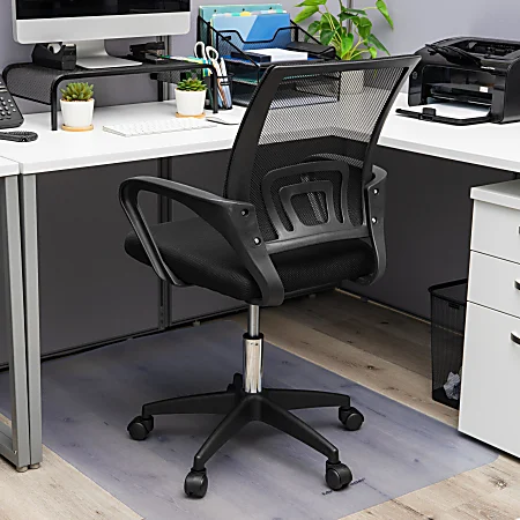
Mesh uses a tensioned surface that allows air to circulate through the backrest. This makes it particularly suitable for users who sit for long periods or work in warm environments. Its flexible structure can also provide dynamic support as the user changes position.
Leather, by contrast, normally relies on foam padding to create a softer and more cushioned feel. It offers a substantial, premium sensation when first sitting down, but solid upholstery provides less airflow.
This creates the first major difference in a chair material comparison: mesh prioritizes ventilation and responsive support, while leather emphasizes cushioning and visual comfort.
However, chair material comparison should not be confused with ergonomics. A poorly designed mesh chair can still provide inadequate lumbar support, while a properly engineered leather chair can offer excellent ergonomic performance.
Why doesn't mesh automatically mean better back support?
Back support depends on more than the surface material. Lumbar positioning, backrest geometry, frame stiffness, seat depth, recline mechanism, and adjustment range all contribute to posture support.
This is an important industry consideration: changing the covering material cannot compensate for poor chair engineering.
For long duration seating, buyers should therefore evaluate the complete ergonomic system rather than asking whether mesh or leather is inherently better.

2. What Are the Real Durability and Maintenance Differences?
Does mesh last longer than leather office chairs?
There is no universal winner because “leather” can describe very different materials.
Genuine leather, bonded leather, and PU leather do not have the same aging characteristics. Genuine leather can develop a patina when properly maintained, while lower-quality synthetic coatings may eventually crack, peel, or deteriorate.
Mesh has a different failure pattern. Instead of peeling, it may gradually lose tension, stretch, fray, or become damaged around attachment points.
Therefore, the more useful question is not simply “Is mesh or leather more durable?” but:
What material specification, construction method, and usage conditions will the chair face?
For commercial furniture, manufacturers should consider abrasion resistance, material tension, foam performance, frame construction, attachment methods, and expected daily usage.
Which office chair material is easier to clean?
Leather generally has an advantage for quick surface cleaning because spills can be wiped away relatively easily. However, some leather and synthetic leather surfaces require appropriate maintenance to prevent premature deterioration.
Mesh can collect dust within its structure, but it does not create the same solid surface against the user's back. Regular vacuuming and appropriate cleaning can keep it suitable for high-use environments.
For office procurement, maintenance requirements should therefore be evaluated alongside usage frequency, climate, cleaning procedures, and expected service life.
Why should buyers care about replaceable office chair components?
One overlooked issue is that the best office chair material is not necessarily the first component to fail.
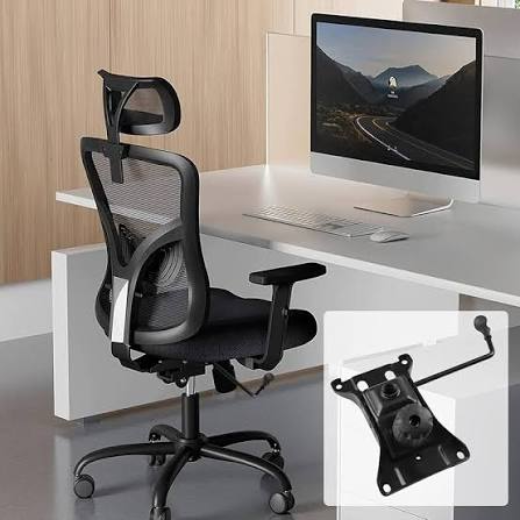
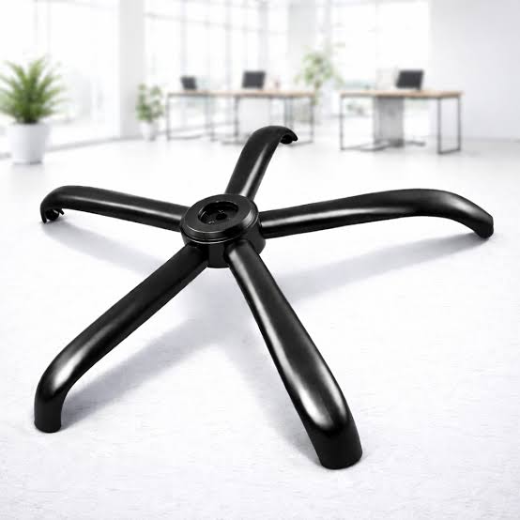
Casters, gas lift cylinders, mechanisms, armrests, and chair bases can experience different levels of mechanical wear. If these components can be replaced independently, the service life of the complete chair can potentially be extended.
FSGROWING approaches office chair manufacturing through specialized workshops that work together to produce different components, including casters, chair bases, gas lift cylinders, mechanism plates, seat shells, backrests, headrests, armrests, and more.
This illustrates an important B2B principle: office chair durability should be considered at the component-system level, not only by looking at the upholstery or mesh.
3. What Are the Biggest Industry Pain Points When Choosing Mesh vs Leather Chair?
Why can a chair feel comfortable for 10 minutes but uncomfortable after four hours?
Short term comfort and long-term comfort are not the same.
A heavily padded leather chair may feel immediately comfortable because of its soft surface. But prolonged sitting can expose problems such as heat accumulation, cushion compression, poor lumbar positioning, or insufficient adjustability.
Mesh can solve the heat problem more effectively, but low-quality mesh can create its own issues if the tension is poorly controlled or the supporting frame is inadequate.
The real industry challenge is therefore balancing material comfort with structural and ergonomic performance.
Does office temperature change the best office chair material?
Yes.
In warm or poorly ventilated environments, heat retention becomes a significant comfort factor. Mesh allows greater airflow through the backrest and can therefore be more practical for extended sitting.
In temperature-controlled executive offices, leather may be perfectly suitable, particularly when appearance, cushioning, and formal design are important.
This means the best office chair material is application-dependent rather than universal.
Why is material selection also an engineering decision?
A mesh backrest and a padded leather backrest may require different supporting structures.
Changing the material can affect backrest tension, mounting points, seat construction, lumbar support, and even component compatibility. The same applies to armrests, headrests, mechanisms, and seat shells.
For OEM and commercial furniture projects, material selection should therefore happen together with product engineering—not after the structure has already been finalized.
4. How Should B2B Buyers Choose Between Mesh and Leather Office Chairs?
When is mesh the better choice?
Mesh is generally worth considering when the priority is:
Long duration desk work
Better airflow and heat management
Contemporary ergonomic design
High frequency office use
Easy adaptation to different users
It is particularly suitable for task chairs and workstations where employees may remain seated for most of the working day.
When does leather make more sense?
Leather can be appropriate when the priorities include:
Executive appearance
Soft, cushioned contact
Traditional office aesthetics
Private offices or meeting rooms
A more substantial premium appearance
But buyers should distinguish genuine leather from PU or bonded alternatives before evaluating durability and lifecycle cost.
So, what is the best office chair material?
There is no single material that wins every application.
Mesh is usually stronger for breathability, long-duration task seating, and temperature management. Leather is often stronger for cushioning, executive appearance, and traditional premium design.
More importantly, neither material can compensate for poor engineering.
The better purchasing decision is to evaluate the material together with the seat shell, backrest, lumbar structure, mechanism, armrests, gas lift, chair base, and casters.
For manufacturers and B2B buyers, this system-level approach provides a more realistic way to assess office chair quality, durability, and long-term value.
FAQ: Mesh vs Leather Office Chairs
Is mesh or leather better for long hours?
For prolonged desk work, mesh is often preferable because its breathable structure helps reduce heat buildup. However, ergonomic design and adjustment options remain more important than material alone.
Is a mesh chair better for hot climates?
Generally, yes. Mesh allows more airflow around the back and can provide a cooler sitting experience than solid leather upholstery.
Do leather office chairs last longer than mesh chairs?
Not necessarily. Durability depends on the specific material, construction quality, maintenance, and usage conditions. Genuine leather and synthetic leather can have very different aging characteristics.
Is mesh or leather easier to maintain?
Leather is generally easier to wipe clean, while mesh may require vacuuming or more detailed cleaning because dust can collect within the weave. The appropriate maintenance method depends on the specific material.
Can a leather office chair be ergonomic?
Yes. Ergonomics depends primarily on factors such as lumbar support, seat geometry, armrest adjustment, recline function, and overall chair design—not whether the surface is leather or mesh.
What is the best office chair material for B2B applications?
There is no universal answer. Mesh is often suitable for high-frequency, long-duration task seating, while leather can be appropriate for executive and premium office environments. The correct choice should match the application, climate, users, and overall chair construction.
Need to Compare Office Chair Components for Your Project?
Choosing between mesh and leather is only one part of developing a durable office chair. If you are evaluating chair components for an OEM, commercial furniture, or office seating project, consider FSGROWING!
FSGROWING provides a range of office chair components through specialized workshops, supporting manufacturers in developing and evaluating different chair configurations based on application and performance requirements.
Explore office chair components and learn more about how different components work together in an office chair system.
Private Label Chair Parts Business
Green Chair Parts and Eco Manufacturing
Latest Blog