
NEWS
Data is empty
Modular Chair Parts 2026: Design & Innovation
The office furniture industry is undergoing a major transformation. While traditional office chairs were designed as fixed products with limited customization options, the next generation of seating solutions is increasingly built around modularity, flexibility, and lifecycle sustainability.
In 2026, modular design is becoming one of the most influential trends in office seating innovation. This shift affects not only manufacturers but also procurement teams, facility managers, distributors, and end users seeking greater long term value.
Why Are Modular Chair Parts Becoming the New Industry Standard?
What Are Modular Chair Parts and How Do They Differ from Traditional Chair Components?
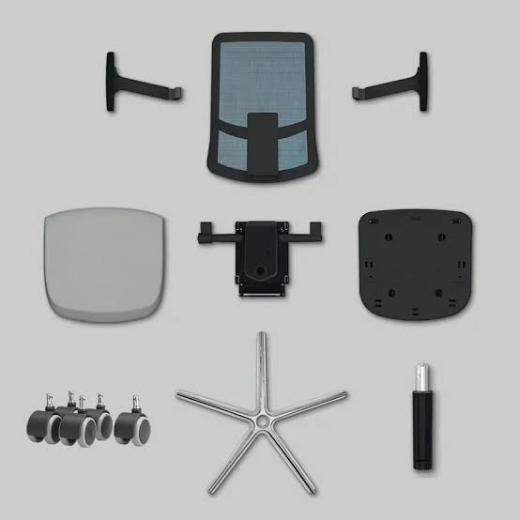
Modular chair parts are individual components designed to function independently while remaining compatible within a larger seating system.
Unlike conventional office chairs, where many components are permanently integrated, modular systems allow users to replace or upgrade specific parts without replacing the entire chair.
Common modular components include:
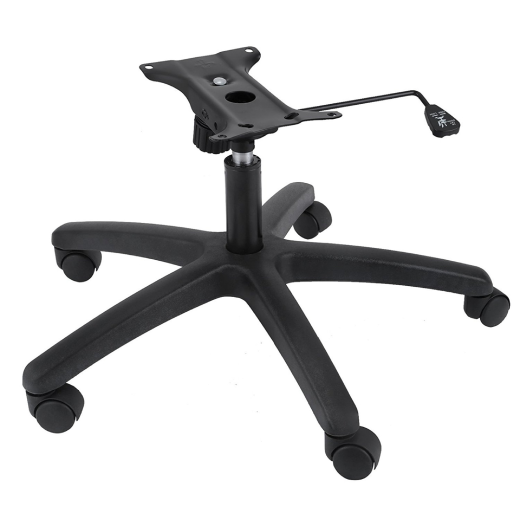
Chair bases
Casters
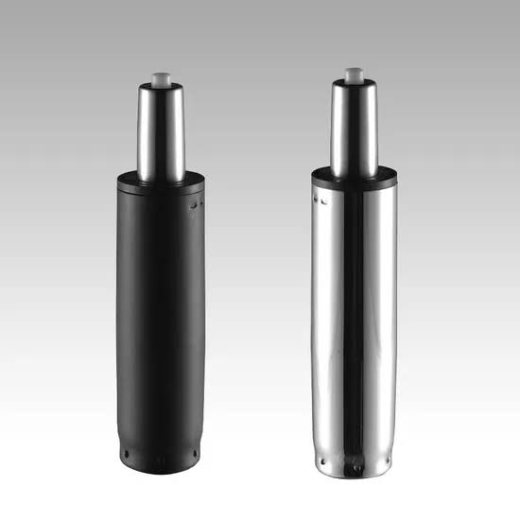
Gas lift cylinders
Mechanism plates
Seat shells
Backrests
Headrests
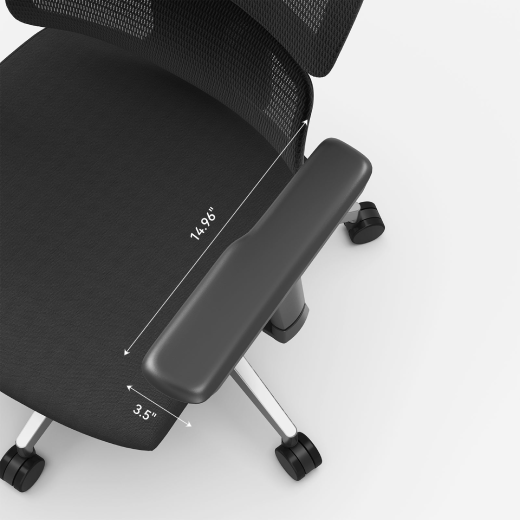
Armrests
Lumbar support systems
This design philosophy transforms office chairs from disposable products into long-term seating platforms.
Why Is the Industry Moving Toward Interchangeable Chair Parts?
Several market forces are accelerating adoption.
First, businesses are under increasing pressure to reduce operational costs.
Replacing a complete chair every few years is significantly more expensive than replacing a worn component.
Second, sustainability regulations and environmental initiatives are encouraging manufacturers to extend product life cycles.
Third, workplace requirements have become more dynamic. Organizations now require seating solutions that can adapt to changing employee needs, hybrid work environments, and evolving ergonomic standards.
Interchangeable chair parts address all three challenges simultaneously.
How Does Modularity Improve Product Lifecycle Management?
Lifecycle management has become a key purchasing consideration for commercial furniture buyers.
A modular seating platform allows organizations to:
Upgrade components individually
Simplify maintenance programs
Reduce inventory costs
Extend chair service life
Lower total cost of ownership
Minimize waste generation
Instead of viewing a chair as a fixed product, businesses increasingly view it as an evolving asset.

Which Modular Chair Components Are Driving Innovation in 2026?
Why Are Smart Chair Bases Becoming More Modular?
The chair base has traditionally been one of the least customizable components.
However, modern engineering is changing that perception.
New generation modular chair bases feature:
Multiple load-capacity options
Tool-free caster replacement
Enhanced structural reinforcement
Compatibility with various gas lift sizes
Improved weight distribution systems
These innovations allow manufacturers and users to tailor chair performance to specific applications.
How Are Interchangeable Armrests Transforming Ergonomic Customization?
Armrests represent one of the most frequently adjusted chair components.
In 2026, manufacturers are increasingly designing interchangeable armrest systems that allow users to select different configurations based on work style and ergonomic preferences.
Popular options include:
Fixed armrests
Height adjustable armrests
3D armrests
4D armrests
Soft touch arm pads
Task specific support systems
This modular approach improves user satisfaction while reducing the need for complete chair replacement.
Are Modular Backrests and Headrests the Future of Flexible Chair Design?
Employee ergonomic needs vary significantly.
A customer service representative, software engineer, designer, and executive may all require different support profiles.
Modular backrests and headrests allow organizations to customize seating configurations without investing in entirely different chair models.
This flexibility supports:
Personalized ergonomics
Workplace standardization
Reduced procurement complexity
Simplified inventory management
As hybrid work environments continue to evolve, flexible chair design is increasingly becoming a competitive advantage.
What Engineering Challenges Must Modular Chair Systems Overcome?
Can Interchangeable Chair Parts Maintain Structural Integrity?
One of the biggest concerns regarding modular furniture is durability.
Every connection point creates potential mechanical challenges.
Engineers must address issues such as:
Load transfer efficiency
Fastener fatigue
Dimensional tolerance control
Long-term vibration resistance
Repeated assembly and disassembly cycles
Poorly designed modular systems may introduce instability or accelerated wear.
Successful modular chair platforms rely on precision engineering to ensure that flexibility does not compromise safety.
Why Is Compatibility Becoming a Major Industry Pain Point?
The rapid expansion of modular furniture has created a new challenge: compatibility.
Many manufacturers develop proprietary component systems.
As a result, buyers often encounter difficulties when sourcing replacement parts from different suppliers.
Common compatibility concerns include:
Gas lift dimensions
Mounting hole patterns
Armrest attachment systems
Mechanism interfaces
Backrest connection points
Without standardization, the promise of interchangeability becomes limited.
This issue is expected to remain one of the industry's biggest challenges throughout 2026 and beyond.
How Does Manufacturing Integration Support Modular Innovation?
Producing modular systems requires exceptional consistency across multiple product categories.
Small dimensional variations can create assembly issues, reduce stability, and increase warranty claims.
To address these challenges, leading manufacturers are adopting integrated production models.
For example, FSGROWING utilizes specialized workshops that work together to produce different office chair components, including casters, chair bases, gas lift cylinders, mechanism plates, seat shells, backrests, headrests, armrests, and more.
This coordinated manufacturing approach helps improve dimensional accuracy, component compatibility, and quality consistency across the entire seating system.
In modular furniture engineering, system integration often becomes just as important as individual component quality.
How Will Flexible Chair Design Shape the Future Workplace?
Why Are Businesses Demanding More Adaptable Seating Solutions?
Workplace design is changing rapidly.
Organizations now require furniture that can support:
Hybrid work models
Shared workstations
Flexible office layouts
Diverse employee populations
Long term sustainability goals
Traditional fixed configuration seating often struggles to meet these evolving requirements.
Modular systems provide a scalable solution capable of adapting to future workplace changes.
Will Modular Chairs Support Circular Economy Goals?
Sustainability has become a major purchasing criterion across commercial furniture markets.
A modular chair aligns naturally with circular economy principles because individual components can be repaired, upgraded, reused, or recycled independently.
Benefits include:
Reduced landfill waste
Lower raw material consumption
Extended product lifespan
Improved resource efficiency
Reduced carbon footprint
Many industry experts believe modular furniture will play a critical role in achieving future environmental targets.
What Innovations Can We Expect Beyond 2026?
Several emerging technologies are likely to accelerate modular chair development.
Future innovations may include:
AI-assisted ergonomic adjustments
Sensor-integrated components
Smart maintenance alerts
Tool free structural upgrades
Universal component standards
Lightweight composite materials
As these technologies mature, modular seating systems may evolve into fully customizable ergonomic platforms rather than conventional office chairs.
Frequently Asked Questions About Modular Chair Parts
What are modular chair parts?
Modular chair parts are independently replaceable components that can be assembled, upgraded, or replaced without changing the entire chair structure.
Are interchangeable chair parts truly universal?
Not always. Many manufacturers use proprietary dimensions and attachment systems. Compatibility should always be verified before purchasing replacement components.
Why is flexible chair design becoming popular?
Flexible chair design helps businesses adapt to changing workforce needs while reducing maintenance costs and extending product lifespan.
Do modular chairs last longer than traditional office chairs?
In many cases, yes. Because individual components can be replaced as they wear out, modular systems often achieve longer service lives and lower lifecycle costs.
What is the biggest challenge facing modular office furniture?
Industry wide standardization remains a major challenge. Lack of universal component compatibility can limit interchangeability and increase sourcing complexity.
The rise of modular chair parts reflects a broader shift toward adaptability, sustainability, and long term value in office furniture design. As organizations seek more efficient ways to manage seating assets, interchangeable chair parts and flexible chair design are becoming central to procurement and product development strategies.
Rather than treating office chairs as disposable products, the industry is increasingly embracing modular platforms that evolve alongside workplace needs. In 2026 and beyond, the ability to upgrade, repair, and reconfigure seating systems will likely become one of the defining characteristics of high-performance office furniture.
How Should You Replace Office Chair Components?
Common Chair Problems: How to Fix Office Chair Issues
Latest Blog