
NEWS
Data is empty
Navigating High Volume Office Seating Components Procurement
Procuring a bulk order chair parts package requires a rigorous technical evaluation that goes far beyond unit pricing. In the modern commercial furniture ecosystem, B2B buyers, original equipment manufacturers (OEMs), and commercial refurbishers must analyze mechanical fatigue ratings, material science parameters, and international compliance frameworks before committing to high volume contracts. Search behavior across commercial procurement databases highlights a critical trend: professional buyers consistently prioritize structural integrity, load distribution physics, and standardized interface dimensions to mitigate catastrophic field failures.
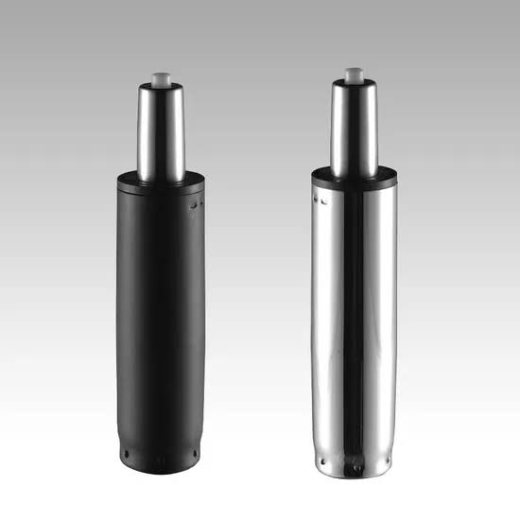
When executing a wholesale purchase chair component deal, engineers and procurement managers must first verify compliance with structural testing protocols, most notably ANSI/BIFMA X5.1 in North America and DIN EN 1335 in European markets. These benchmarks govern the mechanical endurance of primary structural elements. For instance, gas lift cylinders must conform to Class 3 or Class 4 stroke performance under DIN 4550 standards. A Class 4 pneumatic cylinder features a reinforced tube wall thickness exceeding 2.0 mm, engineered to withstand continuous axial pressure and severe off-center dynamic loads without seal degradation or nitrogen leakages.
Furthermore, evaluating seat shells, backrests, and mechanism plates requires an in-depth understanding of tensile strength and yield stress. Mechanism plates crafted from cold-rolled steel (SPCC) or heavy-gauge stamped alloy must undergo rigorous cycle testing—typically 300,000 to 500,000 tilt iterations—under maximum rated capacity. Inadequate wall thickness in the tilt housing or substandard heat treatment on the tension spring leads directly to structural deformation and noise fatigue. Professional buyers analyzing large quantity chair parts options must mandate material test reports (MTRs) for raw steel, polyurethanes, and reinforced nylon compounds before approving mass production runs.

How Do Dimensions, Interface Tolerances, and Ergonomic Factors Impact Modular Assembly?
Dimensional standardization is the cornerstone of efficient assembly line operations and aftermarket replacement logistics. A primary friction point when ordering a bulk order chair parts inventory lies in subtle tolerance stack-ups across distinct component interfaces. In commercial office chair manufacturing, sub-assemblies from disparate production lines must fit seamlessly to maintain high-throughput manufacturing speeds and ensure operational longevity.
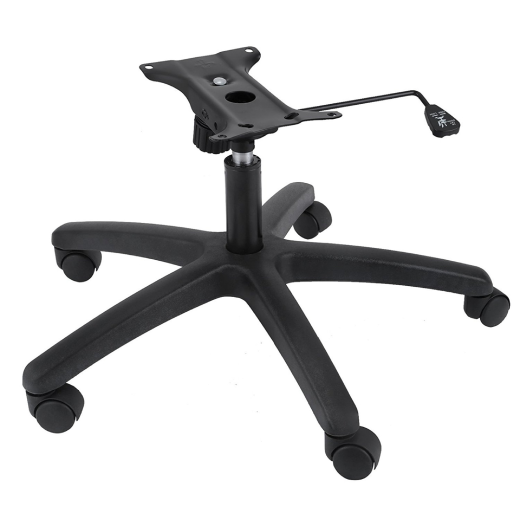
Consider the interface between the gas lift cylinder taper and the chair base socket. Standard pneumatic spindles rely on a 17-minute 48-second Morse taper fit. Even a sub-millimeter variance in the inner diameter taper of a die-cast aluminum base or heavy duty nylon base can alter the seating center of gravity. This discrepancy leads to improper insertion depth, causing the bottom of the gas cylinder spindle to scrape carpeted surfaces or damage flooring. Similarly, caster stem specifications—typically standardized at 11mm x 22mm ring-grip stems—demand tight machining tolerances. Insufficient retaining-ring tension causes casters to drop out during transport, while oversized stems lead to socket cracking in the base legs.
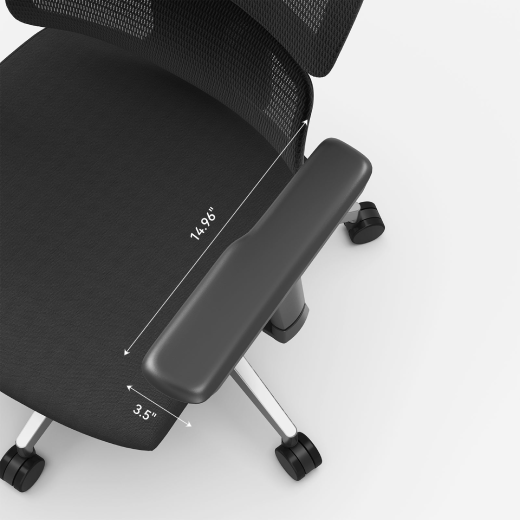
Ergonomic mechanics add another layer of complexity to component integration. Synchronous tilt mechanisms require precise lever actuation ratios, cable tensioning, and customized mounting hole patterns (such as 150x250mm or 153x300mm standard plates). Component alignment dictates how backrests, headrests, and armrests interface with the seat shell. For example, adjustable armrest mounting plates must sustain multi-directional torque without transferring rotational fatigue to the internal screw threads of the seat pan. Achieving flawless dimensional harmony across all modular parts prevents line stoppages and reduces customer warranty claims.
Why Does Supply Chain Integration and Specialized Workshop Manufacturing Prevent Quality Fractures?
One of the most persistent systemic challenges in high volume furniture manufacturing is quality variance caused by fragmented supply chain sourcing. When commercial buyers source a large quantity chair parts order from disconnected vendors, they often encounter color shifts in molded plastics, inconsistent powder-coating textures, and mechanical friction between moving components. Resolving these operational bottlenecks requires partnering with integrated manufacturing ecosystems capable of synchronized engineering control.
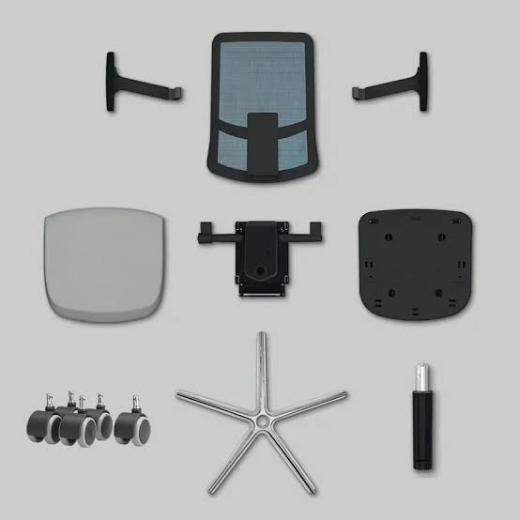
A unified manufacturing infrastructure overcomes these obstacles by establishing specialized production cells tailored to distinct material processes. Within a coordinated supply system, specialized workshops work together to produce different office chair components, including casters, chair bases, gas lift cylinders, mechanism plates, seat shells, backrests, headrests, armrests, and more. This collaborative division of labor ensures that metal-stamping workshops, plastic injection molding plants, and pneumatic testing labs operate under a single, unified quality management system (QMS).
Integrated workshop coordination allows for real-time cross-component validation. For example, the engineering team overseeing seat shell molding coordinates directly with the armrest and mechanism stamping workshops to align thread pitch tolerances, insert-molding depths, and structural reinforcement ribs. This level of cross-functional quality control is vital when executing a complex wholesale purchase chair components program, as it eliminates component binding, squeaking, and material mismatches prior to final assembly or bulk container shipment.
How to Mitigate Operational Pain Points in Global Freight Logistics and Material Integrity?
Managing the supply chain for a bulk order chair parts shipment extends beyond factory floor quality checks to encompass global logistics, freight density optimization, and environmental durability. Bulk component shipping presents unique challenges: heavy, dense metal parts (like mechanism plates and steel bases) must be packed alongside lighter, high-volume components (such as mesh backrests and molded foam seat shells) without causing transit abrasion or structural damage.
To mitigate cargo degradation and optimize container load factors, advanced manufacturers utilize specialized packaging geometries and surface protection techniques. Die-cast aluminum and nylon chair bases are nested using protective foam separators to prevent leg deformation, while pneumatic gas cylinders are shipped in moisture-controlled, heavy-duty corrugated cartons with safety caps protecting the release pin. Corrosion prevention is equally vital for metal components facing high-humidity oceanic transit. Electrostatic powder coatings and zinc-plated anti-corrosion treatments on mechanism plates must pass 72-hour or 96-hour neutral salt spray (NSS) testing to ensure they arrive ready for immediate installation.
Finally, B2B buyers must implement rigorous incoming quality control (IQC) protocols based on Acceptable Quality Limit (AQL) standards, such as ISO 2859-1. By establishing precise sampling plans for dimensions, mechanical functionality, and cosmetic finishing, procurement teams protect their brand reputation and secure maximum return on investment. Partnering with experienced manufacturing networks—such as those highlighted in specialized commercial product portfolios —ensures that every component, from the smallest twin-wheel caster to the most advanced ergonomic backrest frame, meets the stringent demands of modern commercial environments.
Frequently Asked Questions (FAQ)
What critical standards should be verified before placing a bulk order chair parts?
When sourcing bulk order chair parts, B2B buyers should request compliance certificates for ANSI/BIFMA X5.1 (North America) or DIN EN 1335 (Europe). For load-bearing elements like gas lift cylinders, verify DIN 4550 Class 3 or Class 4 ratings. Additionally, request Material Test Reports (MTRs) to confirm tensile strength, raw steel specifications, and cycle-test durability for mechanism plates and bases.
How can procurement teams prevent tolerance issues across multi-vendor chair components?
Tolerance stack-up occurs when bulk order chair parts from different suppliers fail to fit seamlessly due to minor dimensional variances. To avoid assembly line friction or structural instability, procurement managers should specify standardized Morse taper tolerances for gas lifts, standard 11mm x 22mm stem dimensions for casters, and precise mounting hole patterns for tilt mechanisms. Partnering with an integrated manufacturer where specialized workshops coordinate production reduces cross-component alignment failures.
What are the main causes of component damage during oceanic transit, and how can they be mitigated?
Transit degradation is typically caused by high moisture levels leading to metal oxidation, as well as mechanical abrasion from shifting cargo. These risks can be mitigated by ensuring suppliers perform Neutral Salt Spray (NSS) corrosion testing (72–96 hours) on steel and alloy mechanisms. Furthermore, protective nesting, moisture controlled corrugated packaging, and release-pin safety caps should be standard packaging requirements.
Streamline Your Office Furniture Supply Chain Today
Navigating bulk order chair parts sourcing, engineering compliance, and international logistics shouldn't hold back your business growth. Whether you need heavy-duty mechanism plates, Class 4 gas lift cylinders, or fully integrated ergonomic backrests and armrests, working with a synchronized manufacturing partner ensures every part meets rigid commercial standards.
Ready to optimize your bulk order chair parts procurement and elevate your product quality?
Contact FSGROWING's Engineering & Sourcing Team today to request technical data sheets, review CAD specifications, or obtain a competitive quotation for your next high volume order.
Green Chair Parts and Eco Manufacturing
Nylon vs Metal Chair Base: Which Material Is Better for Office Chairs?
Latest Blog