
NEWS
Data is empty
Office Chair Parts Breakdown Guide
Modern office chairs are no longer simple seating products. They are engineered systems built from multiple structural, ergonomic, and mechanical components working together to support posture, mobility, productivity, and long term comfort. As remote work, hybrid offices, and ergonomic awareness continue to grow, searches related to“office desk chair parts” have increased significantly across Google.
Users are no longer only searching for complete chairs. They want to understand why gas lifts fail, how tilt mechanisms work, whether office chair parts are universal, which caster materials protect flooring, and how ergonomic components influence spinal alignment. Many buyers also search for replacement parts because office chairs are modular products where one failed component can affect the entire seating system.
Chapter 1: What Are the Main Parts of an Office Chair and Why Do They Matter?
When users search “parts of an office chair,” they usually want more than a simple diagram. They want to know how each component affects comfort, lifespan, adjustability, and maintenance.
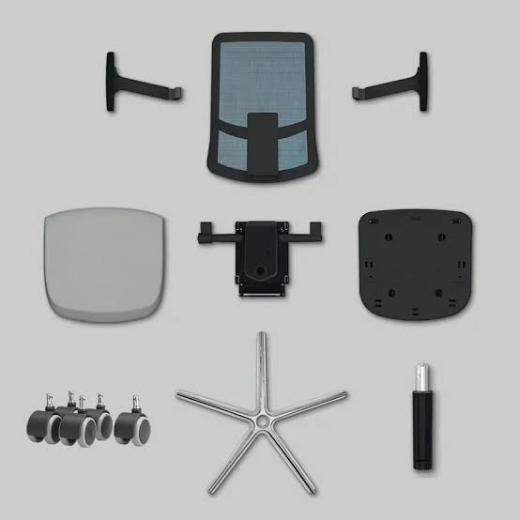
A modern office chair generally consists of the following core systems:
Casters
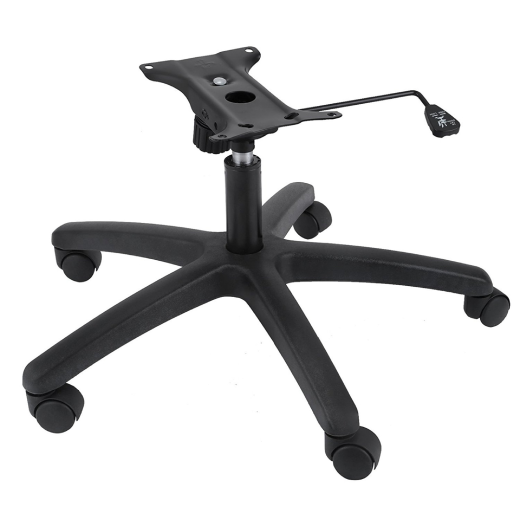
Chair base
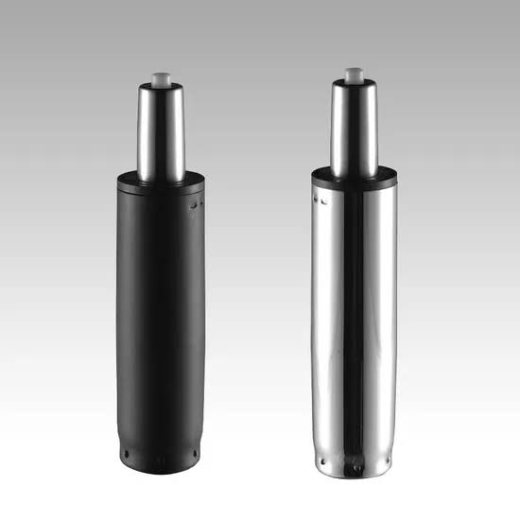
Gas lift cylinder
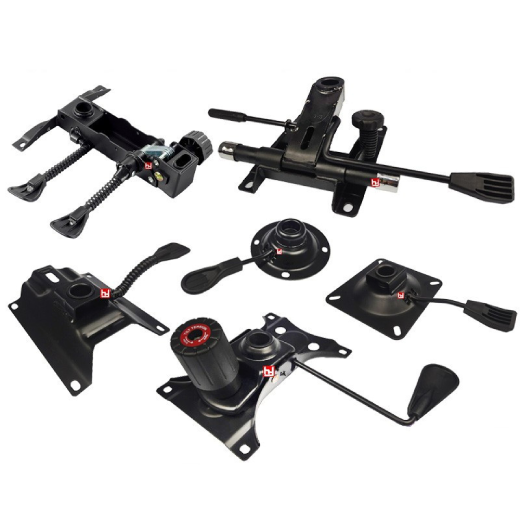
Mechanism plate
Seat shell
Backrest
Lumbar support
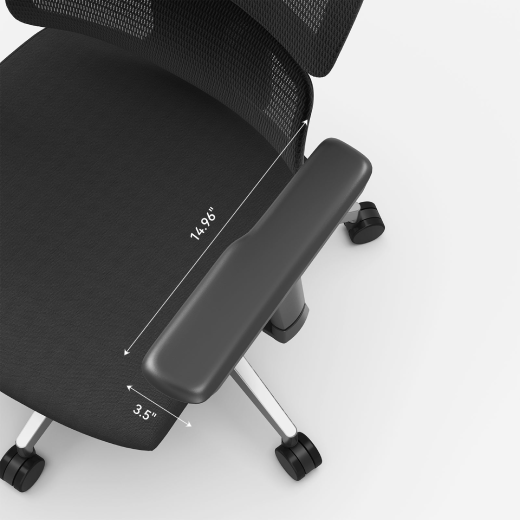
Armrests
Headrest
Upholstery and cushioning
Each component directly affects ergonomic performance and durability.
Why Are Casters More Important Than Most Buyers Realize?
Casters are among the most overlooked office desk chair parts, yet they experience constant movement stress. Poor-quality wheels can create excessive rolling resistance, damage floors, increase workplace noise, and wear out quickly under uneven loads.
Most ergonomic chairs use either:
Hard casters for carpeted surfaces
Soft PU casters for hardwood or tile floors
Twin wheel casters for smoother movement
Locking casters for healthcare or precision workspaces
Google users frequently search:
“Why are office chair wheels sticking?”
“How to replace office chair casters?”
“Best caster material for hardwood floors?”
The reason is simple: casters are usually the first moving part exposed to debris, hair buildup, and mechanical wear. Reddit discussions also show that cracked wheels and poor rolling performance are among the most common complaints in lower-cost office chairs.
What Does the Chair Base Actually Do?
The chair base is the structural foundation of the chair. Most office chairs use a five-star base because it distributes load evenly and improves anti-tip stability.
Common base materials include:
Nylon
Reinforced fiberglass nylon
Aluminum alloy
Chrome plated steel
High end ergonomic chairs often use aluminum bases because of their superior strength-to-weight ratio and premium appearance. Meanwhile, low-cost office chairs frequently use thinner plastic bases that may crack under repeated dynamic loading.
The base also determines:
Load bearing capacity
Long term structural fatigue resistance
Overall chair stability
Compatibility with gas lift cylinders
Users searching “office chair base cracked” or “replace chair base” are usually dealing with structural fatigue caused by inferior material engineering rather than simple cosmetic damage.
Why Is the Gas Lift Cylinder Considered the Core Mechanical Component?
The gas lift cylinder controls seat height adjustment using compressed gas technology. It connects the seat mechanism to the chair base and experiences constant pressure cycles.
Common Google search intent includes:
“Why does my office chair sink?”
“How to replace office chair gas lift?”
“Are office chair gas cylinders universal?”
The “sinking chair” issue is one of the most common office chair failures worldwide.
High quality gas lifts are typically classified by safety levels such as:
Class 2
Class 3
Class 4
Class 4 cylinders are widely preferred in premium ergonomic seating because they offer:
Higher pressure tolerance
Better sealing performance
Longer cycle life
Greater load capacity
Poor sealing quality often leads to slow air leakage, causing gradual seat sinking over time.
Chapter 2: How Do Ergonomic Office Chair Parts Affect Human Posture and Long Term Health?
One of the biggest shifts in search behavior is that users are no longer only comparing appearance or price. They increasingly search:
“Best lumbar support design”
“2D vs 4D armrests”
“Dynamic lumbar support explained”
“How should an ergonomic chair fit?”
This reflects growing awareness that office chair parts directly affect musculoskeletal health.
Why Is Lumbar Support the Most Discussed Ergonomic Feature?
The lumbar system supports the natural inward curve of the lower spine.
Without proper lumbar support:
Pelvic tilt increases
Spinal compression rises
Muscle fatigue accelerates
Long duration sitting becomes harmful
Modern ergonomic chairs use several lumbar designs:
Fixed Lumbar Support
Lower cost solution with limited adaptability.
Adjustable Lumbar Support
Allows vertical or depth adjustment for different body sizes.
Dynamic Lumbar Support
Automatically adapts to user movement and posture changes.
Dynamic systems have become increasingly popular because sitting posture is not static. The body constantly shifts position throughout the day.
Are 4D Armrests Really Necessary?
Many users search whether 3D or 4D armrests are worth the upgrade.
Armrests influence:
Shoulder tension
Wrist angle
Elbow positioning
Typing posture
Fixed armrests often force unnatural arm positioning, especially for users with non-standard desk heights.
Modern armrests may support:
Height adjustment
Width adjustment
Forward/backward sliding
Pivot rotation
The rise of adjustable armrest searches reflects increasing ergonomic literacy among consumers.
Why Are Seat Shell Design and Foam Density Critical?
Users often focus on visible features while ignoring seat engineering.
The seat shell determines:
Weight distribution
Structural rigidity
Pressure balance
Long term sitting stability
Poorly designed seat shells create pressure concentration points that accelerate foam collapse and discomfort.
Meanwhile, foam density directly affects:
Cushion resilience
Compression recovery
Thermal retention
Long term durability
Low density foam often flattens within 1–2 years of heavy use.
Chapter 3: Why Do Office Chair Parts Fail and What Problems Exist in the Industry?
One major reason users search “office chair parts breakdown guide” is because modern office chairs are repair-heavy products.
Unlike static furniture, office chairs contain:
Moving joints
Rotating systems
Pneumatic pressure components
Load bearing mechanisms
Every moving part becomes a potential wear point.
What Are the Most Common Office Chair Failure Points?
Industry discussions and repair forums repeatedly mention the same problems:
Gas Lift Failure
The chair slowly sinks due to seal leakage.
Loose Armrests
Repeated side loading weakens fastening points.
Broken Casters
Cheap plastic materials crack under dynamic movement.
Mechanism Plate Failure
Tilt lock systems stop functioning correctly.
Flattened Seat Foam
Compression fatigue reduces support quality.
Cracked Chair Bases
Inferior plastic materials fail under stress concentration.
Are Office Chair Parts Universal?
The answer is partially. Some components are semi-standardized:
Gas lifts
Casters
Certain mechanism interfaces
However, many parts remain proprietary:
Seat shells
Armrests
Backrest connectors
Headrest systems
This creates major aftermarket replacement challenges.
Users often discover that:
Bolt patterns differ
Taper sizes vary
Mechanism mounting holes are incompatible
Why Do Cheap Office Chairs Often Fail Faster?
The global office chair market has become extremely cost-competitive.
Many low cost manufacturers reduce costs through:
Thinner steel thickness
Lower-grade plastic resin
Reduced foam density
Inferior weld quality
Short cycle testing standards
This creates chairs that appear visually attractive online but fail structurally after limited use.
Users increasingly search:
“Why do cheap office chairs wobble?”
“Why does my chair squeak?”
“How long should an ergonomic chair last?”
The root cause is usually hidden component quality rather than exterior aesthetics.
Chapter 4: How Modern Office Chair Components Are Manufactured and Why Supply Chain Integration Matters
Behind every ergonomic office chair is a highly specialized manufacturing ecosystem.
Most consumers assume a single factory produces an entire chair. In reality, office chair production is highly segmented.
Different suppliers often specialize in:
Injection molding
Aluminum die casting
PU wheel production
Gas lift manufacturing
Foam molding
Metal stamping
Upholstery sewing
This specialization is essential because each component requires unique engineering expertise and manufacturing processes.
For example:
Casters require rolling resistance testing
Gas lifts require pressure sealing technology
Mechanism plates require fatigue-cycle testing
Seat shells require structural injection molding precision
This is why integrated supply chains are becoming increasingly important in the office furniture industry.
Companies such as FSGROWING operate through specialized workshops that work together to produce different office chair components, including casters, chair bases, gas lift cylinders, mechanism plates, seat shells, backrests, headrests, armrests, and more. This type of component focused manufacturing structure helps maintain production consistency across multiple chair systems while supporting large-scale OEM and commercial furniture manufacturing.
Why Are Buyers Paying More Attention to Component Manufacturing?
B2B buyers increasingly evaluate:
Component traceability
Testing capability
Material certifications
Fatigue testing standards
Multi-component production coordination
This trend exists because modern office chairs are no longer simple furniture products. They are long term ergonomic systems used for:
Hybrid offices
Call centers
Gaming environments
Corporate workstations
Healthcare workspaces
As sitting duration increases globally, component reliability becomes directly tied to workplace health and productivity.
FAQ: Deep Industry Questions About Office Chair Parts
What Is the Most Important Part of an Ergonomic Office Chair?
The answer depends on user needs, but the lumbar support system and mechanism plate usually have the greatest ergonomic impact because they control posture support and movement dynamics.
Why Do Office Chair Gas Lifts Fail So Often?
Gas lifts operate under continuous pneumatic pressure. Low-quality sealing rings and poor cylinder machining lead to gradual pressure leakage.
Are Expensive Office Chair Parts Actually Better?
Usually yes. Premium components often use:
Higher fatigue cycle testing
Better polymer materials
Stronger steel structures
Higher-density foam
More advanced ergonomic engineering
Hydraulic vs Pneumatic Systems: Which Technology Performs Better in Modern Chair Lift Mechanisms?
Why Choose Chinese Chair Parts Manufacturer?
Latest Blog