
NEWS
Data is empty
Office Chair Parts Supplier Guide
The office chair industry is not just about assembling a comfortable seat; it is an intricate blend of engineering, design, and manufacturing expertise. Whether you're sourcing parts for a corporate office setup or embarking on a personal project, understanding the nuances of the supply chain and the different options available is essential.
What Makes a Reliable Office Chair Parts Supplier?
The Key Components of Office Chair Parts
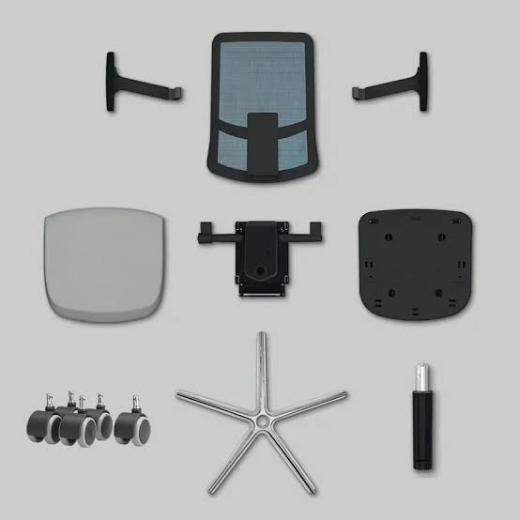
When sourcing office chair parts, it's crucial to understand what makes up an office chair. Typically, these include:
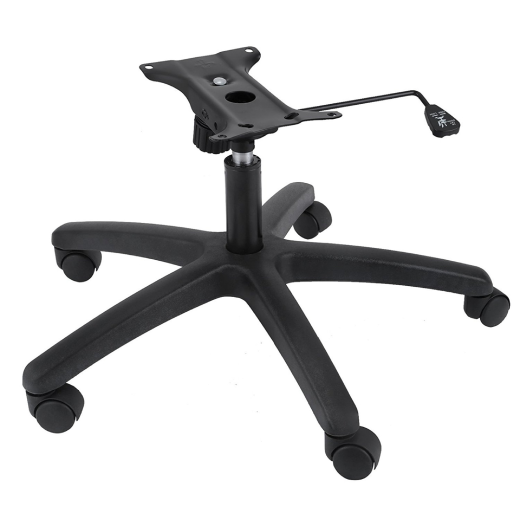
Base – The foundation of an office chair, often made from high-quality materials like steel, aluminum, or plastic.
Seat Cushion – A crucial element for comfort, made from foam or memory foam.
Backrest and Lumbar Support – Important for ergonomics, these parts help reduce strain during long hours of sitting.
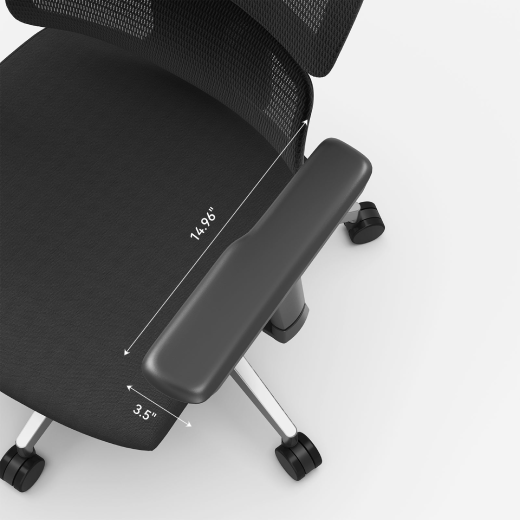
Armrests – While often overlooked, adjustable armrests significantly enhance comfort.
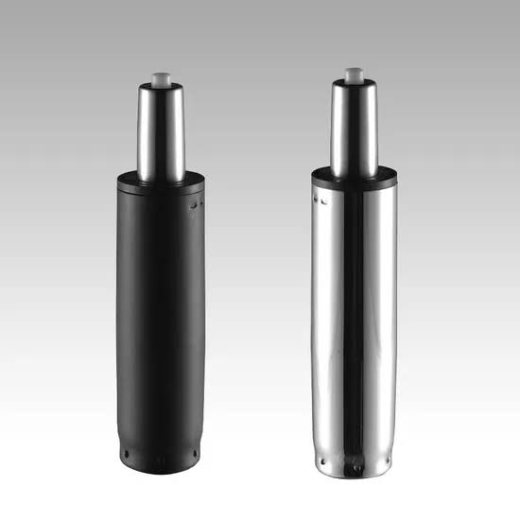
Gas Lift – This mechanism controls the chair's height adjustment, a critical function for user comfort.
Understanding these parts will help you evaluate potential suppliers who can provide top-quality components tailored to your needs.
What Sets the Best Chair Parts Manufacturers Apart?
When evaluating chair parts manufacturer, there are several factors to consider that go beyond just the parts themselves. These include:
Quality Assurance: How does the supplier maintain the integrity of their products? A good supplier will employ rigorous quality control measures.
Customization: Some suppliers, such as FSGROWING, offer tailored parts that align with specific ergonomic needs or corporate branding.
Lead Times and Delivery: A reliable supplier should offer transparency about lead times and their ability to meet deadlines.
Sustainability: As sustainability becomes increasingly important in manufacturing, look for suppliers who focus on environmentally friendly processes.
Choosing a chair parts manufacturer with these capabilities can help ensure that your office chair parts are durable, comfortable, and sustainable.

Understanding Chair Parts Factories and Their Manufacturing Processes
How Are Office Chair Parts Manufactured?
Office chair parts are typically manufactured through several key processes:
Injection Molding: This process is used for producing plastic parts like the chair base, armrests, and casters. High precision is essential for creating durable, functional pieces.
Metalworking: Components such as the frame, gas lift, and base are often made from metal. Factories rely on CNC (Computer Numerical Control) machines for accuracy.
Foam Molding: For seat cushions, backrests, and armrests, foam is shaped and molded into the required form before being covered with fabric or leather.
Assembly: Once all the parts are produced, they are assembled in a factory to ensure they fit seamlessly together.
Each step in this manufacturing process requires skilled craftsmanship and state-of-the-art machinery. Understanding this process can help you better gauge the capabilities of a supplier.
What Should You Expect from a Chair Parts Factory?
When working with a chair parts factory, consider the following aspects:
Certification and Compliance: Ensure the factory adheres to industry standards, such as ISO certifications, to guarantee product quality and safety.
Capacity and Scalability: A reputable factory should be able to handle large orders, whether for a few units or bulk production.
Technology and Innovation: Look for factories that are constantly innovating, using the latest technologies to enhance efficiency, reduce waste, and improve the overall product.
By evaluating these factors, you can determine whether a chair parts factory is capable of delivering high quality products at competitive prices.
Common Pain Points in Sourcing Office Chair Parts
What Challenges Do Companies Face When Sourcing Office Chair Parts?
While the demand for ergonomic and durable office furniture continues to grow, sourcing the right chair parts can come with its fair share of challenges. Below are some of the most common pain points:
Inconsistent Quality: Not all suppliers maintain consistent quality control across their product lines, leading to variations in the parts supplied. This can result in chairs that don't assemble properly or fail to meet performance expectations.
Shipping Delays and Inventory Issues: Long lead times and inventory shortages can cause significant delays in the procurement process. Businesses often face challenges in coordinating supply chains, especially when sourcing parts globally.
Complex Customization: Customization is a key requirement for many companies, but sourcing suppliers who can accurately meet these requirements can be challenging. Whether it's specific colors, materials, or ergonomic features, customization must be aligned with functionality.
Sustainability Concerns: As demand grows for eco-friendly products, many companies face difficulty finding sustainable office chair parts that do not compromise on quality or price.
How Can You Overcome These Challenges?
To mitigate these pain points, companies must:
Establish strong, transparent relationships with suppliers.
Prioritize suppliers that offer comprehensive product warranties and customer support.
Work with factories that provide eco-friendly options to meet sustainability goals.
Use technology like 3D models to ensure that parts are customized correctly before manufacturing.
By understanding these challenges and proactively addressing them, companies can streamline their supply chain and ensure the best office chair parts for their needs.
Frequently Asked Questions About Office Chair Parts Suppliers
What Is the Difference Between an Office Chair Parts Supplier, Manufacturer, and Factory?
Supplier: A business or entity that provides office chair parts to customers. They may source these parts from multiple manufacturers or factories.
Manufacturer: This refers to the company that produces the office chair parts, often overseeing the entire production process, from design to manufacturing.
Factory: A factory is the physical location where the parts are produced. It is where the manufacturers operate their machinery, assemble products, and ensure quality control.
How Do I Choose the Right Chair Parts Supplier?
When choosing a chair parts supplier, consider these factors:
Product Range: Does the supplier offer a wide variety of parts for different office chair models?
Reputation: Research the supplier's reputation by checking reviews and talking to other businesses that have worked with them.
Customer Service: Reliable customer service is crucial for resolving issues quickly and efficiently.
Lead Time: Suppliers should be able to deliver products within a reasonable time frame without delays.
Are There Sustainable Options for Office Chair Parts?
Yes, many chair parts suppliers now offer environmentally friendly options. Look for companies that use recycled materials, offer energy-efficient manufacturing processes, and focus on reducing waste during production. Some suppliers may even offer chair parts made from biodegradable plastics or sustainably sourced fabrics.
What Is the Typical Cost for Office Chair Parts?
The cost of office chair parts depends on several factors, including the type of part, material quality, and customization. Generally, basic parts like casters and base components are less expensive, while custom-made parts, such as ergonomic backrests or advanced gas lifts, tend to cost more.
Sourcing the right office chair parts is an integral part of ensuring the durability, comfort, and functionality of office furniture. By understanding the key components, manufacturing processes, and common pain points, businesses can make informed decisions when selecting suppliers. A supplier like FSGROWING can offer tailored solutions that meet specific ergonomic needs and design preferences, helping companies create the ideal office chair for their workspace.
Global Chair Parts Market in 2026
Why the Mechanism Is the Real “Core Component” of Seating Performance?
Latest Blog