
NEWS
Data is empty
Office Chair Wheels Selection Guide
Office chair wheels may seem like one of the simplest components of an ergonomic chair, but they play a critical role in mobility, user safety, floor protection, and overall chair lifespan. Whether you're purchasing seating for a corporate office, outfitting a coworking space, manufacturing ergonomic chairs, or sourcing components for OEM production, selecting the right office chair castors requires more than choosing the correct size.
Why Are Office Chair Wheels More Important Than Most Buyers Realize?
How do office chair wheels affect daily ergonomics?
Every movement made while sitting places forces on the chair's rolling system. Poor-quality wheels can create unnecessary resistance, increase physical effort, generate noise, and even contribute to user fatigue.
High quality office chair wheels provide:
Smooth multidirectional movement
Stable weight distribution
Reduced rolling resistance
Better maneuverability
Improved sitting posture through easier repositioning
Lower strain during frequent movement
Although casters account for only a small portion of the chair's overall cost, they have a significant influence on the user experience.
Why do chair casters wear out?
Casters are among the highest-wear components on an office chair because they are constantly exposed to:
Continuous rolling
Shock loads when sitting down
Dust and debris
Hair entanglement
Uneven flooring
Heavy user weights
Frequent directional changes
Over time, these factors can cause worn treads, damaged bearings, reduced mobility, or broken stems, making chair wheels replacement a normal part of long term chair maintenance.
Why should buyers choose wheels based on flooring rather than appearance?
One of the most common sourcing mistakes is selecting casters solely by price or appearance.
Different floor surfaces require different wheel materials to achieve the best balance between mobility and floor protection.
Examples include:
Hardwood flooring
Laminate flooring
Vinyl flooring
Ceramic tile
Low-pile carpet
High-pile carpet
Epoxy industrial flooring
Choosing incompatible wheels can lead to scratches, excessive rolling resistance, or premature wheel wear.

How Do You Choose the Best Chair Casters for Different Applications?
What materials are commonly used for office chair castors?
Caster material directly affects durability, noise levels, and floor compatibility.
Nylon Casters
Nylon wheels are widely used because they are durable, lightweight, and cost-effective. They perform well on carpeted floors but may be less suitable for delicate hard surfaces due to their harder contact material.
Polyurethane (PU) Casters
PU casters combine a durable core with a softer outer tread. They provide quieter operation, smoother rolling, and better protection for hardwood, laminate, and tile flooring.
Rubber Casters
Rubber wheels offer excellent grip and vibration absorption. They are commonly selected where noise reduction and floor protection are priorities, though they may create more rolling resistance than PU wheels.
Are larger office chair wheels always better?
Not necessarily.
Larger casters generally roll more easily over uneven surfaces and carpet, but they also change the chair's overall seat height and center of gravity.
When selecting wheel diameter, buyers should consider:
Chair design
User height
Floor type
Load capacity
Stability requirements
Aesthetic compatibility
The ideal wheel size is determined by the application rather than by a single "best" dimension.
What should buyers consider when selecting chair wheels replacement parts?
Replacing worn casters requires more than matching wheel appearance.
Important factors include:
Stem type
Stem dimensions
Wheel diameter
Load rating
Bearing quality
Material compatibility
Swivel performance
Brake requirements, if applicable
Using incompatible replacement wheels can reduce chair stability or cause installation problems.
What Technical Factors Determine Long Term Caster Performance?
Why is bearing quality just as important as wheel material?
Many buyers focus on tread material while overlooking internal bearing quality.
Bearings determine:
Rolling smoothness
Noise levels
Long term durability
Resistance to contamination
Ease of movement under heavy loads
Low quality bearings often become the first point of failure even when the wheel itself remains intact.
How does load capacity influence caster selection?
Every caster has a specified load capacity. Exceeding this limit can accelerate wear, deform wheel materials, and reduce safety.
Professional buyers evaluate:
Dynamic load
Static load
Rolling frequency
User weight distribution
Chair application
Commercial office environments often require higher-performance casters than residential workspaces due to heavier daily usage.
Why does manufacturing consistency matter?
Even well-designed casters can perform poorly if production quality is inconsistent.
Reliable performance depends on:
Precision molding
Material consistency
Accurate stem dimensions
Bearing installation accuracy
Surface finishing
Quality inspection
Manufacturers with integrated production systems are often better positioned to maintain consistent quality across multiple office chair components.
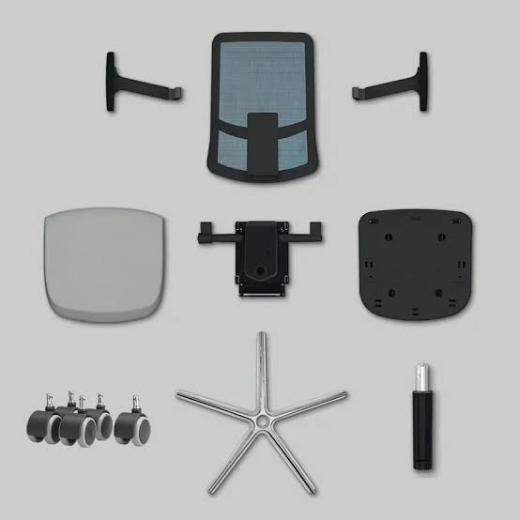
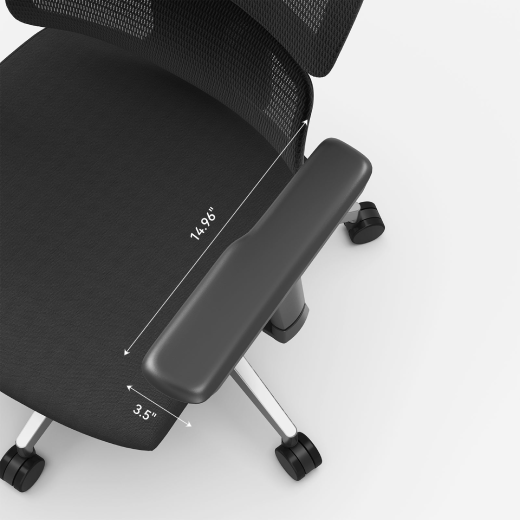
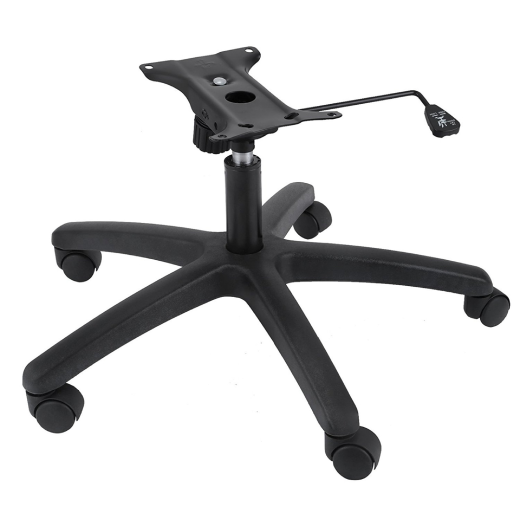
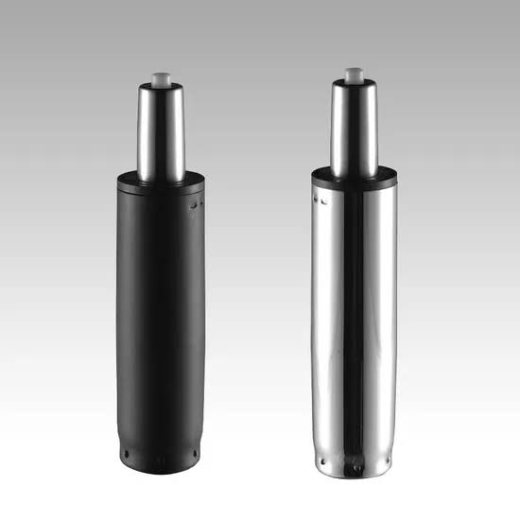
For example, FSGROWING organizes production through specialized workshops that manufacture different office chair components, including chair casters, chair bases, gas lift cylinders, mechanism plates, seat shells, backrests, headrests, armrests, and more. Coordinating these manufacturing processes within one production system helps maintain dimensional compatibility between components while supporting consistent product quality for OEM and commercial furniture projects.
Should buyers evaluate caster testing procedures?
Absolutely.
Professional manufacturers typically perform tests that evaluate:
Rolling endurance
Swivel fatigue
Impact resistance
Static loading
Dynamic loading
Stem retention
Wear resistance
These evaluations help identify potential weaknesses before products enter the market.
Future Trends in Office Chair Wheels and Caster Design
Why are soft-floor casters becoming increasingly popular?
Modern office environments increasingly feature hardwood, vinyl, and luxury flooring rather than traditional carpet.
As a result, demand continues to grow for:
Polyurethane casters
Low-noise wheels
Scratch-resistant treads
Non-marking materials
These solutions improve floor protection while maintaining smooth mobility.
How are sustainability goals influencing caster manufacturing?
Environmental considerations are reshaping material selection and manufacturing processes.
Emerging trends include:
Recyclable engineering plastics
Reduced material waste
Lightweight component design
Longer product life cycles
Improved manufacturing efficiency
Durable casters not only reduce replacement frequency but also support more sustainable office furniture systems.
Will smart manufacturing improve wheel quality?
Advanced production technologies continue to improve consistency and traceability.
Manufacturers increasingly use:
Automated injection molding
Vision-based quality inspection
Digital production monitoring
Precision dimensional measurement
Statistical process control
These technologies help reduce production variation and improve long-term reliability.
Frequently Asked Questions
How do I choose the best office chair wheels?
The best office chair castors depend on your flooring, chair type, load requirements, and usage frequency. PU wheels are often preferred for hard floors, while nylon wheels are commonly used on carpeted surfaces.
Are all chair casters universal?
No. Although many office chairs use standard stem sizes, stem dimensions, mounting types, wheel diameters, and load capacities can vary. Always verify compatibility before purchasing replacement casters.
When should I replace chair wheels?
Chair wheels replacement is recommended when wheels no longer roll smoothly, produce excessive noise, wobble, develop flat spots, or show visible structural damage.
Which caster material lasts the longest?
Durability depends on both material quality and application. High-quality nylon and polyurethane casters generally offer excellent service life when matched with appropriate flooring and load conditions.
Why do office chair wheels become difficult to roll?
Common causes include accumulated debris, worn bearings, damaged wheel treads, overloaded chairs, or incompatible flooring. Regular cleaning and timely replacement can restore smooth movement.
Selecting the right office chair wheels is a technical decision that influences user comfort, workplace safety, maintenance costs, and furniture longevity. From choosing the correct chair casters for specific flooring to understanding bearing quality, load capacity, and manufacturing consistency, informed purchasing decisions deliver long-term value.
For OEM manufacturers, furniture brands, and commercial buyers, evaluating caster quality alongside the broader office chair component system helps ensure reliable performance throughout the product's lifecycle. As workplace expectations continue to evolve, durable and well-engineered chair wheels replacement solutions will remain an essential part of modern office seating design.
Emerging Trends in Chair Design
How to Do the Chair Test?
Latest Blog