
NEWS
Data is empty
Reclining Mechanism Explained
When users adjust an office chair backward for relaxation or change their sitting position during a long working day, they are interacting with one of the most important engineering systems inside the chair — the reclining mechanism.
A high quality chair reclining mechanism directly affects comfort, posture support, durability, and overall user experience. While many people focus on cushions, upholstery, or appearance when choosing an office chair, the internal mechanism determines how smoothly the chair moves, how safely it supports different sitting angles, and how well it performs after years of repeated use.
What Is a Chair Reclining Mechanism and How Does It Work?
Why is the reclining mechanism considered the core structure of an office chair?
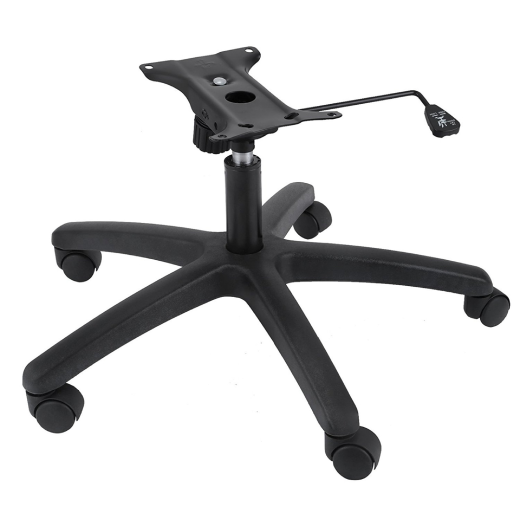
A reclining mechanism is the mechanical system installed between the seat and chair base that controls how the chair moves when users lean backward.
Unlike a simple hinge, a modern mechanism manages several functions simultaneously:
Backrest movement
Seat angle adjustment
Reclining resistance
Locking positions
Weight support
Synchronization between seat and backrest
The mechanism acts as the connection point between human movement and chair structure, making it one of the most important components affecting ergonomic performance.
How does a chair reclining mechanism create smooth movement?
A typical reclining system uses a combination of:
Steel frames
Pivot points
Springs
Bearings
Locking systems
Tension adjustment components
When a user leans backward, body weight creates force on the backrest. The mechanism transfers this force through internal structures while controlling movement speed and resistance.
A well-designed system allows:
Smooth reclining
Controlled movement
Stable support at different angles
Reduced stress on the chair frame
Poorly designed mechanisms often create uneven movement or sudden backward shifts, reducing both comfort and safety.
Why is reclining adjustment important for ergonomic office chairs?
Humans naturally change posture throughout the day. Remaining in one fixed position for extended periods can increase pressure on the spine, shoulders, and lower back.
A reclining system allows users to:
Reduce spinal pressure
Change working positions
Relax during breaks
Maintain better posture flexibility
Modern ergonomic chairs are therefore designed around dynamic sitting rather than a single static posture.

What Are the Different Types of Tilt Mechanism Chair Designs?
What is a basic tilt mechanism chair system?
A basic tilt mechanism chair allows the user to lean backward while the seat and backrest move together.
Common features include:
Single locking position
Tilt tension adjustment
Simple spring structure
Cost effective design
This type of mechanism is widely used in entry-level office chairs because it provides basic reclining functionality without complex adjustments.
How does a synchro tilt mechanism improve sitting comfort?
A synchronized tilt mechanism allows the seat and backrest to move at different angles while maintaining ergonomic balance.
For example:
The backrest reclines further backward
The seat slightly changes angle
The user's body remains supported
This design reduces the feeling of sliding forward during reclining and helps maintain better posture.
What is a multi function reclining mechanism?
A multi function mechanism provides more adjustment possibilities.
Typical functions include:
Backrest angle adjustment
Seat tilt adjustment
Forward tilt
Multiple locking positions
Independent tension control
These mechanisms are commonly used in high end ergonomic office chairs because they provide greater customization.
How should buyers select the right reclining mechanism?
The ideal mechanism depends on:
Chair application
User requirements
Expected usage hours
Target market
Budget level
Durability expectations
For example:
Conference chairs may require simple reclining functions.
Executive chairs may prioritize smooth adjustment and premium feel.
Intensive workplace seating may require high-cycle durability mechanisms.
Selecting a mechanism based only on price often leads to performance problems later.
Which Reclining Office Chair Parts Determine Performance and Durability?
Why are internal components more important than the external appearance?
Many chair failures occur inside the mechanism rather than on visible surfaces.
Important reclining office chair parts include:
Mechanism Plate
The mechanism plate connects the seat structure with the reclining system. Its strength and precision influence stability during movement.
Spring System
Springs control reclining resistance. Poor-quality springs may lose elasticity after repeated use.
Locking Components
Locking systems determine whether users can safely maintain specific reclining positions.
Pivot Points and Bearings
These parts influence movement smoothness and reduce friction.
Tension Control Components
These allow users to adjust reclining resistance according to body weight and preference.
Each component must work together to create a reliable reclining experience.
Why does material quality affect mechanism lifespan?
A reclining mechanism experiences repeated mechanical stress every day.
Material selection influences:
Load capacity
Fatigue resistance
Wear performance
Structural stability
High quality steel components and precise manufacturing processes help prevent:
Cracking
Deformation
Loose connections
Excessive movement
This is why professional manufacturers invest heavily in component engineering and quality control.
How does integrated manufacturing improve mechanism reliability?
A chair mechanism cannot be evaluated separately from the rest of the chair structure.
The mechanism must match:
Seat frame dimensions
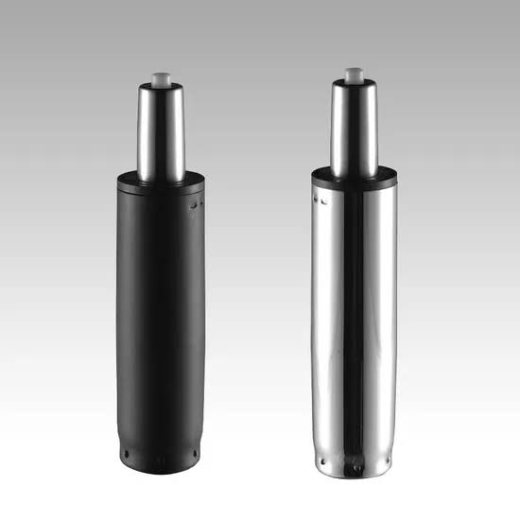
Gas lift specifications
Base strength
User weight requirements
Assembly tolerances
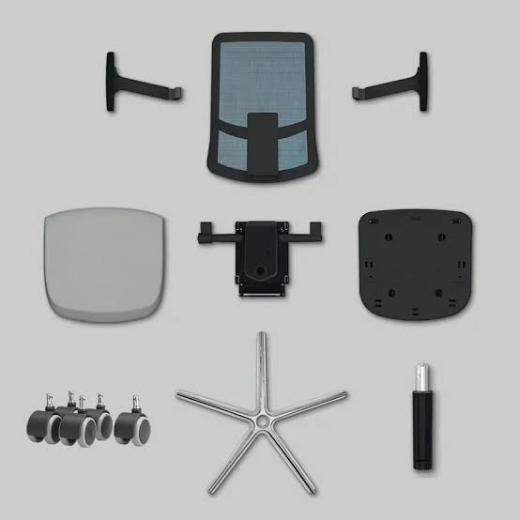
For example, FSGROWING operates specialized workshops that work together to produce different office chair components, including casters, chair bases, gas lift cylinders, mechanism plates, seat shells, backrests, headrests, armrests, and more. This integrated production approach supports better coordination between mechanism design, component compatibility, and overall chair assembly requirements.
What testing methods are used for reclining mechanisms?
Professional manufacturers typically evaluate mechanisms through:
Repeated reclining cycle tests
Load bearing tests
Locking durability tests
Structural fatigue testing
Angle adjustment tests
These evaluations simulate long-term workplace usage and identify potential weaknesses before mass production.
What Future Trends Are Shaping Chair Reclining Mechanism Development?
Will ergonomic mechanisms become more adaptive?
Future reclining systems are expected to provide more intelligent adjustment.
Potential developments include:
Automatic tension adjustment
Body-weight sensing systems
Personalized reclining settings
Smart posture feedback
The goal is to create chairs that adapt naturally to different users.
Why are lightweight and durable mechanisms becoming more important?
Modern furniture manufacturers are balancing multiple requirements:
Strong performance
Lower material usage
Easier transportation
Sustainability goals
Advanced materials and optimized structures help reduce weight while maintaining mechanical strength.
How is modular design changing reclining office chair parts?
Modular mechanisms provide advantages such as:
Easier maintenance
Faster upgrades
Lower replacement costs
Simplified production
Instead of replacing an entire chair, users may replace specific components, extending product lifespan.
Why will mechanism innovation influence future office chair competition?
As chair designs become increasingly similar in appearance, internal engineering becomes a key differentiation factor.
Future competition will focus on:
Movement quality
Adjustment precision
Component durability
User adaptability
Long term reliability
The reclining mechanism will remain one of the most important areas of innovation.
Frequently Asked Questions
What is a chair reclining mechanism?
A chair reclining mechanism is the mechanical system that controls how an office chair's seat and backrest move backward. It manages reclining angles, resistance, locking positions, and user support.
What is the difference between a tilt mechanism chair and a reclining mechanism?
A tilt mechanism chair usually refers to systems that allow the entire seat structure to tilt backward, while a reclining mechanism specifically controls backrest movement and reclining functions. Many modern chairs combine both functions.
Why does my reclining office chair become loose over time?
Common causes include:
Worn pivot points
Reduced spring tension
Loose connection bolts
Fatigue from repeated use
Low quality internal components
Regular inspection and selecting durable mechanisms can reduce these problems.
What are the most important reclining office chair parts?
Key reclining office chair parts include mechanism plates, springs, locking systems, tension controls, pivot points, and bearings. Their quality directly affects comfort, safety, and service life.
How long should a good chair reclining mechanism last?
The lifespan depends on design quality, materials, usage frequency, and testing standards. Commercial-grade mechanisms are typically designed for extensive repeated cycles under controlled durability testing.
A reclining mechanism is far more than a simple adjustment feature — it is the mechanical foundation that determines how an office chair supports movement, comfort, and long-term use.
Understanding different chair reclining mechanism designs, evaluating tilt mechanism chair functions, and recognizing the importance of reclining office chair parts helps buyers make better decisions when selecting office seating solutions.
As ergonomic expectations continue to increase, future chair development will rely increasingly on advanced mechanisms, precise engineering, and durable component manufacturing to create seating systems that better adapt to human needs.
Adjustable Armrest Solutions: How to Choose the Right Office Chair Armrest for OEM Projects
Emerging Trends in Chair Design
Latest Blog