
NEWS
Data is empty
Top Rated Heavy Duty Chair Bases with High Weight Capacity
Office chairs are often evaluated by their upholstery, ergonomic features, or adjustment mechanisms. However, one of the most critical structural components is frequently overlooked: the chair base. For users who require higher weight capacities, extended daily usage, or demanding workplace environments, selecting the right heavy duty chair base can significantly impact safety, durability, and overall seating performance.
As more businesses invest in ergonomic seating for larger workforces, industrial facilities, control rooms, gaming environments, and 24/7 operation centers, searches for terms such as heavy duty chair base continue to grow. Buyers are no longer focused solely on weight ratings; they are looking for structural engineering, material quality, fatigue resistance, and long-term reliability.
What Is a Heavy Duty Chair Base and Why Does Weight Capacity Matter?
What Defines a Heavy Duty Chair Base?
A heavy duty chair base is specifically engineered to support higher loads than conventional office chair bases. While standard office chairs often accommodate users up to 250–300 lbs (113–136 kg), heavy-duty models are commonly designed for capacities ranging from 350 lbs to over 500 lbs (159–227 kg).
However, weight capacity alone does not determine quality.
A properly designed heavy duty chair base must withstand:
Static loads
Dynamic loads during movement
Repetitive stress from daily use
Side impact forces caused by leaning
Uneven floor conditions
Long term fatigue cycles
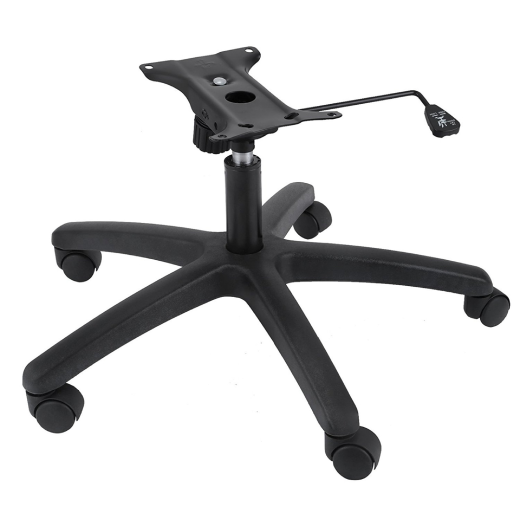
The base serves as the primary load-distribution structure, transferring forces from the seat and user through the gas lift and into the floor through the casters.
Why Do Chair Bases Fail?
Many chair failures occur not because users exceed weight limits, but because the base experiences years of repeated stress concentration.
Common failure points include:
Cracks around the gas lift mounting hub
Fractures near caster sockets
Metal fatigue in spoke structures
Deformation caused by poor casting quality
Material weakening from manufacturing defects
These issues become increasingly important in environments where chairs operate continuously, such as:
Call centers
Security monitoring stations
Healthcare facilities
Manufacturing control rooms
Gaming and esports facilities
In these applications, durability often becomes more important than initial purchase price.
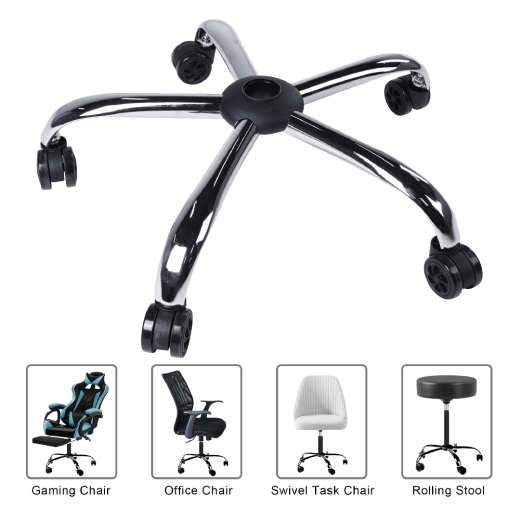
Which Materials Create the Best Reinforced Chair Base?
Is Aluminum Better Than Steel for a Reinforced Chair Base?
This is one of the most common questions among buyers.
The answer depends on the intended application.
Aluminum alloy chair bases are valued for:
Corrosion resistance
Lightweight construction
Modern appearance
High strength-to-weight ratio
Premium die-cast aluminum bases are widely used in executive and ergonomic seating because they combine aesthetics with structural performance.
Steel chair bases provide:
Exceptional load-bearing capability
Higher impact resistance
Greater rigidity under extreme loads
Cost effective heavy duty performance
For industrial applications, steel often remains the preferred solution.
Why Does Base Geometry Matter More Than Material Alone?
Many buyers focus solely on material selection, but structural geometry often determines actual performance.
A well-designed reinforced chair base incorporates:
Thickened support ribs
Optimized spoke angles
Reinforced center hubs
Balanced load distribution
Enhanced caster socket strength
Finite element analysis used by advanced manufacturers shows that stress concentrations typically occur near spoke transitions and central mounting areas.
As a result, modern engineering emphasizes structural reinforcement rather than simply increasing material thickness.
How Do Manufacturing Processes Affect Strength?
The manufacturing process directly impacts durability.
Common production methods include:
Die casting
Gravity casting
Forging
Precision welding
CNC finishing
Higher quality chair bases undergo additional inspection procedures such as:
Dimensional verification
Load testing
Fatigue testing
Surface defect inspection
These processes help reduce hidden weaknesses that can shorten product lifespan.
How Do Top Rated Industrial Chair Bases Perform in Real Working Environments?
What Makes an Industrial Chair Base Different?
An industrial chair base is designed for harsher operating conditions than conventional office furniture.
Industrial seating often encounters:
Continuous occupancy
Heavy users
Frequent movement
Exposure to dust and debris
Mechanical vibrations
Shift based operations
Under these conditions, structural reliability becomes essential.
Industrial chair bases typically feature:
Larger diameter designs
Reinforced spokes
Heavy-duty caster interfaces
Increased wall thickness
Enhanced center column support
Why Are 24/7 Workplaces Driving Demand for Heavy Duty Components?
Many organizations operate around the clock.
Examples include:
Emergency dispatch centers
Transportation control facilities
Manufacturing operations
Data centers
Security command rooms
In these environments, a chair may be used by multiple operators every day without extended downtime.
The cumulative stress generated over several years can exceed that of a typical office chair used in a standard 8-hour workday.
This trend has accelerated demand for premium heavy duty chair base solutions capable of surviving millions of movement cycles.
What Role Do Chair Components Play in Overall Durability?
A chair base cannot function independently.
Overall performance depends on the integration of multiple structural components.
Leading manufacturers increasingly adopt specialized production systems where different workshops focus on specific product categories.
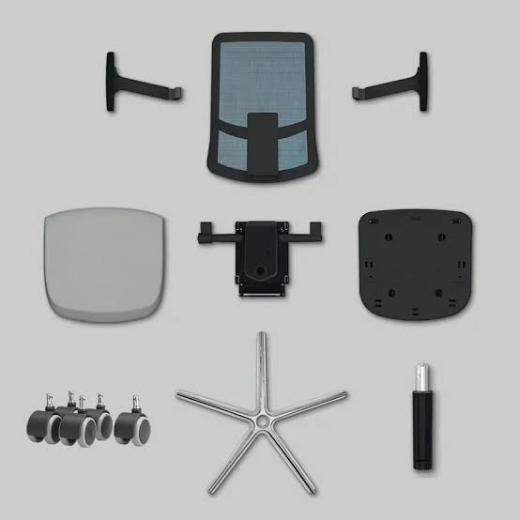
For example, FSGROWING operates specialized workshops that work together to produce various office chair components, including casters, chair bases, gas lift cylinders, mechanism plates, seat shells, backrests, headrests, armrests, and other structural elements. This integrated manufacturing approach helps ensure component compatibility, dimensional consistency, and long term performance throughout the chair system.
From an engineering perspective, the interaction between the base, gas lift, mechanism, and casters often determines real-world durability more than any single component alone.
How Can Buyers Identify the Best Heavy Duty Chair Base for Long Term Use?
What Specifications Should Procurement Teams Evaluate?
When sourcing chair components, buyers should look beyond advertised weight ratings.
Important evaluation criteria include:
Material composition
Base diameter
Wall thickness
Fatigue test results
Caster socket reinforcement
Surface treatment quality
Manufacturing consistency
Quality control procedures
Requesting technical drawings and test reports can reveal far more than marketing specifications.
How Important Is Fatigue Testing?
Fatigue testing is one of the strongest indicators of product quality.
A chair base may easily withstand a single heavy load yet fail after years of repeated use.
Comprehensive testing simulates:
Sitting cycles
Leaning movements
Rolling motions
Directional stress changes
High quality reinforced chair bases are designed to maintain structural integrity after extensive fatigue testing, reducing the risk of premature failure.
Should Businesses Standardize on Heavy Duty Bases?
Many organizations are moving toward standardized heavy-duty seating platforms.
Benefits include:
Reduced maintenance costs
Lower replacement frequency
Improved workplace safety
Simplified inventory management
Better accommodation for diverse users
Although initial costs may be slightly higher, the total lifecycle value is often significantly greater.
Frequently Asked Questions About Heavy Duty Chair Bases
How much weight can a heavy duty chair base support?
Most heavy-duty chair bases support between 350 lbs and 500 lbs, while specialized industrial models may exceed these limits depending on design and testing standards.
What is the strongest material for a reinforced chair base?
Both steel and high-grade aluminum alloys offer excellent strength. The best choice depends on the application, load requirements, and environmental conditions.
Can a chair base fail even if the user is below the weight limit?
Yes. Repeated stress, poor manufacturing quality, material fatigue, and improper design can all cause failure even when the chair is used within its rated capacity.
Is a larger chair base always better?
Not necessarily. Structural design, reinforcement strategy, and manufacturing quality often have a greater impact on durability than size alone.
What industries benefit most from industrial chair bases?
Industrial chair bases are commonly used in manufacturing facilities, healthcare environments, control rooms, security centers, laboratories, and other high-usage workplaces.
The growing demand for high capacity office seating reflects a broader shift toward durability-focused furniture design. Today's buyers are increasingly aware that chair performance depends on structural engineering rather than simple weight ratings.
Whether evaluating a chair base for executive seating, ergonomic applications, or demanding workplaces, understanding materials, manufacturing methods, fatigue resistance, and system compatibility is essential. https://www.fsgoin.com/
Common Chair Problems: How to Fix Office Chair Issues
Are Rubber Wheels Better Than Plastic for Office Chairs?
Latest Blog