
NEWS
What Wood to Use for a Chair Seat?
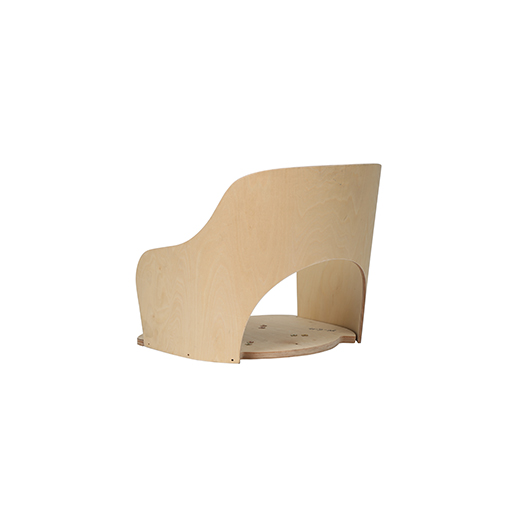
Choosing the right wood for a chair seat is more than just a matter of appearance. Whether you're a furniture designer, interior decorator, or a furniture manufacturing company sourcing materials, the type of wood used in a chair seat significantly influences its durability, comfort, aesthetics, and cost effectiveness. One of the most efficient and popular materials in modern chair design is chair plywood seat, known for its structural strength, adaptability, and sleek profile.
1. Understanding the Requirements for Chair Seat Wood Selection
Before diving into specific wood types, it's essential to clarify what properties make a wood type ideal for a chair seat:
Strength and durability: The chair seat must bear a person's weight repeatedly over time without warping or cracking.
Flexibility and resilience: Some applications require ergonomic shaping or slight flexibility to enhance comfort.
Workability: The wood must be easy to cut, mold, and finish to meet design specifications.
Surface finish quality: The grain and smoothness should accept stains, paints, or laminates well.
Moisture resistance: Especially for outdoor or semi-outdoor seating, resistance to humidity and moisture is key.
2. Solid Wood Options for Chair Seats: Pros and Cons
a. Oak Wood for Chair Seats
Oak is a traditional favorite for premium furniture due to its strength and natural grain. It offers good weight bearing capacity and is resistant to fungal attacks.
Pros: Durable, long lifespan, attractive grain.
Cons: Heavy, expensive, less flexible.
b. Beech Wood Seat Panels
Beech is another popular hardwood used in chair frames and seats. It’s slightly more flexible than oak and ideal for curved shapes.
Pros: Easy to steam-bend, uniform texture.
Cons: Moderate water resistance, prone to shrinking.
c. Walnut Wood for Ergonomic Chair Seats
Walnut is prized for its rich color and fine grain, often used in high end designer seating.
Pros: Excellent finish quality, stable.
Cons: Costly, less available.
While solid woods offer natural beauty, they often fall short when it comes to affordability and efficiency in large scale production. This is where chair plywood seat options shine.
3. Why Plywood Is a Smart Choice for Chair Seats?
a. What Is Chair Ply and How Is It Made?
Chair ply, or chair plywood, is a type of engineered wood made by gluing together thin layers (veneers) of hardwood. The grain of each layer is rotated, usually by 90 degrees, to enhance stability and reduce warping.
This best plywood for chair seats structure makes chair plywood seats exceptionally strong for their thickness and weight. It also allows manufacturers to create ergonomic, molded shapes that solid wood can’t easily replicate.
b. Types of Plywood Used in Chair Manufacturing
Birch plywood: Known for its strength and fine grain, ideal for laminated chairs.
Poplar plywood: Lightweight and cost effective, suitable for budget models.
Flexible plywood: Also called bendy plywood, often used for curved chair seats.
Marine plywood: Used in semi outdoor seating due to moisture resistance.
c. Advantages of Chair Plywood Seat Over Solid Wood
| Feature | Solid Wood | Chair Plywood Seat |
| Cost | High | Moderate to low |
| Weight | Heavy | Lightweight |
| Workability | Moderate | Excellent |
| Shape Flexibility | Limited | Highly moldable |
| Sustainability | Depends on source | Generally more eco friendly |
4. How to Choose the Right Chair Plywood Seat for Your Project?
a. Thickness and Layering
For general use chairs, 12–18mm plywood thickness is common. For more heavy-duty applications, up to 25mm may be used. The number of layers also affects strength—more layers typically mean better performance.
b. Core Type and Veneer Quality
The core of the plywood affects both strength and aesthetics:
Poplar core: Lightweight but lower strength.
Birch core: Higher strength and durability.
Combi core: A balance between strength and weight.
The outer veneer should have minimal knots and even coloration for optimal finishing.
c. Surface Finishing Options
Plywood is versatile in finish. Common options include:
Laminated surface for durability and cleaning ease.
Stained veneer for a natural wood look.
Painted or UV lacquered for modern aesthetics.
All of these finishes work well with chair ply and enhance the product’s usability and visual appeal.
5. Applications of Chair Ply in Modern Furniture Design
a. Bent Plywood Chair Designs
Modern designers often prefer bent plywood due to its sculptural flexibility. Molded plywood seats can be formed into complex ergonomic shapes that offer superior comfort.
b. Stackable Seating for Commercial Use
In cafeterias, libraries, and offices, stackable plywood chairs offer a blend of function and form. They are light, durable, and easy to manufacture in bulk.
6. Chair Plywood Seat Maintenance and Longevity Tips
Plywood chair seats are durable, but proper maintenance extends their life:
Avoid prolonged exposure to moisture, especially if the surface is unfinished.
Clean with a damp cloth, avoiding harsh chemicals that may degrade the finish.
Apply protective pads to prevent scratches or delamination.
Inspect joints and surfaces periodically, especially in commercial settings.
7. Sustainable Sourcing and Environmental Impact of Chair Ply
Many manufacturers today offer FSC certified plywood for ethical sourcing. Chair ply uses less timber than solid wood seats, making it a more sustainable option for eco conscious buyers and brands.
Some advanced processes also involve:
Low VOC glues
Recycled wood cores
Thermo forming technologies that reduce waste
Using chair plywood seat components not only meets aesthetic and structural needs but also aligns with responsible manufacturing practices.
8. Trends in Chair Seat Materials: What's Next for Chair Ply?
Innovations in composite ply materials, acoustic enhanced ply, and 3D press forming techniques are pushing the boundaries of what’s possible with chair plywood seats.
Emerging trends include:
Custom veneered chair ply for high end applications
CNC machined plywood seats for precision and repeatability
Hybrid materials, blending ply with metals or plastic for enhanced properties
These advancements continue to make chair ply a reliable, innovative solution for today’s fast paced furniture markets.
In summary, selecting the right material for a chair seat depends on balancing aesthetics, performance, cost, and environmental considerations. While solid woods like oak and walnut offer unmatched beauty and strength, chair plywood seat solutions offer significant advantages in terms of flexibility, sustainability, and cost efficiency.
For manufacturers, architects, and designers seeking high quality, versatile seat materials, best plywood for chair seats chair ply provides a smart solution backed by modern production methods and design potential.
FSGROWING is dedicated to providing high quality chair plywood seat at competitive factory direct prices. Our best plywood for chair seats is thoughtfully designed to blend comfort with modern aesthetics, making them perfect for contemporary offices and interiors. Each chair ply is precisely engineered to deliver long lasting durability, ergonomic support, and a clean, stylish look. Whether you're outfitting a commercial workspace or sourcing bulk seating components, we offer dependable and cost effective solutions tailored to your requirements.
Can Chairs Be Made From Plywood?
How Thick Should Plywood Be For A Chair Seat?
Latest Blog