
NEWS
Data is empty
Wholesale Chair Parts Market: What Global Buyers Care About in 2026
The global office seating industry is rapidly evolving. Hybrid workspaces, ergonomic awareness, sustainability goals, and refurbishment demand are reshaping the wholesale chair parts market. Buyers are no longer searching only for low-cost components. Instead, they are focused on compatibility, durability, certification, logistics stability, and long term supply reliability.
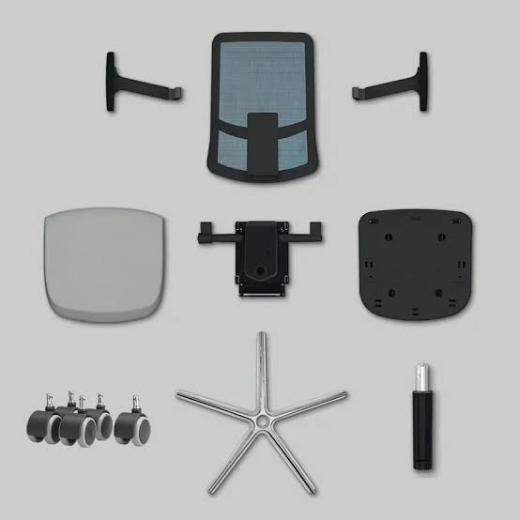
The office chair industry has also become more modular. Rather than replacing entire chairs, businesses now replace individual components such as casters, gas lift cylinders, mechanism plates, armrests, and backrests. This shift has accelerated demand for professional component suppliers with deeper engineering and manufacturing capabilities.
Why Is the Wholesale Chair Parts Market Growing?
The Rise of Chair Refurbishment and Replacement Demand
One of the biggest changes in the office furniture industry is the shift toward repairability. Businesses increasingly refurbish office chairs instead of replacing them entirely.
Several factors are driving this trend:
Rising furniture costs
Sustainability goals
Growth of refurbished office furniture markets
Longer chair lifecycle expectations
Demand for ergonomic upgrades
High quality ergonomic chairs can remain structurally usable for more than a decade, but key components wear out much sooner. Casters, gas lifts, mechanism systems, and arm pads are among the most frequently replaced parts.
This explains why global searches for replacement office chair components and bulk chair parts continue to grow.
Why Ergonomic Chairs Increased Demand for Better Components
Modern buyers understand ergonomics far better than they did years ago. They now pay attention to:
Lumbar support systems
Adjustable armrests
Synchronized tilt mechanisms
Seat depth adjustment
Headrest flexibility
As a result, component quality has become critical.
A poorly designed mechanism plate or low grade gas lift cylinder can negatively affect comfort, safety, and chair lifespan. Buyers increasingly seek:
Class 3 and Class 4 gas lift cylinders
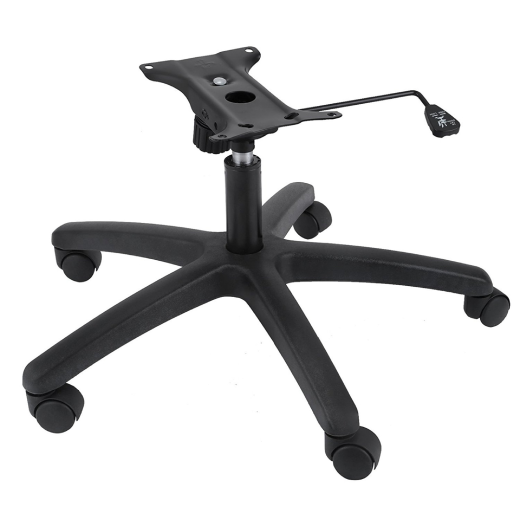
Reinforced chair bases
Heavy duty casters
Multi functional tilt systems
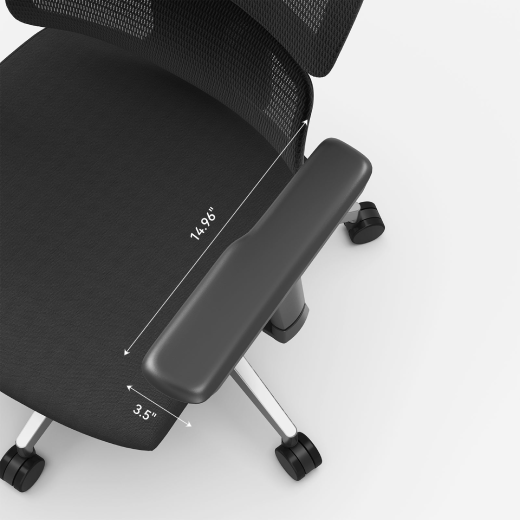
Adjustable armrest structures
The wholesale chair parts market is therefore becoming more engineering focused rather than purely price driven.
Why Integrated Manufacturing Matters
Many distributors previously sourced chair components from multiple independent factories. This often created compatibility problems and inconsistent quality.
Today, buyers increasingly prefer suppliers with coordinated manufacturing systems.
For example, FSGROWING operates specialized workshops that work together to produce different office chair components, including casters, chair bases, gas lift cylinders, mechanism plates, seat shells, backrests, headrests, armrests, and more. This integrated approach helps improve compatibility consistency while simplifying large scale procurement.
The market increasingly favors suppliers that understand complete chair system coordination rather than isolated component production.

What Problems Do Buyers Face When Purchasing Wholesale Chair Parts?
Why Compatibility Is the Biggest Industry Challenge
One of the most common problems in the wholesale chair parts industry is compatibility failure.
Many buyers assume office chair components are universally interchangeable, but dimensional differences between manufacturers are often significant.
Common compatibility problems include:
Gas Lift Cylinder Issues
Incorrect diameter
Different activation systems
Improper stroke length
Cone taper mismatch
Chair Base Problems
Weak structural reinforcement
Uneven load distribution
Incorrect hub dimensions
Mechanism Plate Failures
Hole spacing mismatch
Poor welding durability
Tilt instability
Caster Issues
Incorrect stem size
Poor rolling performance
Low durability on commercial flooring
These problems create expensive warranty claims and high return rates for distributors.
As a result, experienced chair parts distributors increasingly require strict dimensional verification and product testing before bulk purchasing.
Why Durability Matters More Than Low Pricing
Buyers are becoming more focused on lifecycle cost rather than initial purchase price.
Low quality components may reduce procurement costs temporarily, but they often create:
Frequent replacements
Customer complaints
Maintenance costs
Brand reputation damage
This is especially important in:
Co-working spaces
Educational facilities
Government offices
Healthcare environments
Large corporate workplaces
Commercial seating experiences constant high frequency use, making durability essential.
Professional buyers now ask technical questions such as:
What is the load capacity?
Has the product passed fatigue testing?
Is the nylon glass fiber reinforced?
Does the mechanism meet BIFMA standards?
The industry has become far more technical than many suppliers expect.
Why Logistics Became a Major Purchasing Factor
Global supply chain instability changed buyer priorities.
Distributors increasingly focus on:
Stable lead times
Packaging quality
Freight optimization
Inventory continuity
MOQ flexibility
Office chair components present unique logistics challenges:
Chair bases occupy large shipping volume
Mechanism plates add container weight
Casters require protective packaging
Armrests are prone to cosmetic damage
This is why professional suppliers increasingly invest in:
Export grade packaging
Modular shipping systems
Warehouse coordination
Container optimization
Which Products Dominate the Bulk Chair Parts Market?
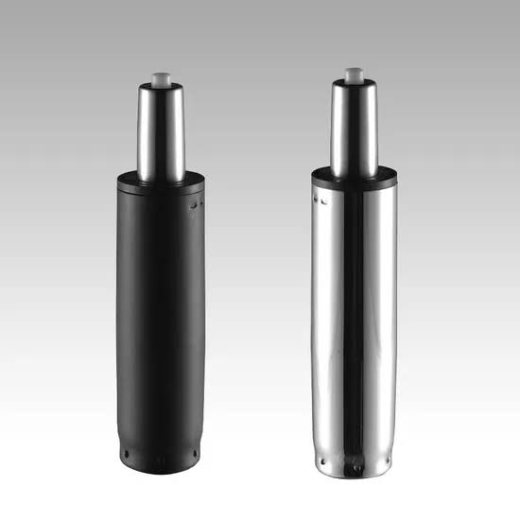
Why Gas Lift Cylinders Are Critical
Gas lift cylinders are among the most important office chair components because they directly affect:
Height adjustment
User safety
Ergonomic positioning
Weight-bearing performance
Buyers increasingly prefer:
SGS tested cylinders
Anti explosion structures
Stable pressure systems
Long cycle durability
A poor quality cylinder can damage an entire chair brand’s reputation.
Why Mechanism Plates Define Chair Performance
Modern ergonomic chairs rely heavily on advanced mechanism systems.
The market increasingly favors:
Synchronized tilt mechanisms
Multi lock systems
Seat sliding functions
Weight sensitive tilt tension
Poorly engineered mechanisms often cause:
Noise
Structural cracking
Tilt imbalance
Spring fatigue
Because of this, buyers increasingly seek suppliers with:
Precision stamping capability
Robotic welding systems
Fatigue testing equipment
The mechanism system has become the engineering core of ergonomic office seating.
Why Casters Are No Longer Simple Accessories
Casters were once treated as low value commodity products. Today, buyers carefully evaluate:
Noise reduction
Floor compatibility
Wheel hardness
Rolling smoothness
Load capacity
Demand continues growing for:
PU silent casters
Heavy duty commercial casters
Rollerblade-style casters
Anti static casters
How Can Chair Parts Distributors Stay Competitive?
Why Technical Knowledge Is Essential
The modern chair parts distributor is no longer simply a trading company.
Successful distributors increasingly act as:
Technical consultants
Ergonomic advisors
Compatibility specialists
Supply chain coordinators
Buyers expect distributors to understand:
Material performance
Load ratings
Certification requirements
Mechanism engineering
Product compatibility
Technical expertise is becoming a major competitive advantage.
Why Sustainability Is Changing Procurement Trends
Environmental concerns are influencing global office furniture purchasing decisions.
Many buyers now ask:
Are materials recyclable?
Can chairs be repaired instead of discarded?
Are components RoHS compliant?
Is the product designed for long-term reuse?
This trend strongly benefits the replacement component industry because repairability supports sustainable procurement strategies.
Instead of replacing complete chairs, companies increasingly purchase:
Replacement casters
Armrest pads
Gas lift cylinders
Mechanism upgrades
Seat shells
Why Aftermarket Demand Will Keep Expanding
The refurbished office furniture market has become a major driver of component demand.
Refurbishment companies regularly purchase:
Replacement mechanisms
OEM-compatible components
Chair bases
Armrest systems
This creates strong opportunities for:
Chair parts distributors
OEM component manufacturers
Regional warehouse suppliers
Repair focused supply chains
The aftermarket segment may eventually become larger than the original OEM replacement market itself.
FAQ: Common Industry Questions About Wholesale Chair Parts
What should buyers verify before ordering wholesale chair parts?
Buyers should carefully evaluate:
Compatibility dimensions
Certification reports
Material specifications
Fatigue testing results
Packaging quality
Lead time stability
Warranty policies
Ignoring compatibility verification is one of the most expensive procurement mistakes.
Are office chair gas lift cylinders universal?
No. Differences in:
Diameter
Activation style
Stroke length
Cone taper dimensions
can create installation failures even when cylinders appear visually similar.
Why do many chair components fail early?
Common causes include:
Low grade steel
Weak nylon materials
Poor welding quality
Inadequate fatigue testing
Inferior bearings
Many low cost products prioritize pricing over long-term durability.
What certifications matter most?
Commercial buyers commonly request:
BIFMA standards
SGS testing
ISO manufacturing systems
RoHS compliance
Certification documentation is increasingly required for international procurement.
Why are integrated suppliers becoming more popular?
Integrated suppliers help reduce:
Compatibility issues
Supply chain fragmentation
Quality inconsistency
Warranty disputes
This is especially important for large international office furniture projects.
Is the future of the wholesale chair parts industry strong?
Yes. The market continues growing due to:
Ergonomic office upgrades
Hybrid workplace expansion
Sustainability initiatives
Furniture refurbishment demand
Long lifecycle procurement strategies
The wholesale chair parts market is evolving from a low cost sourcing industry into a highly technical global supply sector driven by engineering, durability, and compatibility expertise.
How Furniture Parts Suppliers Reduce Shipping Damage?
Hydraulic vs Pneumatic Systems: Which Technology Performs Better in Modern Chair Lift Mechanisms?
Latest Blog