
NEWS
Why Did My Office Chair Stop Leaning Back?
Whether you're using a sleek office chair mesh high back design for breathability or a luxurious executive office chair high back for support and aesthetics, one of the key features that defines comfort and productivity is the chair's ability to lean back. But what happens when that recline feature stops working? Suddenly, the ergonomic benefits you've relied on are gone, and your back is stiff at the end of every workday.
1. Understanding Office Chair Recline Mechanisms
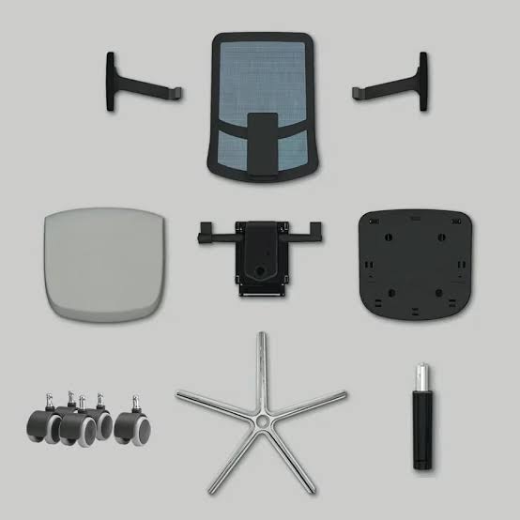
The ability of your chair to recline lies in a few core components:
Tilt mechanism (controls the back angle)
Tension knob (adjusts the force needed to lean)
Tilt lock lever (locks or unlocks recline)
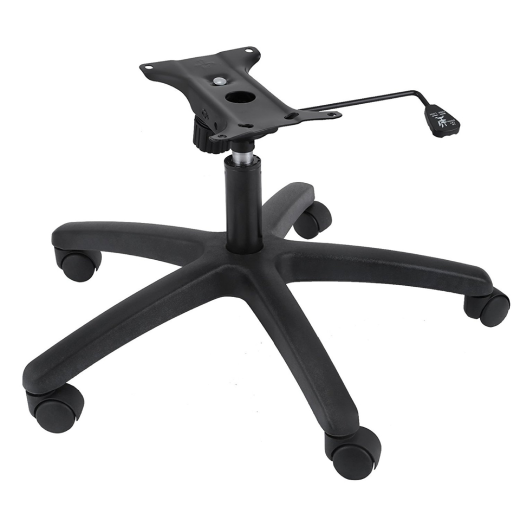
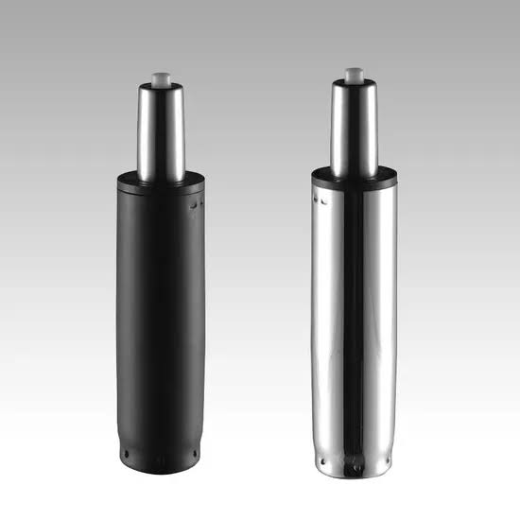
Gas lift cylinder (supports motion and seat height)
These components work together to provide dynamic movement and support. In executive office chair high back models, the mechanisms are often more complex and allow multi-point tilt locks, while office chair mesh high back chairs typically prioritize simplicity and airflow.
If one part malfunctions or wears out, it can disrupt the entire reclining function.
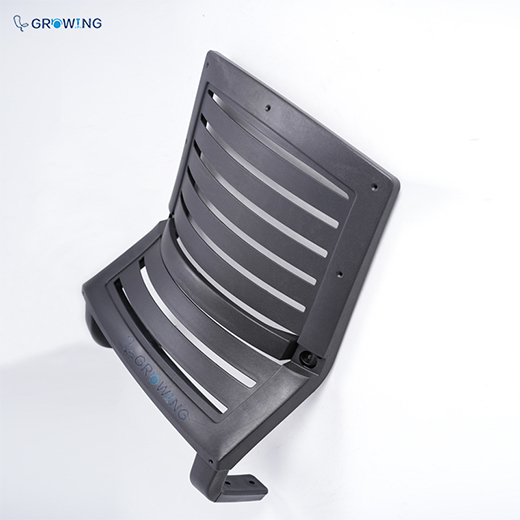
2. Why Did My Office Chair Stop Leaning Back? Common Causes Explained
Tilt Lock Is Engaged
The most common reason your office chair back no longer leans is that the tilt lock is engaged. Many chairs include this feature to hold the chair upright, which is helpful for typing or focused tasks.
Fix:
Locate the tilt lock lever underneath the seat. Try toggling it (pulling out or pushing in) while gently leaning back. Some mechanisms only release when there's backward pressure applied.
Tension Knob Set Too Tight
When the tension is too tight, your body weight might not be enough to activate the recline mechanism. This is especially common if someone heavier adjusted the chair before you.
Fix:
Turn the tension knob (usually located beneath the seat, toward the front) counterclockwise several times to loosen it. Then test the recline again.
Internal Mechanism Failure or Wear
If the tilt mechanism itself is damaged—especially the internal spring or gear system—it may lock in place or stop responding entirely.
Symptoms include:
Creaking or popping noises
Sudden stiffness
Recline working inconsistently
Fix:
In many cases, the tilt mechanism needs to be replaced. It's more cost-effective to change just the mechanism than to replace the entire chair.
3. Special Cases: Executive and Mesh High Back Office Chairs
Executive Office Chair High Back Models
These chairs typically include enhanced lumbar support, premium foam, and complex multi-lock tilt mechanisms. These can jam more easily if misused or overloaded.
Tips for Maintenance:
Regularly inspect and clean under the seat.
Lubricate tilt gears with silicone spray.
Avoid leaning back too forcefully to prevent gear misalignment.
Office Chair Mesh High Back Models
These models are designed for ventilation and light ergonomic support, often with a minimalist tilt mechanism.
Common Issues:
Frame warping from excessive backward pressure
Tilt failure due to weakened tension springs
Cheap plastic joints loosening over time
In such cases, the recline issue can be structural rather than mechanical.
4. How to Prevent Office Chair from Leaning Back Unintentionally
Some users ask the opposite question—how to prevent office chair from leaning back when they want a locked upright posture. Here's how:
Use the tilt lock function properly. Don't rely solely on the tension knob to restrict movement.
Keep the chair on a level surface. An uneven floor can cause unintentional rocking.
Inspect for damaged wheels or uneven legs. These can disrupt the balance and make the chair feel unstable.
5. Advanced Troubleshooting for Office Chair Back Issues
If the common fixes don't work, try the following diagnostic steps:
Step 1: Flip the Chair Over
Remove the base and inspect the tilt plate and all connecting hardware. Look for:
Broken welds
Cracked plastic or bent steel plates
Loose bolts or missing washers
Step 2: Examine the Tilt Mechanism Model
Many chairs use standardized tilt components that are replaceable. Look for a serial number or part number stamped on the mechanism.
Pro Tip: If you manufacture or source chair parts, partnering with component specialists in tilt mechanisms (e.g., plywood base integration or seat bracket suppliers) ensures greater durability and part compatibility.
Step 3: Check the Seat Pan Connection
Especially in bending wood seat bases, misalignment between the tilt bracket and seat pan can cause jamming or restrict motion.
Our company, which specializes in formed plywood chair backs and seats, ensures precise fitting and robust structural integration, reducing tilt misalignment risks.
6. How to Extend the Life of Your Office Chair's Recline Function
Preventive maintenance is essential to keeping your office chair in full working condition for years:
Clean and lubricate tilt components every 6 months.
Avoid exceeding weight limits, even temporarily.
Tighten all visible screws and bolts.
Store the chair in a dry, stable environment.
For office chair mesh high back styles, be mindful of humidity and material fatigue. For executive office chair high back chairs, condition leather or faux leather covers and avoid sun exposure.
7. Should You Repair or Replace?
If your chair is more than 5 years old or shows multiple signs of failure (e.g., broken recline, sagging cushion, unstable base), consider replacement. However, if only the tilt mechanism is failing, replacement of that specific part may be enough.
When evaluating new purchases:
Choose chairs with reinforced tilt brackets
Look for long life gas lifts and tension systems
Prefer high quality formed plywood seats for durability
Your office chair back is more than just a backrest—it's your primary ergonomic defense during long workdays. Understanding why your office chair stopped leaning back empowers you to fix the issue efficiently, regain comfort, and extend the life of your seating.
By identifying the root cause—whether it's tilt lock engagement, tension imbalance, or mechanical wear—you can apply the right solution. For professionals seeking quality components or ergonomic upgrades, investing in well-engineered bases, tilt mechanisms, and plywood seat structures pays off in comfort and reliability.
FSGROWING specializes in delivering premium quality office chair back at competitive, factory direct pricing. Our executive office chair high back is carefully crafted to combine ergonomic comfort with sleek, modern design—ideal for contemporary offices and interior spaces. Each office chair mesh high back is precisely engineered for lasting durability and reliable support, while maintaining a clean and stylish appearance. Whether you're furnishing a commercial environment or sourcing bulk seating components, we provide dependable, cost effective solutions customized to meet your project needs.
Can Sitting In An Office Chair Cause Back Pain?
What Kind of Plywood Do You Use for Seats?
Latest Blog